Select Language:
20 Fascinating Facts About the Human Body in 2025
1. The Human Smile Has Its Secrets: Teeth Count
Humans generally have 32 teeth, including wisdom teeth, which can sometimes be removed or develop unpredictably. These teeth are essential for digestion and speech.
2. Building Blocks Inside Us: Bones
An adult human body contains approximately 206 bones. These bones give our body structure, protect internal organs, and enable movement when connected by joints.
3. Kidneys: The Body’s Natural Filters
Our kidneys filter about 50 gallons of blood daily, removing waste products and excess fluids to produce urine. They also play a crucial role in balancing fluids and electrolytes.
4. The Skin: Our Largest External Organ
Covering about 22 square feet, the skin acts as a barrier to infections, regulates temperature, and allows us to feel sensations like touch and pain.
5. Liver: The Largest Internal Organ
Weighing around 3 pounds, the liver performs over 500 vital functions, including detoxification, bile production, and storage of vitamins and minerals.
6. Femur: The Strongest Bone
The human thigh bone, or femur, is the strongest bone in the body, capable of supporting entire body weight and absorbing significant impact during physical activities.
7. Ear’s Tiny Wonder: The Stapes
The smallest bone in our body, the stapes, resides in the middle ear. It helps facilitate hearing by transmitting sound vibrations to the inner ear.
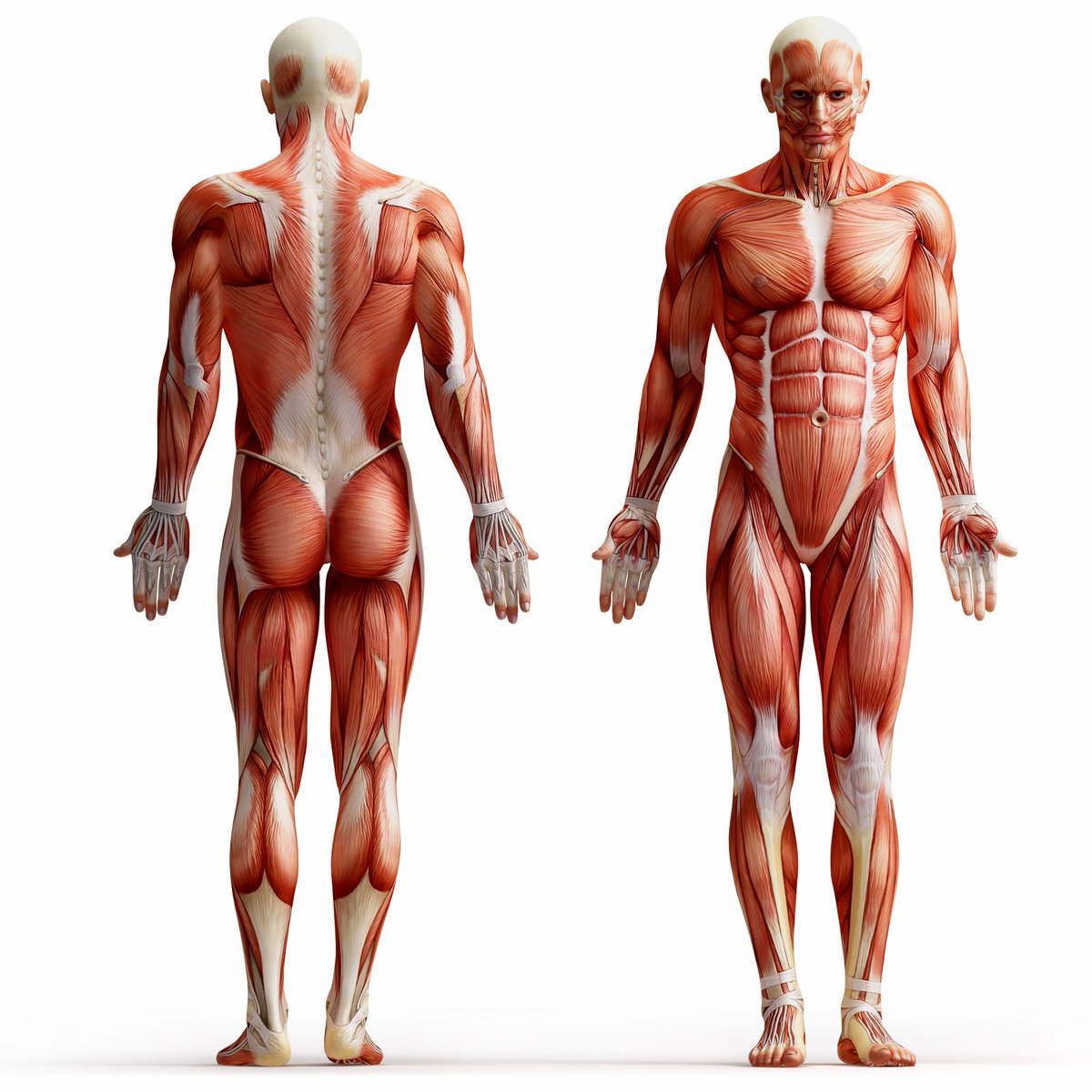
8. Over 600 Muscles Power Us
From blinking to running, humans have over 600 muscles working in harmony — with the masseter muscle in the jaw being the strongest relative to size.
9. Blood: Life Force of the Body
An adult’s blood volume totals about 5 to 6 liters, circulating through the body every 60 seconds, supplying oxygen, nutrients, and removing waste.
10. Brain Power in a Nutshell
The average brain weighs approximately 1.4 kg and contains about 86 billion neurons, enabling everything from complex thoughts to rapid reflexes, with signals traveling up to 430 km/h.
11. Nervous System: The Body’s Wiring
Humans have 12 pairs of cranial nerves and 31 pairs of spinal nerves, acting as communication cables between the brain and the rest of the body, facilitating movement and sensation.
12. Largest Nerve: The Sciatic
Stretching from the lower back down to the legs, the sciatic nerve can measure up to 3 feet long and is vital for leg movement and sensation.
13. Spleen: The Red Blood Cell Recycle Center
The spleen serves as a graveyard for red blood cells, breaking down old or damaged cells and recycling their components.
14. Enamel: The Hardest Substance
Our teeth’s enamel withstands years of biting and chewing. It’s the hardest substance in the human body, providing durability and protection from decay.
15. The Rib Cage: Protecting Vital Organs
Humans typically have 12 pairs of ribs, totaling 24, which shield the heart and lungs from external trauma.
16. Dual Kidneys & Lungs
Every individual is born with two kidneys and two lungs, essential for filtering blood and oxygenating the body, respectively.
17. The Liver & Pineal Gland
While the liver is the body’s largest gland, weighing around 3 pounds and performing countless functions, the tiny pineal gland regulates sleep patterns and is often called the “Third Eye.”
18. The Master Hormone Maker: The Pituitary Gland
Located at the brain’s base, it controls vital functions by secreting hormones that regulate growth, metabolism, and reproduction.
19. Chromosomes that Define Us
Humans possess 46 chromosomes, arranged in 23 pairs, containing genetic instructions that make each person unique but remarkably similar at the DNA level, with 99.9% similarity among humans.
20. The Body’s Daily Marvels
Every day, the human body performs around 20,000 breaths, heals tissues at astonishing speeds, and processes enough blood to fill a swimming pool over a lifetime. Our body’s capacity to regenerate tissues like the epithelium is among the fastest in the body, and sleep continues to be an essential, mysterious process with an average of 3 to 6 dreams per night.
Incredibly, the human body is a marvel of biological engineering, with a complexity that scientists are still unraveling. As of 2025, we continue to discover new facets of our body’s amazing design, fueling advancements in medicine, technology, and understanding human health.
 ChatGPT
 Perplexity
 Gemini AI
 Grok AI