Select Language:
2025’s Global Leaders in Resource Production: A Country-by-Country Breakdown
Russia Dominates in Natural Gas and Diamonds
Russia continues to hold its position as the world’s largest producer of natural gas, a vital energy resource fueling economies across Europe and Asia. Its vast Siberian reserves ensure Russia’s prominence on the energy map. Additionally, Russia maintains its lead in diamond production, supplying a significant portion of the global market with high-quality gems. With the ongoing demand for natural luxury and industrial diamonds, Russia’s mining sector remains robust and strategically important.
United States Surge: Crude Oil, Corn, and Meat Production
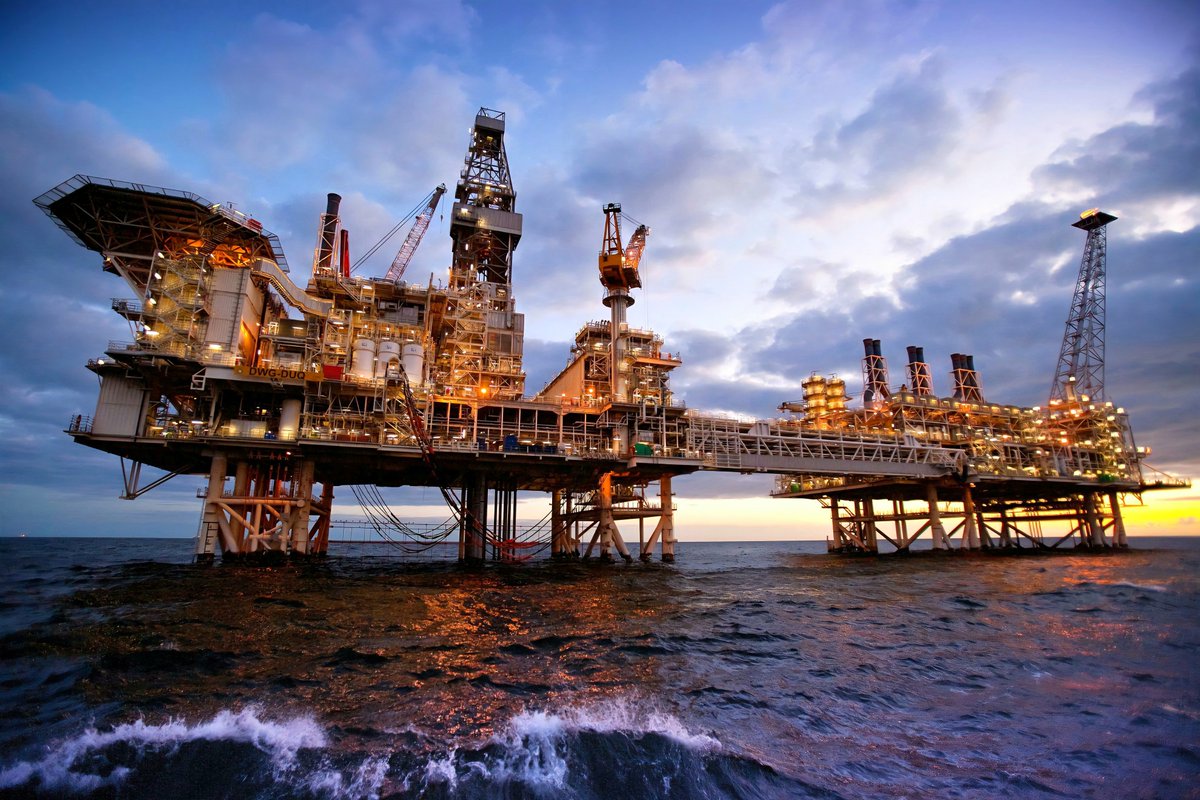
The United States solidifies its standing as the top producer of crude oil, leveraging advanced extraction techniques like hydraulic fracturing and deep-sea drilling. This leadership ensures America’s energy independence, with implications on global oil prices and geopolitics.
In agriculture, the U.S. leads in corn (maize) production, vital for both food and biofuel industries. The country’s vast Midwest plains and technological farming methods boost yields year after year. Additionally, the U.S. is the top producer of poultry meat and beef, meeting both domestic demand and exporting significant quantities worldwide. This dual dominance in energy and agriculture underscores the country’s central role in global markets.
China: The Multifaceted Powerhouse
China continues to dominate multiple resource sectors, underscoring its status as a mixed-resource superpower. It remains the world’s largest producer of coal, powering millions of homes and industries. Meanwhile, China leads globally in gold and copper production, essential for its burgeoning technology and infrastructure sectors.
In agriculture, China is the top producer of rice, wheat, and cotton, fundamental staples and raw materials for textiles. The nation also boasts the highest output of tea and potatoes, reinforcing its dominance in global food supply chains. Notably, China’s massive fish catch sustains millions of livelihoods, and its cotton production supports its extensive textile industry.
Latin American Resources: Chile, Brazil, and Ivory Coast
Chile’s unparalleled copper production cements its vital role in the global electronics and construction sectors. As the leading copper exporter, Chile’s mining industry is a critical component of its economy.
Brazil continues to be a powerhouse in agricultural exports, leading in sugarcane, coffee, and banana production. The nation’s expansive plantations and favorable climate drive this output, making Brazil a key player in global food supplies and commodity markets.
Ivory Coast shines as the top cocoa producer, supplying the world’s sweet tooth with high-quality chocolate ingredients. This sector is vital for the country’s economy, supporting millions of smallholder farmers engaged in cocoa cultivation.
Australia and Kazakhstan: Mining and Energy Powerhouses
Australia maintains its leadership in iron ore production, supporting global steel manufacturing and infrastructure projects. The country’s rich mineral deposits and advanced mining technology make it a leading supplier to Asian markets and beyond.
Kazakhstan has cemented itself as a major uranium producer, fueling nuclear power plants worldwide. Its stable political climate and vast mineral reserves ensure continued growth in uranium output, supporting clean energy transitions globally.
Asia’s Agricultural and Resource Giants: China and India
China is instrumental in global agriculture, leading in rice, wheat, cotton, potatoes, and tea production. Its vast population drives immense demand and supply chain efficiencies. The country’s large-scale fish catch sustains both domestic consumption and seafood exports.
India, known for its expansive dairy industry, leads worldwide in milk production, a staple for millions. Additionally, India is the top producer of bananas, supporting its large agrarian economy and export markets.
Southeast Asia and Africa: Rubber, Wool, and Palm Oil
Thailand remains the world’s largest producer of natural rubber, essential for tire manufacturing and other industries.
Australia’s wool industry persists as the top global supplier, feeding into the fashion and textile markets worldwide.
Indonesia leads in palm oil production, a key ingredient in countless food products, cosmetics, and biofuels. Its extensive plantations and favorable climate drive this critical sector.
Summary
In 2025, the global resource landscape is shaped by a handful of leading countries, each specializing in vital commodities spanning energy, metals, and agricultural products. Their production not only influences local economies but also impacts international markets, geopolitics, and technological advancements. As demand for resources intensifies amid technological progress and population growth, these nations’ roles are more essential than ever.
Note: Data accurate as of 2025, reflecting the latest available insights on resource production worldwide.
 ChatGPT
 Perplexity
 Gemini AI
 Grok AI