Select Language:
Jericho, Palestine — The Oldest Known City Still Living
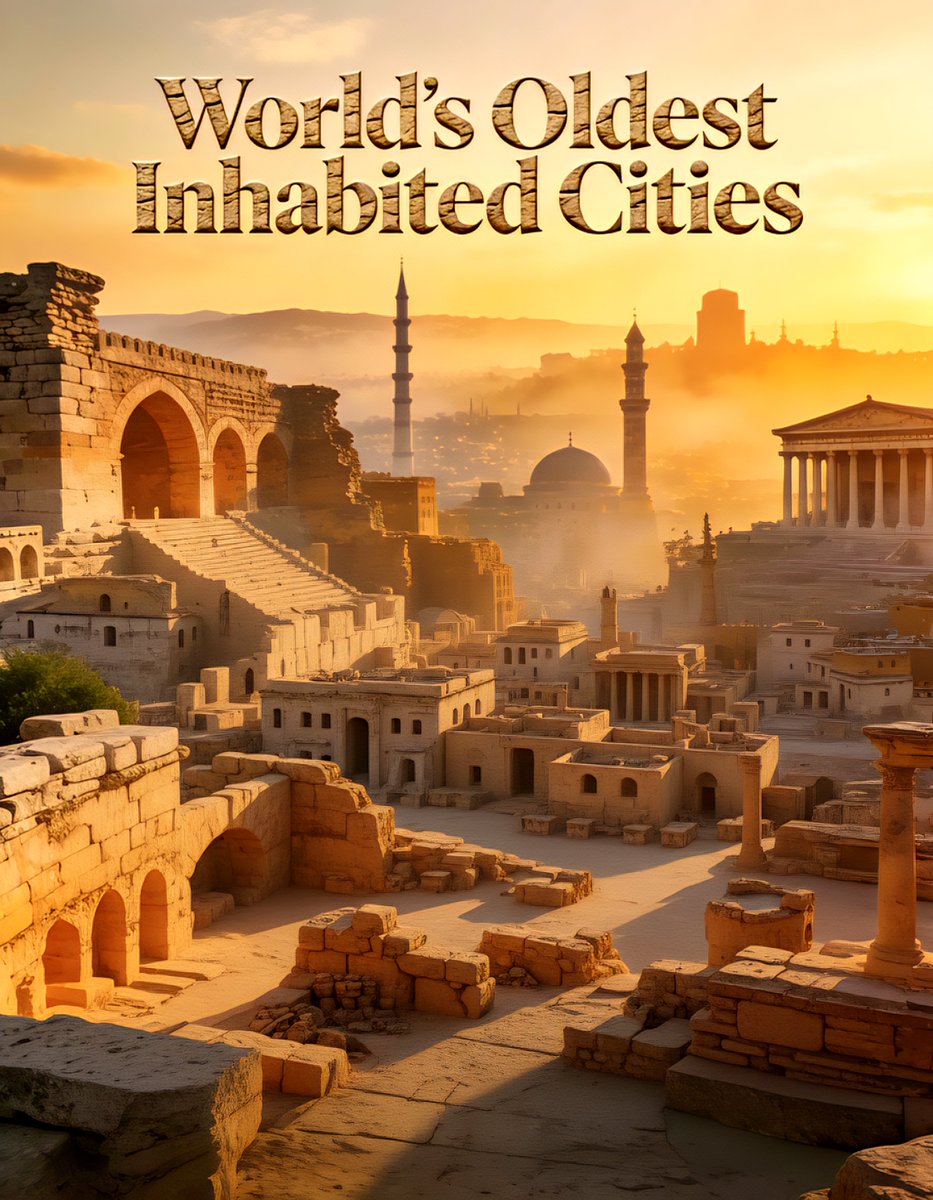
Recognized as one of the earliest inhabited urban centers, Jericho in the West Bank has roots stretching back approximately 11,000 years. Archaeological excavations reveal layered remnants of civilizations dating from the Epipaleolithic period through to modern times. Its strategic location near the Jordan River contributed to its longevity, serving as a vital trading and agricultural hub across millennia. Despite the many geopolitical challenges, Jericho remains a living testament to human resilience and historical continuity.
Byblos, Lebanon — A Mediterranean Legacy
Dating back roughly 7,000 years, Byblos is often considered the birthplace of the alphabet and one of the most historically significant port cities in the ancient Mediterranean. Its rich archaeological layers include remnants from the Neolithic period up through Phoenician, Greek, Roman, and modern eras. Byblos’s strategic position facilitated extensive trade networks, influencing the development of early writing systems and maritime commerce. The city continues to attract tourists and scholars alike, eager to explore its enduring heritage.
Argos, Greece — The Cradle of Greek Civilization
With origins approximately 7,000 years ago, Argos is among the oldest continuously inhabited cities in Greece. It served as a significant cultural center during the Bronze Age and played a vital role throughout Greek history. Ancient ruins, including temples and fortifications, showcase its ancient grandeur. Today, Argos maintains a vibrant community that honors its long-standing history, making it a fascinating destination for history enthusiasts.
Damascus, Syria — A Crossroads of Civilizations
Cultivated for over 6,300 years, Damascus is often regarded as one of the oldest continuously inhabited cities in the world. Known for its rich cultural tapestry, it has been a vital center of trade, religion, and politics in the Middle East. The city’s historical sites, including the Umayyad Mosque and ancient marketplaces, attract millions of visitors annually. Its enduring presence highlights its importance as a nexus of history and culture.
Aleppo, Syria — Ancient Trading Hub
Shared a similar timeline with Damascus, Aleppo boasts a history of approximately 6,300 years. Historically, it ranked as a key center along the Silk Road, facilitating trade between Asia, Africa, and Europe. Modern Aleppo reflects a mix of ancient and contemporary influences, with a resilient population preserving its long-standing traditions amidst modern challenges.
Susa, Iran — An Ancient Elusive City
Susa, established over 6,200 years ago, was a prominent city in ancient Elam and later the Persian Empire. Its archaeological remains include impressive palaces, ziggurats, and artifacts revealing a sophisticated civilization. Despite centuries of upheaval, Susa’s historical significance remains a key part of Iran’s cultural landscape.
Plovdiv, Bulgaria — Europe’s Ancient Jewel
Approximately 6,000 years old, Plovdiv is one of Europe’s oldest continuously inhabited cities. Its ancient ruins span Thracian, Roman, Byzantine, and Ottoman periods. The city’s vibrant culture is reflected in archaeological sites, an impressive old town, and a lively arts scene, making it a UNESCO World Heritage site.
Sidon, Lebanon — A Phoenician Coastal City
Sidon has roots dating back nearly 6,000 years, famed for its ancient Phoenician harbor and trade. The city boasts impressive ruins, including ancient forts and markets, carved from civilizations that thrived over millennia. Sidon’s historical continuity reflects Lebanon’s rich archaeological tapestry.
Faiyum, Egypt — An Oasis of Ancient Life
Faiyum, established about 6,000 years ago, is known for its lush oasis, ancient irrigation systems, and early farming communities. It played a pivotal role in Egypt’s agricultural development and features significant archaeological sites, including the Faiyum Oasis’s early settlements.
Gaziantep, Turkey — A Culinary and Cultural Crossroads
With origins dating back approximately 5,650 years, Gaziantep remains a vital regional hub. Known for its culinary tradition and historical bazaars, the city’s history includes traditions from Hittite, Roman, Byzantine, and Ottoman civilizations. Its enduring legacy offers a unique mix of history and modernity.
Beirut, Lebanon — A City of Resilience
Founded around 5,000 years ago, Beirut has experienced numerous transformations through history. From ancient Phoenician roots to its role as a vibrant modern metropolis, Beirut reflects a resilient spirit that has weathered wars and upheavals, yet continues to thrive culturally and economically.
Jerusalem, Israel/Palestine — The Sacred City’s 4,800-Year Journey
As one of the most significant spiritual centers, Jerusalem’s ancient history spans nearly 4,800 years. Its sacred sites—such as the Temple Mount and the Western Wall—embody its religious and cultural importance for Judaism, Christianity, and Islam. The city remains a symbol of faith and history across millennia.
Tyre, Lebanon — The Phoenician Maritime Power
Established approximately 4,750 years ago, Tyre was a critical Phoenician port city and maritime hub. Its archaeological remains include ancient ruins, ports, and fortifications that trace back to its seafaring heritage. Tyre’s history exemplifies Lebanon’s longstanding role in Mediterranean trade.
Erbil, Iraq — The Historic Capital of Kurdistan
Founded over 4,300 years ago, Erbil features the ancient Citadel of Erbil, one of the world’s oldest continuously inhabited settlements. Its historical layers include references from Hittite to Islamic periods. Today, Erbil stands as a symbol of Kurdish resilience and cultural identity.
Kirkuk, Iraq — A Crossroads of Empires
With origins around 4,200 years ago, Kirkuk has been a strategic hub for various civilizations, including Assyrians and Persians. Its rich history is reflected in diverse archaeological finds and its role as a cultural melting pot in northern Iraq.
Balkh, Afghanistan — The Mother of Cities
Tracing back approximately 3,500 years, Balkh has historically been a center of Buddhism and Islamic culture. Known as the “Mother of Cities,” it played a vital role along ancient trade routes, including the Silk Road. Its ruins reveal a deep spiritual and cultural legacy.
Athens, Greece — The Cradle of Democracy
Founded around 3,400 years ago, Athens is renowned for its influence on Western civilization. It was a major hub for philosophy, arts, and politics during classical antiquity. Modern Athens continues to honor its historic roots, drawing millions of visitors each year.
Thebes, Greece — Ancient Powerhouse
Another 3,400-year-old city, Thebes played a crucial role in Greek history, especially during the Classical and Hellenistic periods. Its archaeological sites, including temples and fortifications, present a window into ancient Greek civilization.
Larnaca, Cyprus — A Mediterranean Port Since Antiquity
Established approximately 3,400 years ago, Larnaca has served as an important port and cultural center throughout history. Its coastal charm and archaeological sites make it a vital part of Cyprus’s historical landscape.
Cádiz, Spain — A Phoenician and Roman Stronghold
Founded around 3,100 years ago, Cádiz boasts a history of extensive colonization, from Phoenicians to Romans. Its ancient city walls and archaeological remains reflect its significance in Mediterranean trade networks.
Varanasi, India — The Spiritual Heart of India
Approximately 3,000 years old, Varanasi is considered one of the world’s oldest continually inhabited cities. Known for its spiritual significance, temples, and ghats along the Ganges River, it remains a hub for religion, culture, and tradition.
Note: The ages of these ancient cities are based on archaeological estimates and historical records; rankings and specific dates may vary across sources.
 ChatGPT
 Perplexity
 Gemini AI
 Grok AI