Select Language:
Essential Human Body Metrics You Should Know in 2025
1. Resting Heart Rate: The Beat of Your Health
Your resting heart rate (RHR) is a key indicator of cardiovascular health. For most adults, a normal RHR ranges from 60 to 100 beats per minute (bpm). Athletes or highly active individuals might have a resting heart rate below 60 bpm, which is also considered healthy. Monitoring your RHR regularly can help detect early signs of health issues such as stress, dehydration, or underlying heart conditions. In 2025, wearable technology makes it easier than ever to keep tabs on your heartbeat throughout the day.
2. Blood Pressure: The Silent Vital Sign
Maintaining healthy blood pressure is essential for overall health. The ideal range is typically around 120/80 mm Hg. Elevated readings (hypertension) can increase the risk of heart attacks and strokes, while low blood pressure (hypotension) might cause dizziness and fainting episodes. With advancements in health tech, home blood pressure machines are more accurate, and some wearable devices even monitor blood pressure non-invasively, providing continuous updates that help users manage their health proactively.
3. Body Mass Index (BMI): A Simplified Health Indicator
BMI remains a widely used screening tool to assess whether an individual has a healthy body weight relative to height. The BMI categories are:
- Underweight: BMI less than 18.5
- Normal weight: 18.5–24.9
- Overweight: 25–29.9
- Obese: 30 or higher
In 2025, BMI calculations are often integrated into health apps and fitness trackers, offering users quick insights into their weight status and personalized guidance on maintaining or achieving a healthy range through diet and exercise.
4. Blood Sugar Levels: The Key to Diabetes Prevention
Blood glucose metrics are critical in detecting and managing diabetes. A fasting blood sugar level below 100 mg/dL is considered normal, while levels between 100 and 125 mg/dL suggest prediabetes, and 126 mg/dL or higher indicates diabetes. Portable blood sugar monitors are now more accessible and user-friendly, allowing consumers to keep close track at home. Regular monitoring aids prevention and early intervention, especially in populations at risk.
5. Respiratory Rate: The Breath of Life
Respiratory rate — breaths per minute — often goes unnoticed but is vital. For adults, a normal respiratory rate is typically 12 to 20. Changes in this number can signal respiratory or metabolic issues. In 2025, innovative sensors embedded in wearables enable continuous respiratory monitoring, which is particularly valuable for patients with respiratory conditions like asthma or COVID-19 recovery.
6. Body Temperature: More Than Just a Fever
A normal body temperature usually hovers around 98.6°F (37°C), but it can vary slightly depending on the individual, activity, or time of day. Persistent fever or abnormal temperature might indicate infection or illness. New digital thermometers connected to health apps help users track temperature changes over time, providing early clues to health problems and aiding in timely medical consultation.
7. Hydration Status: The Hidden Wellness Metric
Proper hydration influences nearly every aspect of health. While there’s no straightforward normal blood test for hydration, indicators such as urine color and specific gravity provide clues. Modern hydration trackers, often linked to fitness wearables, measure fluid intake and excretion patterns to prevent dehydration, especially during intense physical activity or illness.
8. Bone Density: The Foundation of Structural Health
Bone density is crucial for assessing osteoporosis risk, especially among older adults. A DEXA scan provides detailed insights, but research and technology advancements now aim to develop less invasive, portable options for routine checks. Maintaining adequate calcium and vitamin D intake, alongside weight-bearing exercises, remains important for healthy bones in 2025.
9. Vision and Hearing Precision
While not measurement parameters like other metrics, the precision of vision and hearing assessments continues to improve with technological innovations. Regular screenings can detect early signs of decline, and smart glasses or hearing aids with biometric sensors help monitor sensory health over time.
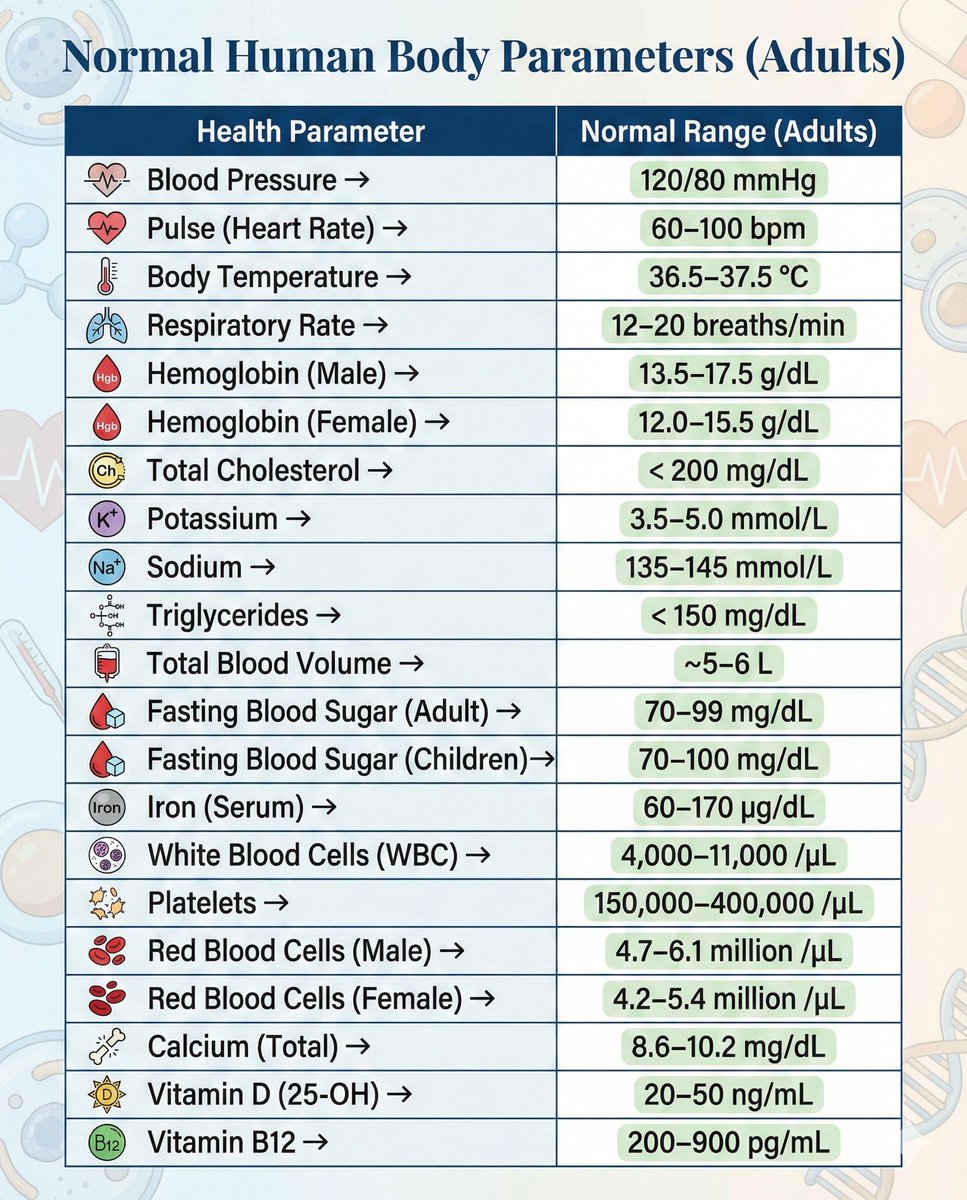
Staying aware of these fundamental health parameters in 2025 empowers individuals to maintain optimal wellness and catch potential issues early. As technology advances, monitoring our bodies becomes more intuitive and integrated into daily life, making proactive health management easier than ever before.
 ChatGPT
 Perplexity
 Gemini AI
 Grok AI