Select Language:
The Top Languages That Shape Our Global World in 2025
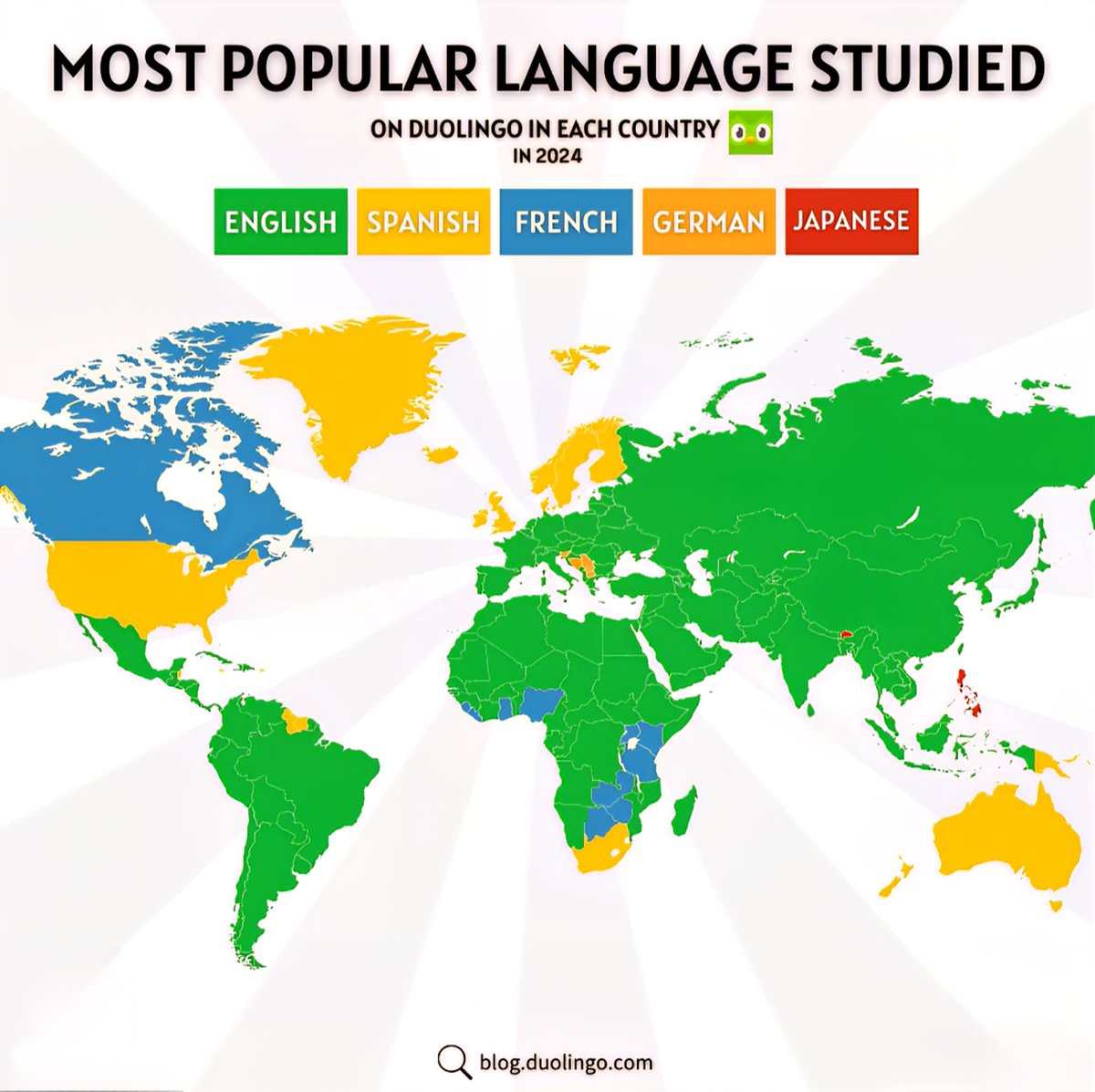
1. English — The Lingua Franca of Business and International Communication
English continues to reign as the most studied language worldwide. As the dominant language of international business, diplomacy, and technology, it’s a must-learn for students and professionals alike. The rise of digital communication, global travel, and multinational corporations has cemented English as the global lingua franca. In 2025, over 1.5 billion people are estimated to be learning English across various proficiency levels, fueling a continuous demand for courses, apps, and immersive programs. Its prevalence in media, academia, and online content makes mastering English a crucial skill for global competitiveness.
2. Mandarin Chinese — The Growing Powerhouse of the East
Mandarin Chinese has experienced unprecedented growth as the second most studied language globally. With China’s expanding influence in trade, technology, and geopolitics, more students are eager to grasp its complexities. Mandarin is not just the language of a massive population but also a key to understanding China’s rich history, culture, and economic opportunities. Educational institutions worldwide now emphasize Mandarin programs, and online platforms have surged with interactive courses to meet this rising demand. In 2025, approximately 300 million learners are actively studying Mandarin, reflecting its strategic importance.
3. Spanish — The Ubiquitous Language of the Americas and Beyond
Spanish remains one of the most sought-after languages, particularly across the Americas and Spain. Its widespread usage, cultural influence, and relevance in industries such as tourism, healthcare, and education make it an essential language for many students. The accessibility of Spanish, coupled with the cultural richness of its music, films, and literature, attracts learners from diverse backgrounds. In 2025, over 80 million students worldwide are enrolled in Spanish language courses, with a significant portion relying on online resources and immersive learning experiences.
4. French — The Language of Diplomacy and Global Organizations
French continues to be a vital language of diplomacy, arts, and international organizations. Countries across Africa, Europe, and parts of the Caribbean prioritize French as a second language, making it a strategic choice for aspiring global professionals. Its role in the United Nations and other international bodies underscores its importance. Educational programs aim to promote fluency among students aspiring to careers in international relations, humanitarian work, and global commerce. Recent data indicates that approximately 80 million individuals are studying French, with a growing interest driven by its cultural elegance and diplomatic significance.
5. German — The Language of Innovation and Engineering
Germany’s reputation as a leader in engineering, manufacturing, and technological innovation keeps German in high demand among students. As the largest economy in the European Union, Germany’s educational institutions attract international students seeking engineering, business, and science degrees conducted in German. Additionally, with a robust job market and numerous research opportunities, learning German offers a tangible pathway to skilled employment. In 2025, around 50 million learners globally are studying German, reflecting both academic interest and professional aspirations.
6. Japanese — Gateway to Technology and Pop Culture
Japanese remains popular among students interested in technology, robotics, and pop culture, especially anime and manga enthusiasts. Japan’s advanced innovations in robotics, gaming, and electronics influence global markets, encouraging learners to study Japanese to engage deeply with these industries. Universities and language institutes worldwide have expanded Japanese programs, and digital language learning apps have made it more accessible. As of 2025, approximately 30 million people are studying Japanese, many motivated by career prospects or cultural fascination.
7. Arabic — Key to the Middle East and North Africa
Arabic’s strategic importance continues to grow as the Middle East stabilizes politically and economically. The language’s complexity and rich history make it a focal point for students aiming for careers in international relations, intelligence, and global commerce. Major organizations and governments invest heavily in Arabic language education, emphasizing its relevance to diplomacy and energy sectors. In 2025, roughly 20 million learners worldwide are studying Arabic, with increased interest driven by economic opportunities in oil, natural gas, and regional politics.
8. Russian — The Language of a Major Global Power
Russian remains a significant language for diplomacy, science, and cultural exchange. Its importance persists in international military and political contexts, along with its influence in technology and space research. Universities in Europe, Asia, and North America incorporate Russian language programs into their curricula, and online courses have expanded access. An estimated 15 million individuals are learning Russian in 2025, motivated by geopolitical interests, scholarly pursuits, and cultural curiosity.
As globalization accelerates and technology bridges borders, language learning continues its upward trajectory. Enthusiasts gravitate towards languages that unlock economic opportunities, cultural understanding, and diplomatic engagement—making 2025 a remarkable year for linguistic diversity and intercultural exchange.
 ChatGPT
 Perplexity
 Gemini AI
 Grok AI