Select Language:
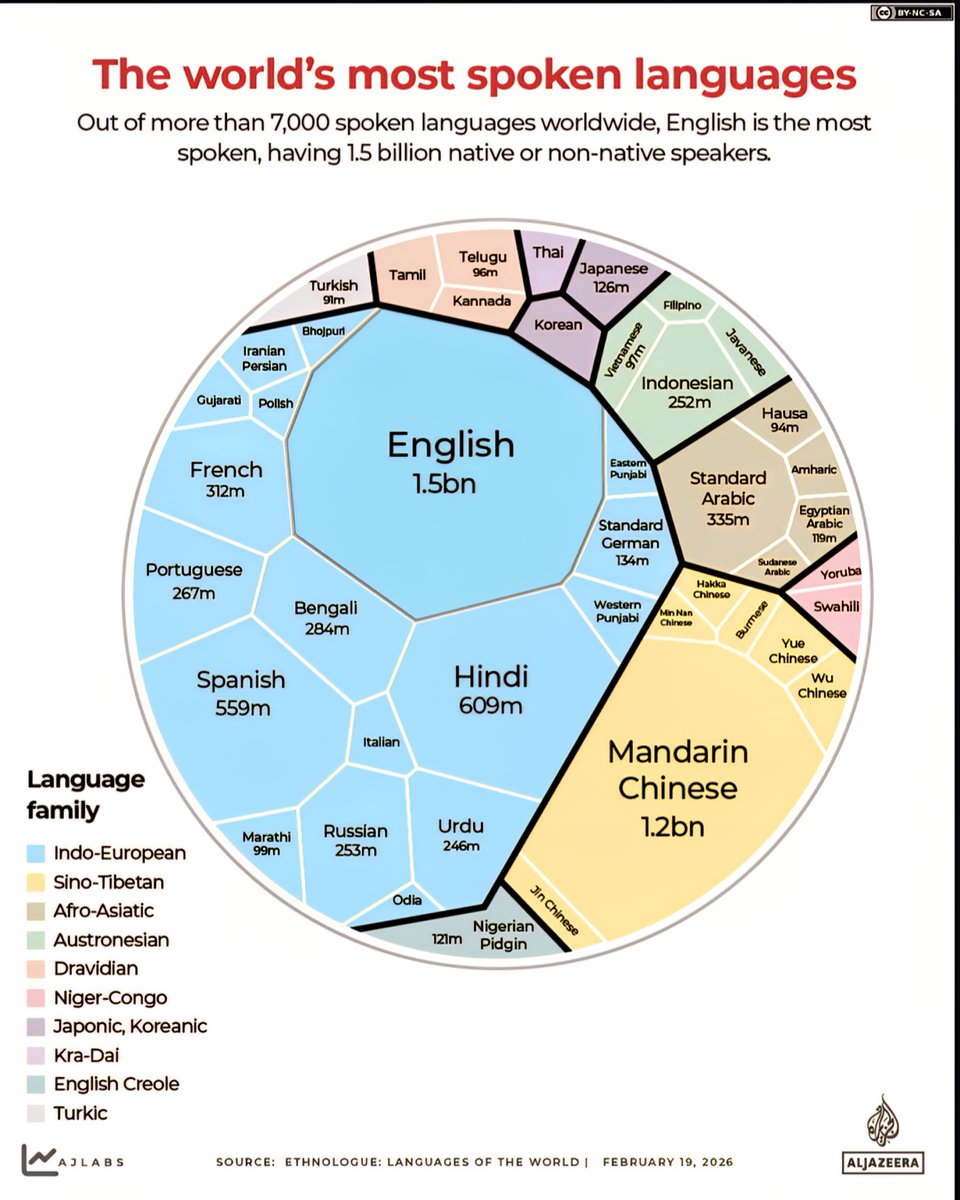
The Top 25 Most Spoken Languages in 2025
1. English Dominates Global Communication
With over 1.5 billion speakers, English remains the undisputed leader in worldwide communication. It’s the primary language for international business, technology, science, and entertainment. The widespread use of digital devices and global connectivity has propelled English’s influence, especially in countries across North America, Europe, Africa, and Asia. Its status as the lingua franca enhances its importance for globalization and cross-cultural collaboration.
2. Mandarin Continues to Lead in China and Beyond
Mandarin Chinese has grown to approximately 1.2 billion speakers, reaffirming its position as the most spoken language in the world. China’s rapid economic development and global outreach have helped Mandarin extend its reach far beyond its native borders. Educational initiatives and cultural exchanges have further bolstered its popularity, making it a critical language for international diplomacy and commerce.
3. Hindi’s Rapid Rise in South Asia
Hindi, spoken by around 609 million people, remains a dominant language in India and parts of neighboring regions. Its evolution is intertwined with India’s expanding economic influence and cultural exports, including Bollywood and Indian technology sectors. As India continues its global integration, Hindi’s reach is projected to increase, especially among the Indian diaspora worldwide.
4. Spanish’s Expanding Global Footprint
With close to 558 million speakers, Spanish solidifies its position as a vital language across Latin America, the United States, and parts of Europe. The Hispanic community’s growth in the U.S. sustains its cultural and economic influence. Spanish continues to be a key language for international business and diplomatic relations in the Western Hemisphere.
5. Arabic’s Increasing Importance in the Middle East and North Africa
Standard Arabic, spoken by approximately 335 million, remains crucial in the Arab world, especially in politics, trade, and media. Its cultural significance and geopolitical relevance make it a language of strategic importance, with renewed interest from learners and institutions seeking to understand the region better.
6. French’s Global Reach and Diplomatic Status
With about 312 million speakers, French is widely spoken across Europe, Africa, the Caribbean, and parts of Asia. Its historical role in diplomacy, international organizations, and academia sustains its global relevance. The language’s cultural richness continues to attract learners worldwide, maintaining its status as a major global tongue.
7. Bengali’s Growing Influence in South Asia
Bengali, with 284 million speakers, primarily in Bangladesh and India, is experiencing increased recognition in cultural and political spheres. As Bangladesh’s economy advances, Bengali’s influence in business and media growth is expected to expand further.
8. Portuguese’s Stronghold in Brazil and Lusophone Countries
Portuguese, spoken by approximately 267 million, remains the main language in Brazil, Portugal, and several African nations. Brazil’s expanding tech sector and cultural exports, such as music and sports, help to promote Portuguese worldwide, ensuring its continued growth.
9. Russian’s Strategic Importance in Eurasia
Russian boasts around 253 million speakers across Russia and neighboring countries. Its role in geopolitics, science, and literature sustains its prominence. Russia’s investments in technological and educational initiatives aim to preserve and extend Russian language influence.
10. Indonesian’s Emerging Role in Southeast Asia
With 252 million speakers, Indonesian is a significant language in Southeast Asia. Indonesia’s expanding economy, vibrant culture, and strategic partnerships with neighboring countries help to boost the language’s prominence in both regional and international contexts.
11. Urdu’s Cultural and Political Significance
Spoken by 246 million people primarily in Pakistan and India, Urdu continues to serve as a cultural and literary language. Its rich poetic tradition and growing media presence underpin its ongoing importance regionally and among diaspora communities.
12. German’s Enduring European Impact
German has about 134 million speakers and remains influential in European science, engineering, and philosophy. Germany’s industrial strength and academic contributions make German a valuable language for international students and professionals.
13. Japanese’s Technological and Cultural Export Power
With 126 million speakers, Japanese continues to be vital in technology, gaming, and popular culture. Japan’s innovation-driven economy ensures ongoing global interest in learning and understanding the language.
14. Nigerian Pidgin’s Cultural Vibrancy
Spoken by approximately 121 million people, Nigerian Pidgin is a lively, informal lingua franca across Nigeria and parts of West Africa. Its role in music, entertainment, and social interactions boosts its cultural relevance.
15. Egyptian Arabic’s Rich Heritage
With 119 million speakers, Egyptian Arabic serves as the lingua franca across Egypt and Arabic media. Its influence in the Arab world continues to grow through cinema, music, and social media.
16. Marathi’s Regional Strength in India
Marathi, with nearly 99 million speakers, remains essential in western India. As India’s regional economies flourish, Marathi’s importance in local governance and culture persists.
17. Vietnamese’s Increasing Global Presence
Vietnamese, spoken by 97 million, is witnessing increased interest due to Vietnam’s economic growth and investment opportunities. Universities and businesses are increasingly offering Vietnamese language programs.
18. Telugu’s Growing South Indian Influence
With 96 million speakers, Telugu’s prominence in southern India boosts its cultural and political significance, especially as Indian states become more globally connected.
19. Hausa’s Role in West Africa
Spoken by approximately 94 million, Hausa is a vital trade language across West Africa, particularly in Nigeria, Niger, and surrounding nations. Its role in commerce and regional diplomacy is vital for international relations in the region.
20. Turkish’s Geopolitical and Cultural Linkages
With 91 million speakers, Turkish is central in Turkey’s political landscape and cultural exports. Its influence is expanding through media, arts, and regional collaborations.
21. Western Punjabi’s Cultural Significance
Spoken by 90 million people mainly in Pakistan, Western Punjabi is key to regional identity, and its literature and music continue to shape cultural expression in South Asia.
22. Swahili’s Growing Use in East Africa
With 87 million speakers, Swahili is crucial for trade, education, and diplomacy in East Africa. Its role in regional integration efforts continues to grow, attracting international learners.
23. Tagalog’s Cultural and Economic Impact
Spoken by 87 million in the Philippines, Tagalog (Filipino) is essential for national identity and increasingly influential in Southeast Asia’s media and entertainment industries.
24. Tamil’s Rich Cultural Heritage
With 86 million speakers, Tamil’s deep linguistic roots are present across India, Sri Lanka, and diaspora communities. Its literary and cultural traditions keep it relevant in arts and education.
25. Yue Chinese (Cantonese)’s Popularity in Hong Kong and Macau
Yue Chinese boasts 86 million speakers, primarily in Hong Kong and Macau. Its significance in business, especially finance and trade, ensures its relevance in global markets.
Source: Ethnologue via Al Jazeera, Updated 2025
 ChatGPT
 Perplexity
 Gemini AI
 Grok AI