Select Language:
Top Countries Under Heavy Sanctions in 2025
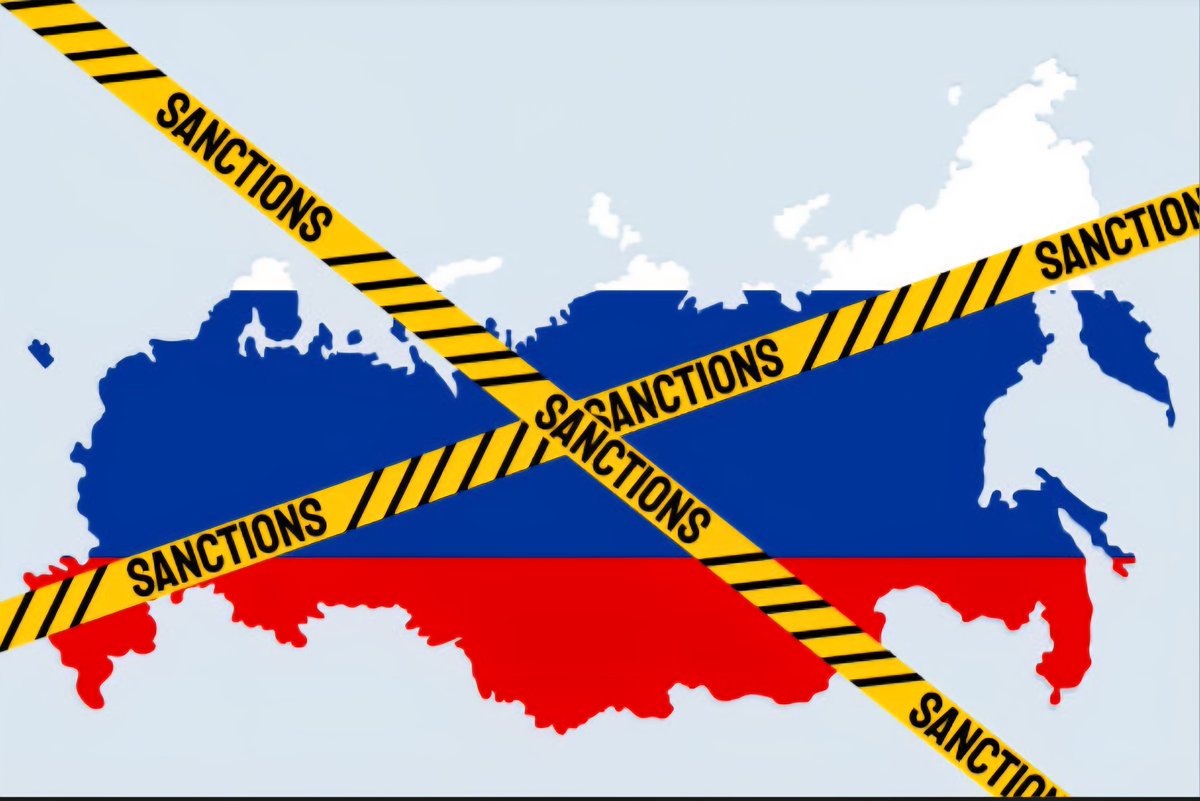
- Russia: Facing Heightened Global Sanctions Over Ukraine
Russia remains the most heavily sanctioned nation, with the United States, European Union, and United Kingdom imposing extensive measures. These sanctions are primarily a response to Russia’s ongoing invasion of Ukraine, which has led to economic restrictions targeting key sectors and individuals, further isolating Moscow on the world stage.
- Iran: Sanctions Intensify Over Nuclear Developments
Iran continues to grapple with a complex web of restrictions from the U.S., EU, and United Nations. The sanctions are primarily centered around Iran’s nuclear program, with international concerns over its potential pursuit of atomic weapons. These measures significantly impact Iran’s economy, especially its oil exports and banking operations.
- North Korea: Under Global Restrictions for Nuclear and Missile Tests
North Korea remains under strict sanctions from the UN, U.S., and EU. The primary justification involves North Korea’s continued nuclear tests and missile launches, which threaten regional stability. These sanctions aim to curb Pyongyang’s weapons development while pressuring for denuclearization.
- Syria: Sanctions Related to Civil War and Human Rights Violations
Syria’s prolonged civil conflict has led to substantial sanctions from the U.S. and EU. Measures target Syrian government officials, military assets, and entities involved in war crimes and human rights abuses. The sanctions aim to pressure the Assad regime toward a political resolution.
- Venezuela: Sanctions Amid Political Turmoil
Venezuela faces heavy sanctions from the U.S. and EU due to ongoing political crises, economic instability, and allegations of human rights violations. These restrictions include freezing assets and regulating transactions with the Venezuelan government, exacerbating the nation’s economic woes.
- Cuba: Decades-Long Embargo Persists
The U.S. maintains its longstanding embargo against Cuba. Although there have been some relaxations over the years, sanctions remain primarily focused on restricting trade and financial dealings with the communist-led country, citing concerns over human rights and democracy.
- Belarus: Sanctions for Political Repression and Russia Support
Belarus is under sanctions by the EU and U.S. due to its role in supporting Russia’s military actions and political repression at home. Measures target government officials, financial institutions, and sectors implicated in electoral fraud and suppression of dissent.
- Myanmar: Sanctions Following Military Coup
Since the 2021 military coup, Myanmar has faced increasing sanctions from the U.S. and EU. Measures target military leaders and related businesses, aiming to pressure the military regime into restoring democracy and ceasing violence against civilian protesters.
- Libya: Sanctions Due to Ongoing Civil Conflict
Libya remains under sanctions from the UN and EU, largely due to persistent civil conflict involving rival factions. The sanctions target armed groups and individuals fueling instability, aiming to promote peace and democratic transition.
- Sudan: Sanctions Amid Civil War
Sudan’s political and military unrest has led to sanctions by the U.S. and UN. These measures target individuals and entities associated with the ongoing civil war and violence, supporting efforts for peace and stability.
- Somalia: Sanctions Against Terrorist Groups
The UN enforces sanctions on Somalia, mainly aimed at combating terrorism. Restrictions target individuals and groups linked to al-Shabaab and other militant organizations operating within the region.
- Yemen: Sanctions in a Widespread Conflict
Yemen’s decades-long conflict has brought about sanctions from the UN and EU. Measures focus on constraining military and financial networks involved in perpetuating the civil war, with an emphasis on humanitarian access and conflict resolution.
- DR Congo: Sanctions Against Armed Violence
The Democratic Republic of Congo faces sanctions from the UN and EU due to ongoing armed conflicts. Sanctions aim to restrict resources and movements of militia groups responsible for violence and human rights abuses.
- Afghanistan: Sanctions Under Taliban Control
With Taliban rule established since 2021, the U.S. and UN sanctions target Taliban leaders and associated entities. These measures focus on restricting financial flows and preventing the international community from recognizing the Taliban’s authority.
- Zimbabwe: Sanctions Over Governance Concerns
Zimbabwe has been under sanctions from the U.S. and EU for years, primarily due to governance issues, human rights violations, and electoral irregularities. These sanctions include asset freezes and restrictions on trade with certain political figures.
Note: These rankings are based on current active sanctions programs outlined in publicly available lists from OFAC (United States), United Nations, and European Union. The focus is on the number of operational sanctions measures, not their severity or total economic impact.
Source: OFAC (U.S.), United Nations, European Union
 ChatGPT
 Perplexity
 Gemini AI
 Grok AI