Select Language:
2025’s Most-Sanctioned Countries: A Closer Look at Global Restrictions
Russia: The Ongoing Ukraine Conflict and Sanctions
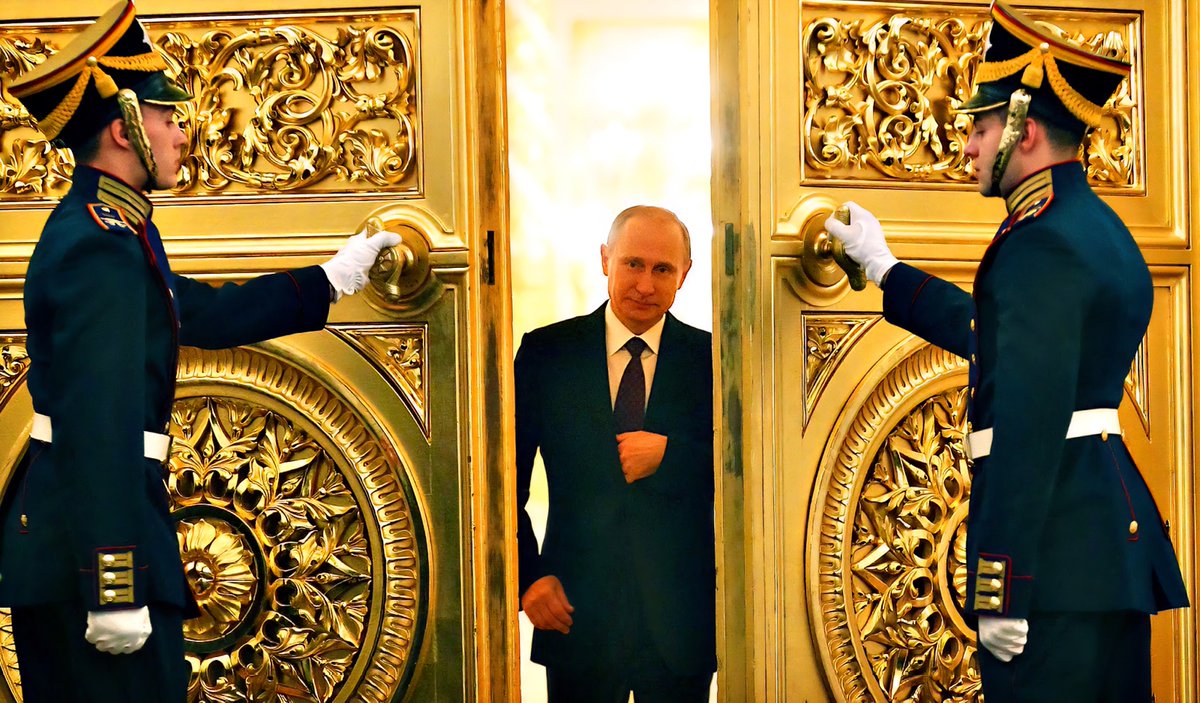
Russia continues to face extensive sanctions from the United States, European Union, and United Kingdom, largely due to its ongoing invasion of Ukraine. These sanctions target significant sectors like energy, finance, and military exports, aiming to pressure Russia into ceasing hostilities and withdrawing from Ukrainian territory. Notably, Western nations have frozen billions in assets and imposed travel bans on top Russian officials.
Iran: Nuclear Ambitions Under International Scrutiny
Iran remains under heavy restrictions imposed by the US, EU, and the United Nations because of concerns over its nuclear program. While Iran claims its nuclear activities are peaceful, Western countries accuse it of advancing nuclear weapons capabilities, prompting stringent sanctions. These measures have severely impacted Iran’s economy, affecting oil exports, banking operations, and international trade.
North Korea: Isolated by Missile and Nuclear Tests
The United Nations, United States, and European Union continue to impose sanctions on North Korea for its provocative missile launches and nuclear testing. The measures aim to curb its missile development and inhibit the regime’s ability to finance its military ventures. Sanctions include restricted trade, asset freezes, and bans on luxury goods, further isolating the isolated nation.
Syria: Civil War and Humanitarian Concerns
Since the start of its civil war, Syria has been sanctioned by the US and EU due to ongoing conflict and allegations of human rights violations. These sanctions target Syrian government officials, military entities, and key economic sectors. The restrictions aim to pressure the Assad regime to cease military aggression and pursue a political solution amid humanitarian crises.
Venezuela: Political Turmoil Leads to Sanctions
The United States and the EU have maintained sanctions on Venezuela, citing political unrest and concerns over authoritarian governance. Oil industry sanctions, asset freezes, and travel bans are among measures designed to push for democratic reforms and address the country’s economic collapse following years of political instability.
Cuba: Decades-Long Embargo Continues
Although the US eased some restrictions in recent years, Cuba remains under a broad embargo primarily by the US, citing concerns over human rights and political repression. The embargo restricts tourism, exports, and foreign investment, contributing to Cuba’s ongoing economic hardship.
Belarus: Support for Russia and Political Repression
Belarus faces sanctions from the EU and US, primarily due to its support for Russia’s invasion of Ukraine and its own political repression following disputed elections. Measures include asset freezes against key officials and restrictions on trade and travel to discourage further authoritarian practices.
Myanmar: After the Military Coup
The US and EU have imposed sanctions on Myanmar since the military overthrew the democratically elected government in 2021. Targeting military leaders and military-run enterprises, these sanctions aim to pressure the junta into restoring civilian rule amid escalating violence and human rights abuses.
Libya: Civil Conflict and Persistent Instability
The UN and EU continue to impose sanctions on Libya, targeting armed groups and individuals involved in ongoing civil conflict. Measures include asset freezes and bans on weapons shipments, with the goal of promoting stability and peace in the North African nation.
Sudan: Civil War and Power Struggles
Since the outbreak of civil war and political unrest, the US and UN sanctions on Sudan have intensified. Efforts focus on restricting armed groups and economic sectors fueling violence, hoping to foster peace processes and transitional governance.
Somalia: Combating Terrorism
The UN maintains sanctions on Somalia aimed at disrupting terror networks like Al-Shabaab. These measures include travel bans, asset freezes, and restrictions on arms, to weaken terrorist operations within the country.
Yemen: War and Humanitarian Crisis
Global sanctions from the UN and EU target factions involved in Yemen’s ongoing civil war. Sanctions aim at limiting military supplies and restricting financial flows to reduce violence and suffering among its population.
Democratic Republic of Congo: Fighting Armed Violence
The UN and EU continue to impose sanctions on armed groups in the DRC. These measures include sanctions on leaders responsible for violence and violations of human rights, hoping to restore peace and stability.
Afghanistan: Taliban Regime Sanctions
Following the Taliban’s return to power in 2021, the US and UN have sanctioned Afghanistan’s regime. Restrictions focus on freezing assets and limiting diplomatic engagement to pressure the Taliban toward forming an inclusive government and respecting human rights.
Zimbabwe: Governance and Economic Concerns
Both the US and EU persist with sanctions against Zimbabwe due to governance issues, election irregularities, and economic mismanagement. Measures include asset freezes and travel bans aimed at encouraging reforms and transparency.
Summary
As of 2025, the global landscape of sanctions remains complex, heavily influenced by geopolitical conflicts, human rights concerns, and efforts to curb military escalation. These measures serve as both punitive and diplomatic tools, shaping international relations and economic policies worldwide.
Source: OFAC (US), United Nations, European Union
 ChatGPT
 Perplexity
 Gemini AI
 Grok AI