Select Language:
Unveiling the Most Influential Kings in History: Who Truly Left Their Mark?
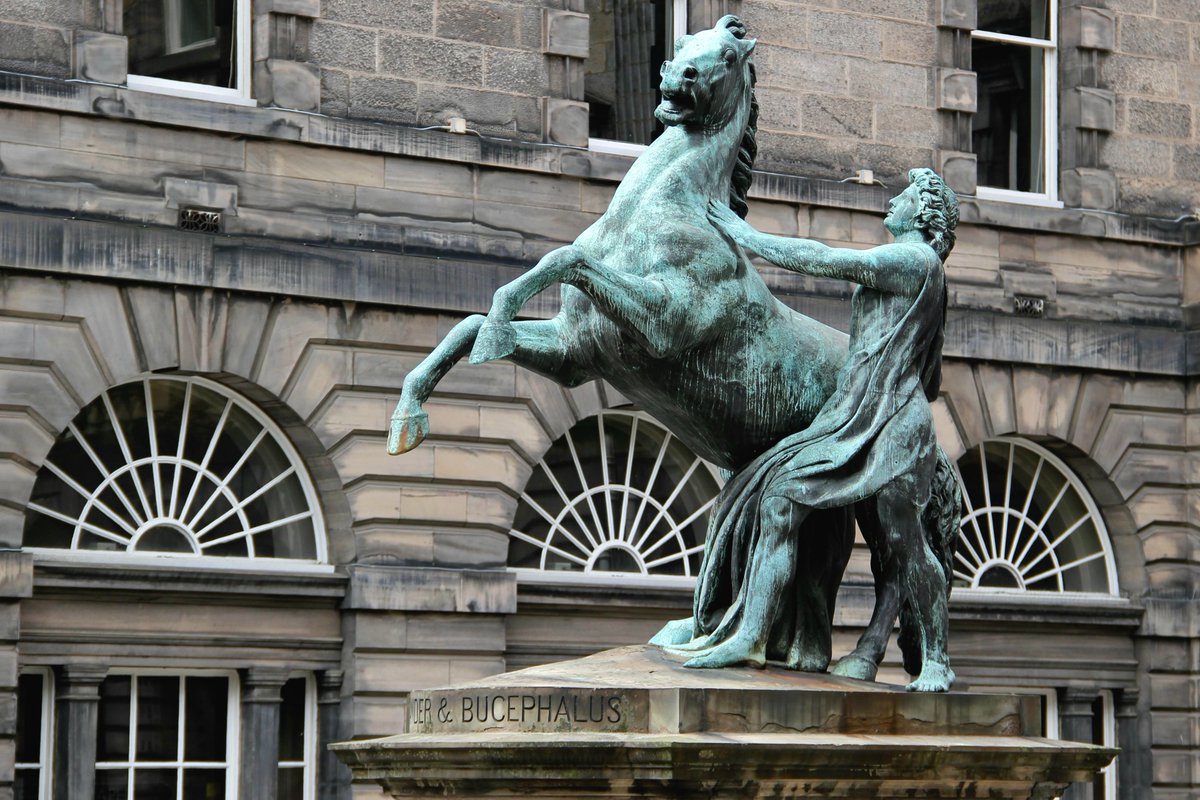
Throughout history, monarchs and kings have shaped civilizations, expanded empires, and left enduring legacies. Here’s a comprehensive list of the most powerful kings who have wielded significant influence across different eras and regions, up to 2025.
Alexander the Great: The Macedonian Conqueror Who Changed the World
Arguably the most iconic military strategist in history, Alexander the Great from Greece is renowned for forging one of the largest empires of the ancient world before his death at age 32. His conquests stretched from Greece through Egypt and into India, establishing his reputation as a legendary leader. His tactics and vision fundamentally transformed cultural exchanges, spreading Hellenistic civilization across continents and influencing warfare and governance for centuries.
Genghis Khan: The Unifier of the Mongol Tribes and Empire Builder
Genghis Khan from Mongolia is credited with uniting the fragmented nomadic tribes and creating the vast Mongol Empire in the 13th century. His military innovations and brutal tactics facilitated the conquest of Eurasia, reshaping the world map. His legacy fosters both admiration and fear, shaping global history through the establishment of a unified empire that facilitated trade and cultural exchanges via the Silk Road.
Ashoka the Great: The Buddhist King Who Promoted Peace and Welfare
In India, Ashoka the Great of the Mauryan Dynasty is celebrated for his transformation from a fierce conqueror to a benevolent ruler. After the bloody Kalinga War, Ashoka embraced Buddhism and propagated non-violence, tolerance, and social welfare policies across his empire. His edicts and policies fostered stability and religious tolerance, influencing governance and religious harmony in South Asia for centuries.
Julius Caesar: The Architect of the Roman Empire’s Foundations
Although technically a dictator, Julius Caesar from Rome was a pivotal figure in the transition from Republic to Empire. His military conquests, particularly in Gaul (modern-day France), expanded Rome’s territories exponentially. His centralization of power and reforms laid the groundwork for the imperial system that dominated Europe for centuries. Caesar’s assassination in 44 BC marked a turning point in Roman and world history.
Charlemagne and Napoleon Bonaparte: Shaping Europe’s Political Landscape
- Charlemagne, crowned Emperor in 800 AD, united much of Western Europe and fostered the Carolingian Renaissance, promoting learning, culture, and political stability during the early Middle Ages.
- Napoleon Bonaparte, emerging in the late 18th century, greatly expanded France’s influence across Europe through military prowess and strategic governance. His Napoleonic Code continues to influence legal systems worldwide. His leadership marked one of the most transformative periods in European history.
Suleiman the Magnificent: The Ottoman Empire’s Golden Age Ruler
Suleiman I, known as Suleiman the Magnificent, ruled the Ottoman Empire during its zenith in the 16th century. His military campaigns expanded the empire into Europe, Asia, and Africa. As a reform-minded leader, Suleiman restructured laws and strengthened the empire’s administrative framework, leaving a lasting legacy on Ottoman governance and culture.
Qin Shi Huang: The First Emperor Who Unified China
Qin Shi Huang was the driving force behind China’s unification in 221 BC. He standardized currency, weights, and writing systems, and initiated massive infrastructure projects like the early Chinese sections of the Great Wall. His reign centralized authority and laid the foundation for China’s imperial structure, influencing subsequent dynasties.
Louis XVI: The Last King of France Before the Revolution
Louis XVI epitomizes the monarchy’s decline in France leading up to the French Revolution. His inability to address fiscal crises and social inequality led to widespread unrest, culminating in his execution in 1793. His reign exemplifies how monarchy can transform into revolutionary change, ultimately shaping modern France.
Akbar the Great: The Mughal Empire’s Enlightened Ruler
Akbar the Great of India extended and consolidated Mughal rule during the 16th century. Known for his policies of religious tolerance, cultural patronage, and administrative reforms, Akbar fostered a period of stability and growth. His legacy influences India’s diversity and governance to this day.
This lineup of historic kings exemplifies various leadership styles—from military conquests and empire-building to reform and cultural influence. Their legacies continue to impact the modern world, illustrating the profound power of monarchs in shaping history.
Source: Times Life, 2025
 ChatGPT
 Perplexity
 Gemini AI
 Grok AI