Select Language:
20 Iconic Leaders Who Were Tragically Assassinated
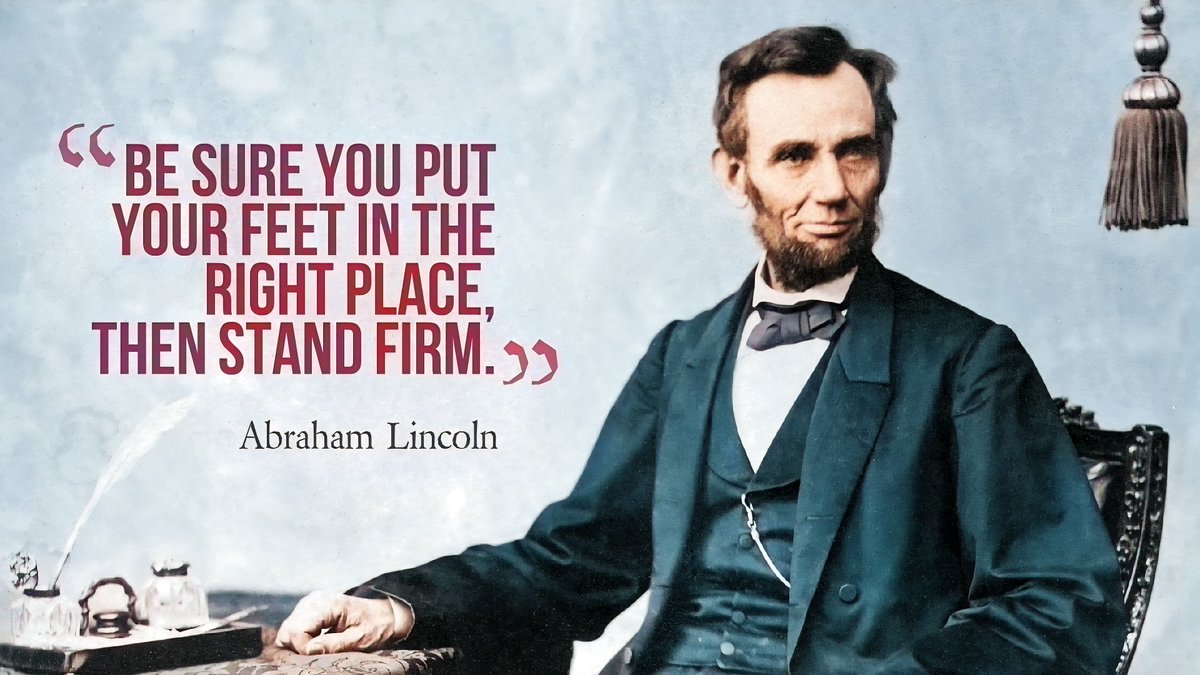
1. Abraham Lincoln (1865)
The 16th President of the United States, Abraham Lincoln, was assassinated by John Wilkes Booth while attending a play at Ford’s Theatre. His leadership during the Civil War and efforts to abolish slavery have cemented his legacy as one of America’s greatest presidents. His death marked a turning point in American history, plunging the nation into a period of reconstruction and healing.
2. Mahatma Gandhi (1948)
A trailblazer of nonviolent resistance, Mahatma Gandhi was assassinated by Nathuram Godse. Gandhi’s leadership in India’s fight for independence from British rule inspired civil rights movements worldwide. His assassination shocked millions and underscored the fragile nature of peace and unity amid political divisions.
3. John F. Kennedy (1963)
The beloved 35th President of the United States was fatally shot in Dallas, Texas, by Lee Harvey Oswald. Kennedy’s visionary leadership during the Cold War, including the moon landing goal and civil rights advocacy, left a lasting impact. His death remains one of the most tragic moments in American history.
4. Benazir Bhutto (2007)
Pakistan’s first female Prime Minister was assassinated during a political rally in Rawalpindi. Bhutto was a prominent figure advocating for democracy and women’s rights in Pakistan. Her assassination highlighted ongoing political tensions and threats faced by leaders in volatile regions.
5. Olof Palme (1986)
Sweden’s Prime Minister, known for his progressive policies and outspoken stance on international issues, was shot dead in Stockholm. His assassination remains unsolved, reflecting concerns about political violence in peaceful nations.
6. Anwar Sadat (1981)
Egypt’s President was assassinated by extremists during a military parade. Sadat’s peace treaty with Israel was groundbreaking, but it also made him a target for opposition forces. His death marked a stark reminder of the dangers of diplomatic breakthroughs in turbulent regions.
7. Yitzhak Rabin (1995)
Israeli Prime Minister Yitzhak Rabin was assassinated by a right-wing extremist opposed to the Oslo Accords. Rabin’s efforts toward peace with the Palestinians were controversial but vital, and his death was a significant setback for peace processes.
8. Luis Donaldo Colosio (1994)
Mexican politician and presidential candidate Luis Donaldo Colosio was shot during a campaign rally. His death underscored issues of political violence and corruption in Mexico, sparking nationwide introspection and reform advocacy.
9. Martin Luther King Jr. (1968)
Civil rights leader Martin Luther King Jr. was assassinated on the balcony of a motel in Memphis. His unwavering commitment to racial equality and justice made him an international icon. His death galvanized the civil rights movement and ongoing struggles for equality.
10. Indira Gandhi (1984)
India’s Prime Minister was assassinated by her own Sikh bodyguards following Operation Blue Star. Gandhi’s leadership was marked by significant political and social upheaval, and her assassination ignited widespread violence and deepened sectarian divides.
11. Robert F. Kennedy (1968)
The U.S. Senator and presidential hopeful was shot in Los Angeles shortly after winning the California Democratic primary. Kennedy’s advocacy for social justice and opposition to Vietnam War earned him admiration, and his death was a profound loss for America’s progressive movement.
12. Aldo Moro (1978)
An influential Italian statesman, Moro was kidnapped and murdered by the Red Brigades, a militant left-wing organization. His abduction was a pivotal event in Italy’s political history, signaling the violent turbulence of the era.
13. Shinzo Abe (2022)
Japan’s longest-serving Prime Minister was assassinated during a public speech. Abe’s tenure was marked by efforts to boost Japan’s economy and strengthen security alliances. His death shocked a country known for its stability and safety.
14. Rajiv Gandhi (1991)
India’s former Prime Minister was killed in a suicide bombing in Tamil Nadu. His leadership faced numerous challenges, including insurgencies, and his assassination was a tragic consequence of India’s complex regional conflicts.
15. Alexander Litvinenko (2006)
Russia’s former spy and outspoken critic of the government was poisoned with polonium-210 in London. Litvinenko’s death drew international attention to issues of Kremlin control and political opposition.
16. Hassan Ali Mansur (1965)
An influential Iranian politician and Prime Minister, Mansur was assassinated by a political opponent. His death symbolized turbulence during Iran’s pre-revolutionary period, hinting at the unrest that would lead to major upheaval.
17. Thomas Sankara (1987)
The revolutionary leader of Burkina Faso was killed in a coup. Sankara’s socialist policies and anti-imperialist stance inspired many, but his radical ideas and reforms made him a target for political enemies.
18. Benigno Aquino Jr. (1983)
A prominent Filipino opposition leader and senator, Aquino was assassinated upon returning from exile. His death galvanized opposition against Ferdinand Marcos and played a pivotal role in restoring democracy to the Philippines.
19. King Abdullah I of Jordan (1951)
The founder of modern Jordan was shot while visiting Al-Aqsa Mosque in Jerusalem. His leadership unified the nation, but his assassination reflected regional instability and ongoing conflicts over Jerusalem.
20. Rafic Hariri (2005)
Lebanese Prime Minister Rafic Hariri was killed in a massive car bombing in Beirut. His death sparked the Cedar Revolution, leading to significant political changes in Lebanon amidst the ongoing influence of regional players.
The loss of these leaders has left permanent impacts on their nations and the world. Their assassinations serve as stark reminders of the fragility of leadership and the ongoing struggle for peace and justice.
 ChatGPT
 Perplexity
 Gemini AI
 Grok AI