Select Language:
Top Types of Meat Domestically Popular in Different Countries
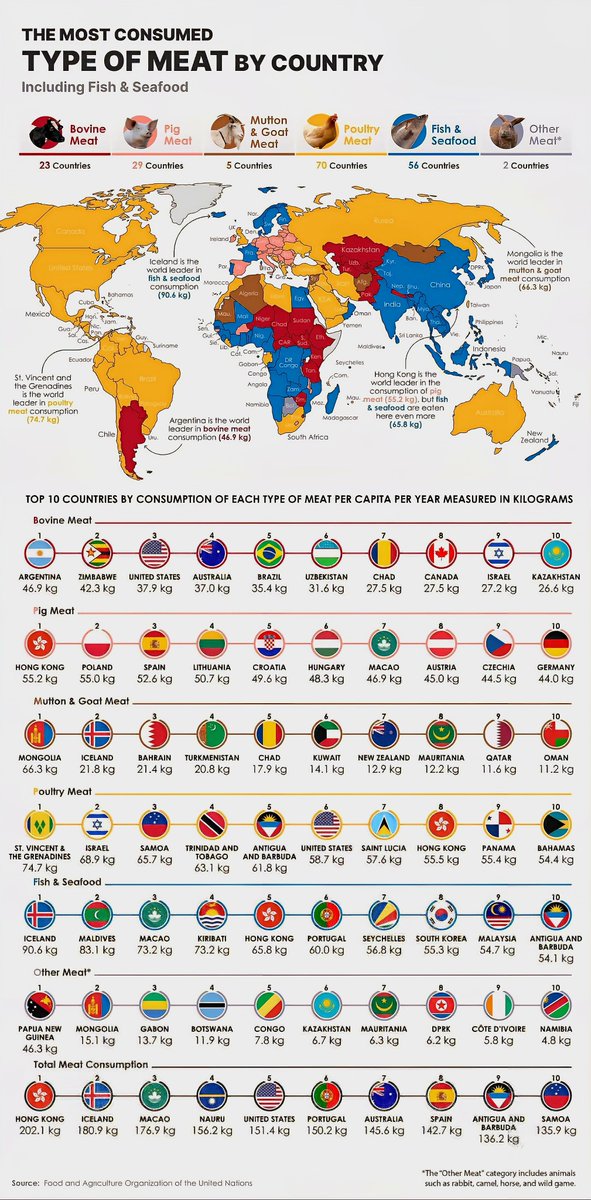
1. Beef Dominates in the United States
In 2025, beef remains the most widely consumed type of meat across the United States. American cuisine has a longstanding tradition of hearty steaks, burgers, and roasts. The cultural significance of beef is evident in fast-food chains like McDonald’s and Burger King, where beef burgers are staples. The U.S. also boasts a significant beef industry, contributing billions to the economy annually. Despite challenges from plant-based alternatives, demand for high-quality, grass-fed beef continues to grow, especially among younger consumers looking for premium and sustainable options.
2. Pork Takes the Lead in China
Pork continues to be China’s favorite source of meat in 2025. As a core ingredient in many traditional dishes, pork is embedded in China’s culinary culture, especially in staples like dumplings, Sweet and Sour Pork, and roasted pork dishes. China is also the world’s largest pork producer and consumer, with a remarkable per capita intake. Recent trends show that pork products are increasingly being integrated into fusion dishes, blending Western flavors with traditional Chinese recipes. The country’s efforts to control pork supply chain issues and promote sustainable farming have influenced prices and availability, but pork remains a daily dietary element for most Chinese households.
3. Chicken’s Popularity Continues to Soar in India
In India, chicken remains the most consumed meat, spearheading growth among poultry products. Its affordability and versatility have made it a staple across various Indian cuisines, from flavorful curries to tandoori dishes. The rise of small-scale poultry farms and easy access to processing facilities have further fueled chicken’s popularity. Vegetarianism is also prominent in India, but when meat is consumed, chicken is the preferred choice for many due to its tender texture and adaptability in cooking. Health-conscious consumers often opt for lean chicken cuts, adding to its market dominance.
4. Lamb and Mutton Hold Significance in Australia and the Middle East
In Australia, lamb is a cultural favorite, with many traditional dishes like roast lamb and lamb chops holding a special place on dinner tables. Australian farmers are renowned worldwide for producing high-quality, pasture-raised lamb, which is highly exported and appreciated globally. Similarly, in Middle Eastern countries such as Saudi Arabia and Iran, mutton and lamb are central to festive meals and everyday dining. These regions’ cuisines incorporate lamb into a variety of flavorful stews, kebabs, and rice dishes, making it a staple protein source.
5. Fish and Seafood are Essential in Coastal Countries
In nations with extensive coastlines like Japan, Norway, and Spain, fish and seafood remain the primary sources of animal protein. In 2025, the demand for sustainable seafood is skyrocketing, prompting investments in eco-friendly fishing practices. Japanese sushi and sashimi, Norwegian smoked salmon, and Spanish seafood paella are quintessential dishes that showcase the importance of seafood in local cultures. Rising health awareness and the Mediterranean diet’s popularity have driven increased consumption of fish rich in omega-3 fatty acids, such as salmon, mackerel, and sardines.
6. Plant-Based Alternatives Are Gaining Ground
While traditional meats dominate globally, 2025 has seen an exponential rise in plant-based meat substitutes. While not a type of meat per se, these alternatives—made from soy, pea protein, and mycelium—are increasingly replacing traditional meat in many households. Countries like Canada, Germany, and Australia report a surge in vegan and vegetarian diets, driven by environmental concerns and health trends. Major food corporations are investing heavily in developing realistic, tasty plant-based products, indicating a shifting landscape in meat consumption habits.
7. Future Trends in Meat Consumption
Looking ahead, the global appetite for meat is expected to evolve further. Innovations in lab-grown meat promise to revolutionize sustainable meat production, reducing environmental impact while satisfying meat lovers. Governments and industries worldwide are actively promoting sustainable practices, aiming for a balanced approach that considers both human dietary needs and ecological preservation.
Final Thought
Understanding which meats are most consumed in different countries helps reveal cultural, economic, and environmental trends shaping our food landscape in 2025. From beef in America and pork in China to chicken in India and seafood in coastal nations, the diversity illustrates the unique dietary preferences across the globe, while emerging trends indicate a future increasingly focused on sustainability and innovation.
 ChatGPT
 Perplexity
 Gemini AI
 Grok AI