Select Language:
The Most Consumed Type of Meat by Country
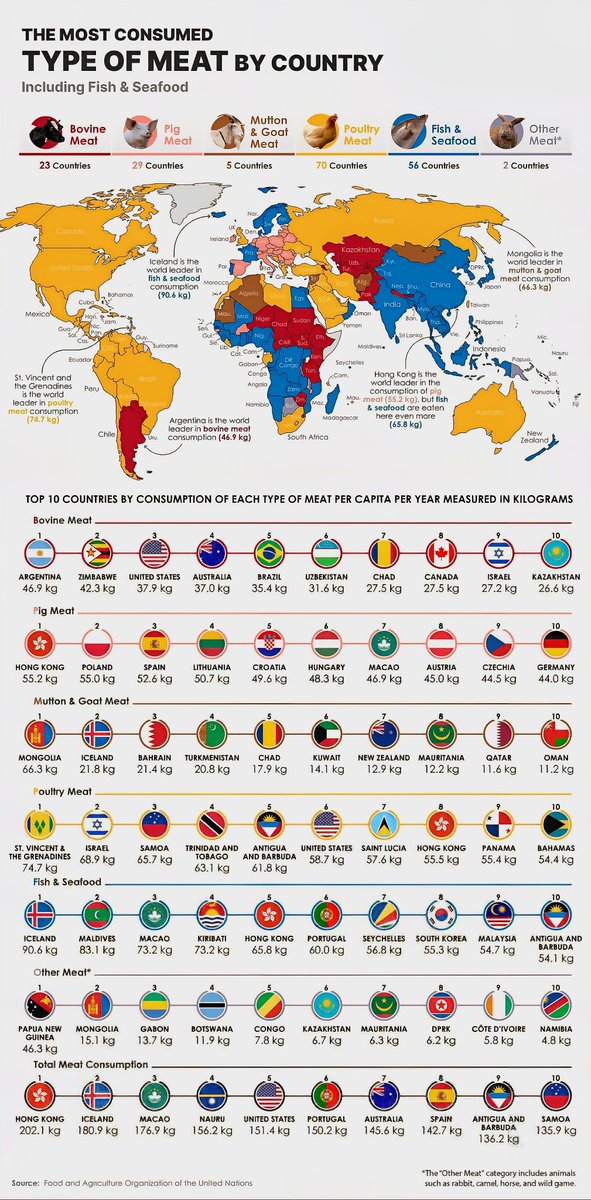
1. Beef Dominates in Argentina and the United States
In 2025, beef remains the top choice of meat in Argentina and the U.S., showcasing the deep-rooted cultural connection to cattle farming. Argentina, renowned for its high-quality beef, continues to have the highest per capita meat consumption, with many households favoring a juicy steak over other meats. Similarly, in the United States, beef is king, especially within traditional barbecues and fast-food staples, reflecting longstanding culinary traditions.
2. Pork is the Favorite in China and Germany
China holds the distinction as the world’s largest consumer of pork, driven by its enormous population and cultural dishes such as Dongpo pork and roasted pig. Pork’s affordability and versatility make it a staple across various Chinese cuisines. Germany follows suit, where pork products like sausages, schnitzels, and ham form a significant part of daily diets. The popularity of pork in these nations underscores its importance in both traditional and modern dishes.
3. Chicken Leads in India and Brazil
Chicken remains the primary source of meat in both India and Brazil in 2025. India’s widespread vegetarian culture coexists with a high consumption of chicken, especially in regions where non-vegetarian diets are prevalent. Chicken’s affordability, ease of cooking, and adaptability to numerous recipes make it the go-to choice. Brazil, known for its churrasco barbecue culture, also favors chicken alongside beef and pork, highlighting its central role in Brazilian cuisine.
4. Mutton and Lamb Hold the Spot in Middle Eastern Countries
In Middle Eastern nations like Saudi Arabia, Jordan, and Iran, mutton and lamb are the preferred meats. These richer meats are often featured during religious festivals, celebratory feasts, and daily meals. The popularity is tied to both tradition and the availability of sheep farming, with dishes such as kebabs, stews, and roasted meats showcasing their culinary significance.
5. Fish and Seafood in Norway and Japan
Marine-rich countries continue to prioritize fish and seafood, with Norway and Japan leading the way. Norway’s consumption is heavily focused on salmon, which is not only enjoyed locally but also exported globally. Japan’s seafood-centric diet features dishes like sushi, sashimi, and grilled fish, reflecting centuries of maritime tradition and its importance in Japanese cuisine.
6. Exotic Meats on the Rise in African Countries
In parts of Africa, there’s an emerging interest in consuming more exotic and game meats, propelled by both cultural traditions and eco-tourism influences. Game meats like antelope, bushmeat, and crocodile are gaining popularity, although they remain less common compared to staple meats like beef, chicken, and mutton. This trend indicates a diversifying meat palate across the continent.
7. Plant-Based Alternatives Gaining Ground Worldwide
While traditional meats dominate, there’s a noticeable surge in plant-based meat products globally. Countries like Canada, Australia, and parts of Europe are embracing veggie burgers, soy-based meats, and lab-grown options. This shift is driven by health concerns, environmental awareness, and animal welfare considerations, signaling a significant transformation in meat consumption patterns.
8. Cultural Celebrations Reinforce Meat Preferences
Special occasions and festivals intensely influence meat choices in many countries. For example, turkey remains wildly popular during American Thanksgiving, while lamb is essential for Eid celebrations in Muslim-majority countries. Understanding these traditions helps explain why certain meats dominate at specific times or events in different regions.
As global dietary preferences evolve, the landscape of meat consumption in 2025 reflects a blend of tradition and innovation. While some meats maintain their historic dominance, new trends such as plant-based alternatives and exotic meats suggest a dynamic future for culinary preferences worldwide.
 ChatGPT
 Perplexity
 Gemini AI
 Grok AI