Select Language:
The Most Common Blood Types Around the World
1. Blood Type O — The Global Leader
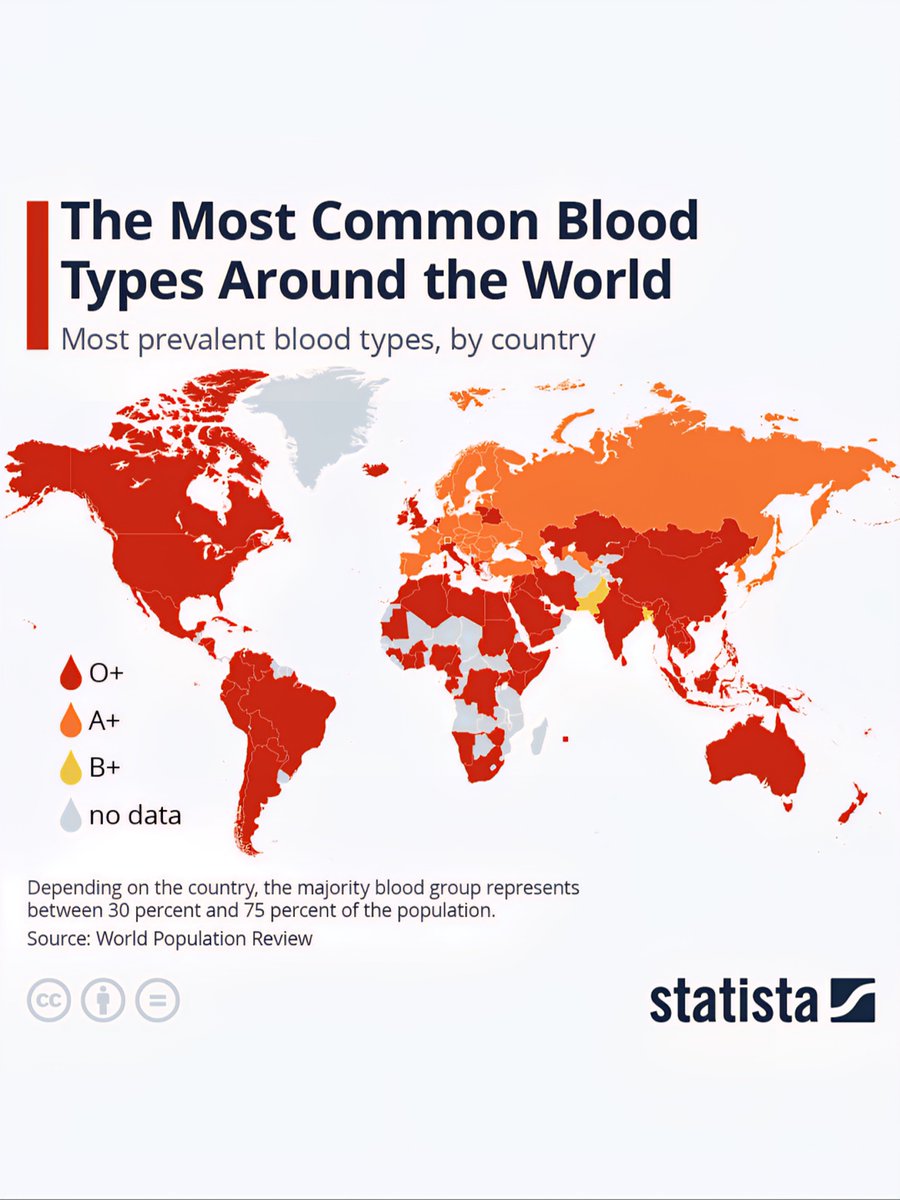
Blood type O remains the most prevalent type across the globe, with approximately 45% of the world’s population sporting this blood group. Notably, it is the most common in regions like Central Africa, South America, and parts of Asia. People with blood type O are often called universal donors since their blood can be transfused to anyone in emergencies, making this type critically important in global blood banks.
This blood type is also associated with certain health traits, such as a lower risk for heart disease but a higher susceptibility to ulcers. Its widespread presence underscores its importance not only in transfusions but also in disease resistance and population genetics.
2. Blood Type A — Widespread and Versatile
The second most common blood type worldwide is A, accounting for about 35% of the global population. Its prevalence is notably high in East Asia, North America, and parts of Europe. Individuals with blood type A are known for having a higher likelihood of developing blood clots and are also associated with a slightly increased risk of some illnesses like gastric cancer.
Blood type A has unique properties that make it especially useful in tissue and organ transplants within the same blood group, enhancing transplant success rates. Its adaptability has made it a vital component in both medical procedures and population genetics studies.
3. Blood Type B — Significant Presence in Asia and Beyond
Making up roughly 15% of the global population, blood type B is most common in Central Asia, South Asia, and parts of Africa and Europe. People with this blood type can donate to B and AB blood groups but can only receive from B and O types.
Medical research suggests that individuals with type B may have a slightly greater resilience to certain infectious diseases but a greater vulnerability to others, such as meningitis. Its distribution reflects historical migration patterns, especially in Asian populations, and it remains vital in regional blood donation programs.
4. Blood Type AB — The Rarest of the Main Types
Representing just under 5% of the population worldwide, blood type AB is the rarest of the four major groups. It is more prevalent in Asia but can be found worldwide in small numbers. People with AB blood are universal plasma donors, which makes their plasma highly valuable for medical purposes.
This blood type is sometimes linked to a slightly higher risk of certain health conditions, but its rarity makes it a crucial blood group in emergency transfusions, requiring innovative blood bank strategies to ensure adequate supplies.
Summary of Blood Group Distribution
| Blood Type | Approximate Global Percentage | Key Regions | Notable Characteristics |
|---|---|---|---|
| O | 45% | North and South America, Africa, Asia | Universal donor, common in most populations |
| A | 35% | East Asia, North America, Europe | Used in organ transplants, slightly higher risk for some diseases |
| B | 15% | Asia, Africa, Europe | Resilient against some diseases, regional importance |
| AB | 5% | Asia, worldwide (small populations) | Universal plasma donor, rare, critical in transfusions |
The Future of Blood Type Research in 2025
Advancements in genetic research and blood management technology are continually redefining the importance of blood types. Scientists are now exploring personalized medicine approaches that consider individual blood types for vaccine development and treatment plans.
Furthermore, innovative blood storage techniques and synthetic blood development could potentially diminish the reliance on traditional blood donations, though donor blood will always remain vital for emergencies and specific medical needs. The understanding of blood type distribution also helps public health officials strategize more effectively for optimal blood bank management worldwide.
[Insert Image Here]
Understanding the global distribution of blood types underscores their importance in medicine, research, and public health.
 ChatGPT
 Perplexity
 Gemini AI
 Grok AI