Select Language:
The Global Stand on Shoes Indoors: What Different Countries Prefer
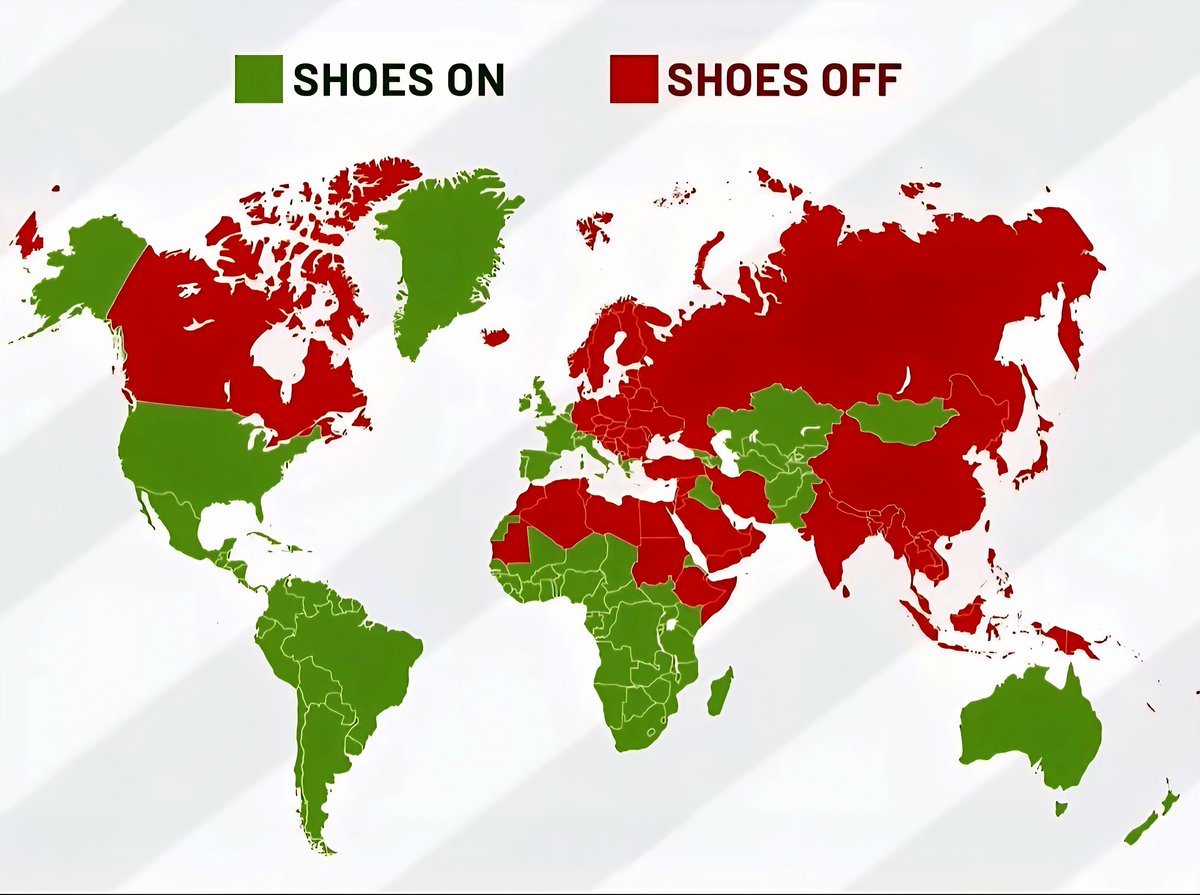
1. A Cultural Perspective on Shoes-Off Policy
Across the globe, cultures hold diverse beliefs about whether shoes should be worn inside the home. In many Asian countries, such as Japan, South Korea, and China, removing shoes before entering a house is a deeply rooted tradition rooted in respect, hygiene, and cleanliness. People often leave their shoes at the entrance to keep the living space clean and prevent dirt from being tracked indoors.
In contrast, Western countries like the United States and Canada have historically been more relaxed about indoor footwear. However, recent trends indicate a shift toward adopting shoes-off policies, especially among homeowners prioritizing cleanliness and comfort.
2. The Influence of Climate and Environment
Climate plays a significant role in shaping indoor shoe policies. Countries with harsh winter climates, including Canada and Russia, typically see a high prevalence of removing shoes to prevent mud, snow, and salt from damaging floors and carpets. Conversely, in warmer and drier regions like parts of the Middle East, many households prefer to keep shoes on as a matter of personal preference or practicality.
Environmental considerations also influence attitudes. For instance, in areas where outdoor pollution levels are high, residents may prefer to remove shoes to control indoor air quality.
3. The Shift in Western Cultures: From Shoes-On to Shoes-Off
In recent years, Western countries have increasingly embraced the shoes-off policy, especially in urban homes. This change is fueled by heightened awareness of germs and allergens brought in from outside, alongside the desire for a cozy and hygienic living environment.
Many American and European homeowners now encourage guests to remove their shoes upon entering, often providing slippers or indoor footwear to maintain comfort. This trend has gained momentum amid the COVID-19 pandemic, as households become more vigilant about minimizing the spread of germs and bacteria.
4. Practicality and Comfort Take Center Stage for Families
For families with children, the preference leans strongly toward removing shoes. Children playing on carpets, hardwood floors, or tile flooring benefit from a cleaner space free of outdoor debris. Removing shoes also reduces the risk of slipping or tripping and makes household chores easier, as less dirt is tracked inside.
Many parents opt for designated indoor slippers or socks, ensuring kids stay warm and comfortable during their indoor activities.
5. The Impact of Socioeconomic Factors
Socioeconomic status influences indoor shoe policies as well. In wealthier households, the emphasis on maintaining pristine flooring often leads to stricter shoe removal policies. Conversely, in some lower-income settings, the practicality of keeping shoes on may be prioritized due to convenience or cultural norms.
Additionally, households with pets often enforce shoe removal to prevent scratches, fur, or dirt from pets tracking outside elements indoors.
6. The Role of Home Design and Flooring Materials
Modern home designs and flooring choices heavily influence indoor shoe policies. Homes with delicate hardwood floors or plush carpets tend to encourage shoe removal to extend their lifespan and prevent stains. Conversely, homes with easy-to-clean tiles or vinyl flooring might be more lenient.
Some homeowners opt for a hybrid approach, having designated entryway areas or shoe storage spaces to manage footwear habits effectively.
7. Trends and the Future of Indoor Shoe Practices
As health consciousness continues to grow in 2025, more households globally are adopting voluntary shoe-off policies to enhance cleanliness and reduce allergens. Moreover, technological advances such as shoe sanitizing mats and antimicrobial flooring materials can influence future practices.
Public awareness campaigns and social media also play a pivotal role in normalizing shoes-off etiquette, especially among younger generations who prioritize hygiene and comfort.
In Summary: The way people handle indoor footwear varies significantly across different regions and cultures. With evolving health standards, environmental considerations, and modern home designs, the trend toward removing shoes inside the house is anticipated to become increasingly prevalent worldwide in 2025. Whether driven by tradition, practicality, or health, understanding these varied perspectives enriches our appreciation of global lifestyles.
Note: The image above visually summarizes the diverse global approaches to indoor footwear etiquette in 2025.
 ChatGPT
 Perplexity
 Gemini AI
 Grok AI