Select Language:
Unraveling the Significance of Israel’s “Promised Land” in 2025
1. Historical Roots and Religious Significance
The concept of the “Promised Land,” known in Hebrew as Ha’aretz ha-Muvtahat, originates from ancient texts dating back thousands of years. It is described in the Hebrew Bible as a territory endowed by divine promise to the descendants of Abraham, Isaac, and Jacob. Over the centuries, this land has become a symbol of divine favor and national identity for Jewish communities around the world. Its historical roots are intertwined with religious narratives, emphasizing a divine plan that has persisted into modern times.
2. Geographical Boundaries: Variations and Interpretations
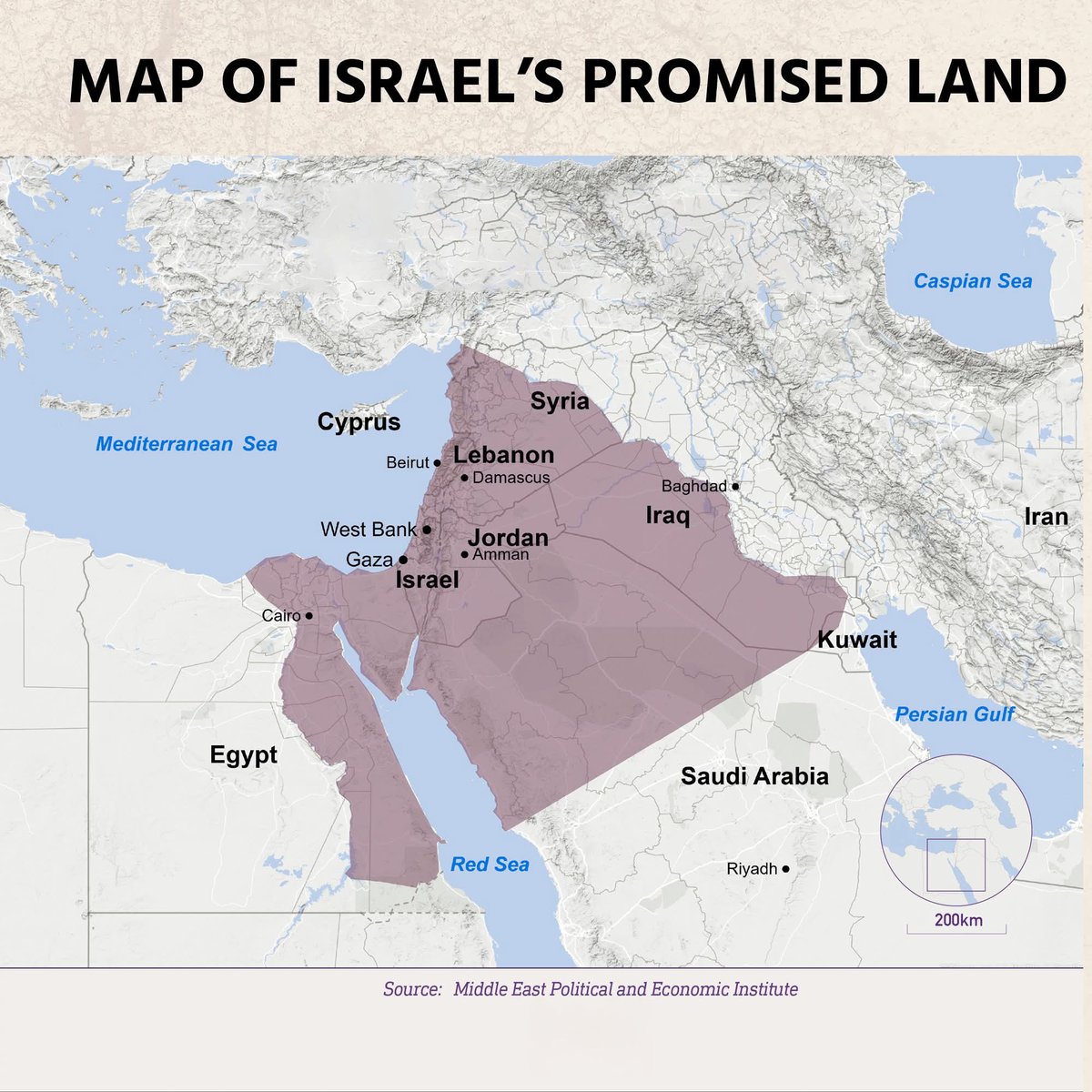
The boundaries of the Promised Land are subject to diverse interpretations within different religious and historical texts. Some traditions delineate borders that stretch from the Nile Delta in Egypt to the Euphrates River, while others specify a more limited territory centered around modern-day Israel and Palestine. Scholars and theologians continue to debate these borders, often influenced by political and cultural perspectives. The ambiguity over its precise borders fuels ongoing discussions about sovereignty and national identity within the region.
3. The Land of Milk and Honey: Symbolism and Reality
Often described as a “land flowing with milk and honey,” this phrase captures the idealized prosperity and fertility associated with the region. While biblical descriptions evoke a paradise-like abundance, contemporary realities reveal a complex landscape marked by fertile agricultural zones, urban centers, and ongoing conflicts. The phrase symbolizes hope and promise to communities living there, reflecting both its spiritual significance and the economic potential of its lands.
4. Political and Cultural Significance in 2025
In 2025, the “Promised Land” remains at the heart of geopolitical debates. Its religious importance fuels national aspirations for Israel, while Palestinians emphasize their historical ties and claims to the same territory. The region continues to be a focal point of international diplomacy, with efforts aimed at fostering peace and coexistence amidst persistent tensions. Societies worldwide harbor diverse viewpoints, often influenced by religious beliefs, historical interpretations, and current political developments.
5. Modern Challenges and Ongoing Conflicts
Despite its symbolic significance, the territory faces numerous contemporary challenges. Ongoing conflicts between Israel and Palestine, disputes over settlements, and issues surrounding religious sites continue to dominate headlines. Navigating these complexities demands sensitive diplomacy, acknowledging the deep-rooted historical and religious claims from all sides. The land’s significance to billions transcends political boundaries, making peace efforts both vital and challenging.
6. Cultural and Religious Heritage Preservation
Efforts to preserve the region’s rich cultural heritage are ongoing, with numerous archaeological excavations, religious studies, and cultural initiatives. Sacred sites like Jerusalem’s Old City and the Western Wall attract millions of pilgrims annually, emphasizing its spiritual importance. Protecting these sites amid political tensions remains a priority for faith communities and international organizations dedicated to maintaining religious coexistence.
Closing Thoughts
The “Promised Land” remains a powerful symbol of faith, identity, and hope in 2025. Its history and religious significance continue to influence the lives of millions and shape the political landscape of the Middle East. As the region navigates modern challenges, the enduring quest for peace and understanding persists, rooted in centuries of tradition and shared human desire for stability and harmony.
Disclaimer: This overview is based on historical and religious sources and is shared for informational purposes. It does not reflect personal opinions or political stances.
 ChatGPT
 Perplexity
 Gemini AI
 Grok AI