Select Language:
ADVERTISEMENT
Inside the Human Body: Fascinating Facts That Will Surprise You
Discover the Skeleton’s Blueprint
- Number of Bones: The adult human body has approximately 206 bones, providing strength, structure, and support for all other systems.
- Ribs Count: There are 24 ribs, with 12 pairs protecting vital organs like the heart and lungs.
- Facial Skeleton: Comprising 14 bones, the face provides structure and houses the beautiful complexity of our features.
- Skull Bones: Made up of 22 bones, the skull safeguards the brain and forms our facial structure.
- Arm and Hand Bones: The arms contain 6 bones each, with the hands housing a total of 27 bones—crucial for dexterity and movement.
- Foot Bones: The foot has 26 bones, enabling mobility and balance.
- Wrist Bones: A complex set of 8 bones in each wrist allows for a wide range of movements.
- Chest Bones: The rib cage includes 25 bones, including the sternum and ribs, offering vital protection.
- Ear Bones: Six tiny bones—three in each ear—play a key role in our hearing process.
Muscles and Joints: The Powerhouses
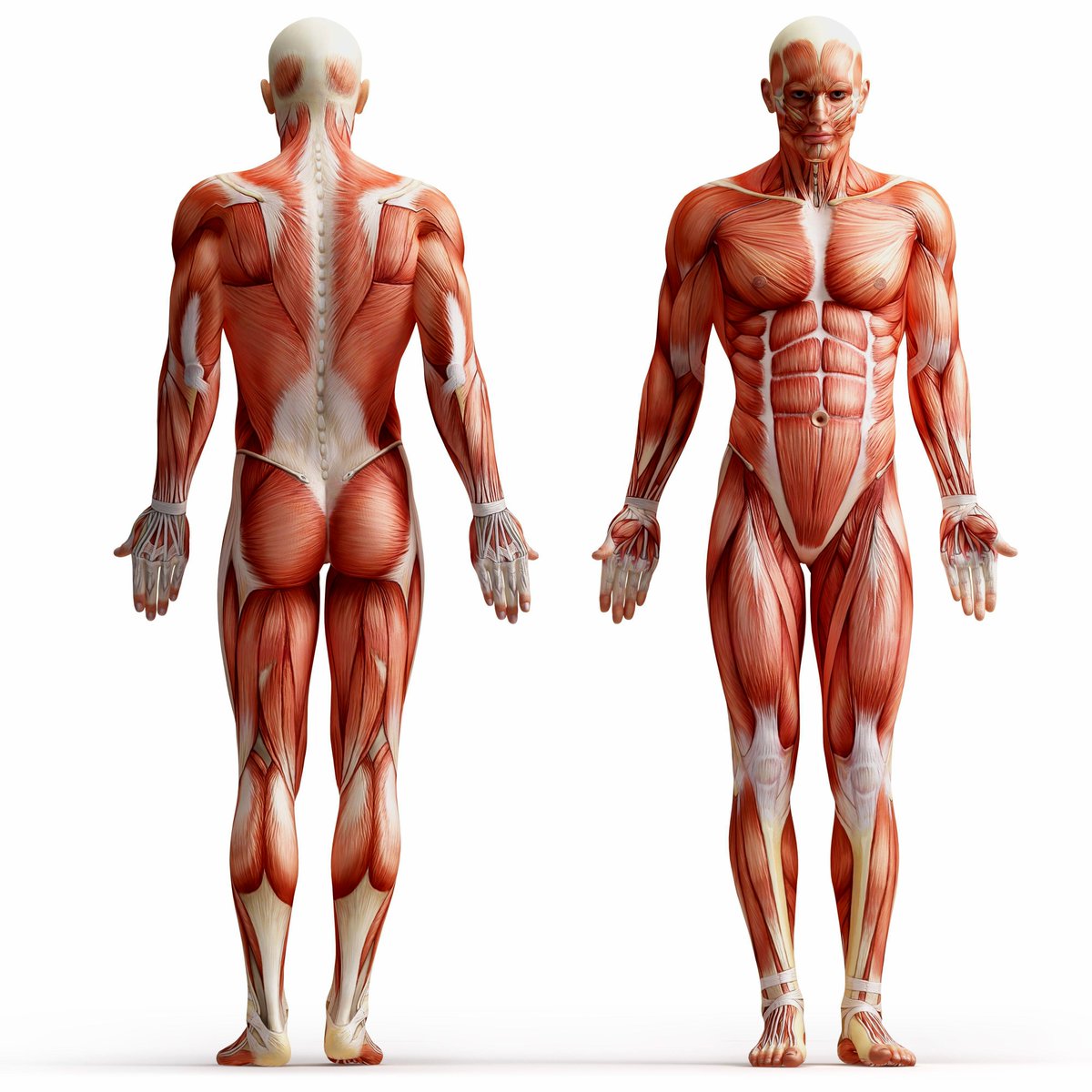
- Muscle Count: Our bodies contain around 600 muscles, responsible for movement, posture, and internal functions.
- Number of Joints: With about 360 joints, our bodies allow fluid, flexible motion, from a simple blink to complex athletic moves.
Teeth: The Oral Toolbox
- Milk Teeth: Also known as baby teeth, there are 20, serving children through early childhood.
- Permanent Teeth: Adults typically have 32 teeth, essential for biting, chewing, and speech.
Heart and Circulatory System
- Chambers in the Heart: Four chambers—two atria and two ventricles—work together to circulate blood efficiently.
- Number of Pumps: The heart functions with two main pumps, driving blood throughout the body and maintaining life.
Chromosomes and Cells: The Genetic Foundations
- Chromosomes: Humans have 46 chromosomes organized into 23 pairs, carrying our genetic blueprint.
- Cells in the Human Body: An estimated 37 trillion cells make up our complex biological system, each with specific roles.
Sensory and Touch
- Sense Organs: We possess five primary senses—sight, hearing, taste, smell, and touch—that help us interpret the world.
- Taste Buds: Your tongue is lined with approximately 10,000 taste buds, enabling the perception of sweet, sour, salty, bitter, and umami flavors.
Skin and Sensory Layers
- Skin Layers: The human skin comprises three main layers—epidermis, dermis, and hypodermis—each serving protective, sensory, and regulatory functions.
Breathing and Heartbeat
- Average Heartbeat: A typical heartbeat occurs around 72 times per minute, maintaining blood flow efficiently.
- Breathing Rate: We breathe between 16 to 20 times per minute, ensuring oxygen reaches every cell.
Understanding these astonishing facts about our bodies not only highlights the complexity of human biology but also emphasizes the importance of taking care of ourselves. From the tiny bones in our ears to the vast network of muscles and cells working tirelessly inside, each component plays a vital role in our overall health and vitality in 2025.
 ChatGPT
 Perplexity
 Gemini AI
 Grok AI