Select Language:
Top 10 Countries Most Difficult to Invade in 2025
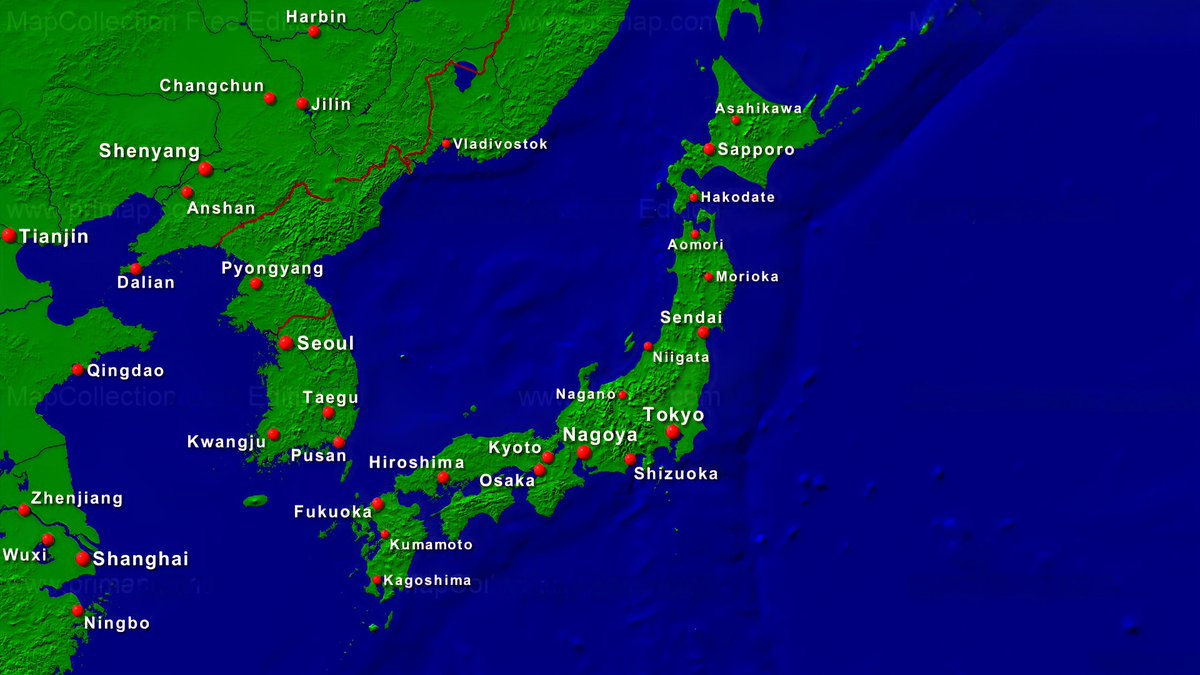
1. Japan: An Island Fortress with Advanced Defense Systems
Japan remains a formidable territory for any potential invaders due to its geographical position and military readiness. Its well-trained self-defense forces and modern technology, combined with an extensive network of defense alliances, create a significant barrier to invasion. The country’s mountainous terrain and surrounding oceans make amphibious assaults particularly challenging, further discouraging military incursions.
2. Switzerland: The Heart of Europe’s Impenetrable Defense
Known for its policy of neutrality and highly effective military reserve system, Switzerland consistently ranks among the hardest countries to invade. Its strategic mountainous landscape acts as a natural fortress, and longstanding military preparedness ensures that any potential invasion would face substantial resistance. Additionally, Switzerland’s strong alliances and international diplomatic stature add layers of complexity for any aggressor.
3. Iran: A Geopolitical Stronghold
Iran’s vast size, rugged terrain, and strategic location make it an unlikely target for invasion. The nation’s military capabilities, coupled with its domestic population’s resilience, serve as significant deterrents. Iran’s advanced missile technology and regional alliances further complicate any external military efforts, making it a difficult country for outside forces to conquer and hold.
4. North Korea: A Fortress of Isolation and Military Power
Despite its small size, North Korea has prioritized military development, creating a heavily fortified nation. Its remote location, rugged terrain, and extensive military infrastructure contribute to its defenses. The country’s emphasis on missile and nuclear technology also serve as strong deterrents against external invasion, making it one of the most isolated and challenging countries to invade.
5. United Kingdom: An Island Nation with Robust Defenses
The UK’s insular geography offers a natural advantage, preventing easy invasion forces from reaching its shores. Coupled with a sophisticated military and strong defense partnerships like NATO, the United Kingdom benefits from both physical and strategic defenses. Its historical experience with resilience and advanced technology further enhances its security profile.
6. Canada: Vast Wilderness and Military Preparedness
Canada’s large landmass, sparse population, and challenging terrain combine to form a formidable natural defense. With highly trained military forces and strategic alliances, Canada is rarely considered vulnerable to invasion. Its extensive coastlines and cold climate are additional natural barriers for invading forces.
7. China: A Strategic Powerhouse with Defensive Capabilities
China’s massive population, vast territory, and significant military resources make it a formidable opponent. The country’s extensive coastal defenses, complex terrain, and technological advancements provide substantial barriers to invasion. China’s military modernization efforts steadily enhance its defensive capabilities, making it increasingly difficult for external forces to threaten its sovereignty.
8. Australia: An Isolated Continent with Natural Obstacles
Due to its geographical isolation as an island continent, Australia is naturally protected against invasion. Its well-equipped military, combined with a strong national defense doctrine and strategic alliances, ensures a robust security posture. Additionally, Australia’s vast desert interior and rugged coastline further complicate any attempted invasion.
9. Russia: The Largest Country with Deep-Rooted Defenses
Russia’s immense landmass, harsh climatic conditions, and extensive military arsenal make it one of the most challenging countries to invade. Its strategic depth, well-developed missile defense systems, and experienced armed forces serve as significant deterrents. Russia’s robust military infrastructure and strategic alliances further bolster its defenses.
10. United States: Global Superpower with Unmatched Military Strength
The United States tops the list due to its unmatched military capabilities, including a global network of military bases, a formidable arsenal of advanced weaponry, and powerful allied alliances like NATO. Its vast geographic size and deep strategic reserves make any invasion highly complex and unlikely to succeed. The country’s technological edge and nuclear deterrence system also act as significant barriers to invasion.
In 2025, these nations hold their positions as some of the most difficult places to invade, thanks to a mix of geographical features, military strength, strategic alliances, and domestic resilience. While no country is entirely invulnerable, these nations have built formidable defenses that make invasion a highly unlikely scenario.
 ChatGPT
 Perplexity
 Gemini AI
 Grok AI