Select Language:
Forbidden Places Around the World: Locations Off-Limits to Visitors 🚫
-
Lascaux Caves, France
Hidden beneath the hills of southwestern France, the Lascaux Caves are famous for their prehistoric cave paintings dating back over 17,000 years. While the original caves attract millions of tourists, access has been permanently restricted to protect the fragile artwork. Even replicas are carefully regulated to preserve this invaluable glimpse into early human history. -
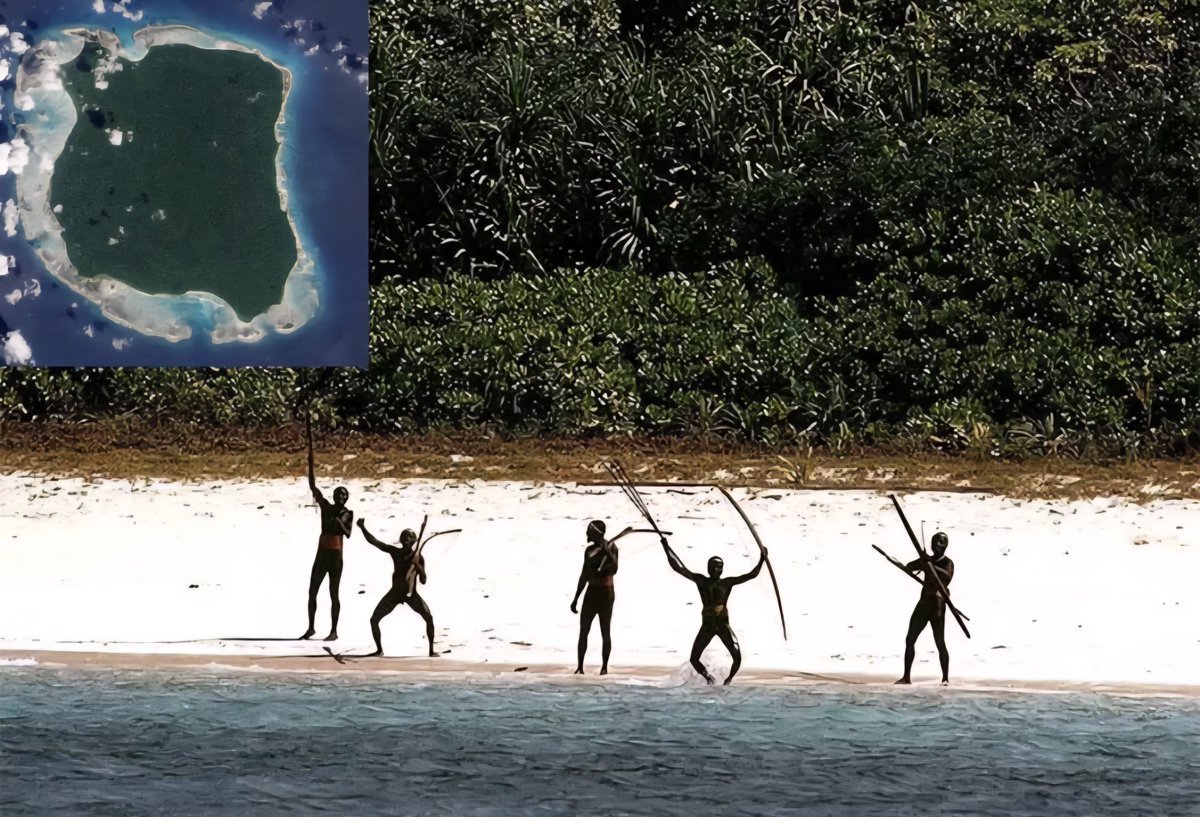
North Sentinel Island, India
Located in the Andaman Sea, North Sentinel Island is home to the Sentinelese, one of the world’s last remaining uncontacted tribes. The Indian government has prohibited entry to safeguard the tribe from external diseases and cultural disruption, making any visit to the island illegal and potentially dangerous. -
Surtsey Island, Iceland
Emerging from the ocean in 1963 due to volcanic activity, Surtsey is Iceland’s newest island. Strictly protected since then, scientists are the only individuals allowed on the island to research its unique flora and fauna. Visitors are barred to ensure the island’s untouched ecological development. -
Ise Grand Shrine, Japan
One of Japan’s most sacred Shinto sites, the Ise Grand Shrine, is rebuilt every 20 years as part of tradition. Parts of the shrine are off-limits to visitors, and access is highly restricted during certain ceremonies. The site remains a profound spiritual center, demanding respect and reverence. -
North Brother Island, USA
Once home to a hospital for quarantine and infectious disease control, North Brother Island in New York City is now abandoned. Its decay is a haunting reminder of the past, and access is restricted to protect public safety and preserve its ghostly remains. -
Dulce Base, USA
Speculations about an underground military facility known as Dulce Base have fueled conspiracy theories for decades. Though not officially confirmed, the site is rumored to house secret operations, making it one of the most guarded and off-limits locations in the United States. -
Heard Island, Australia
Located in the southern Indian Ocean, Heard Island is a remote volcanic island covered with glaciers and home to extraordinary wildlife. Due to its extreme environment and ecological sensitivity, access is highly restricted, and only approved scientific expeditions are permitted. -
Doomsday Vault, Norway
The Svalbard Global Seed Vault stores billions of seeds in case of global catastrophes. While not strictly off-limits, this highly secured facility restricts visits for security reasons. Its purpose is to safeguard plant biodiversity for future generations. -
Snake Island, Brazil
Reputed for its deadly Bothrops atrox snakes, Snake Island (Ilha da Queimada Grande) has such a high snake population that humans are forbidden from landing. Only researchers and authorized personnel can visit under strict safety protocols. -
Area 51, USA
Perhaps the most infamous clandestine military facility in the world, Area 51 is shrouded in secrecy. Its exact purpose remains classified, fueling countless UFO and alien conspiracy theories. Public access is prohibited, with security measures strictly enforced. -
Tomb of Qin Shi Huang, China
The mausoleum of China’s first emperor contains the famous Terracotta Army. While the site is open to tourists, the tomb itself remains sealed and closed for archaeological reasons and preservation purposes, with ongoing excavations carefully controlled. -
Pravcická Brána, Czech Republic
Hopeful travelers seeking the iconic natural arch of Pravcická Brána will be disappointed — it is protected as part of a national park, and climbing or unauthorized access is prohibited to safeguard its pristine beauty and geological significance. -
Niihau Island, USA
Known as the “Forbidden Island,” Niihau in Hawaii remains private and accessible only to residents and invited guests. Its small population lives a traditional lifestyle, and tourism is carefully restricted to respect their privacy and culture.
The world is filled with mysterious and protected sites that remind us of the importance of preserving history, nature, and culture. While some of these locations remain permanently off-limits to the public, they continue to fascinate and inspire curiosity — a testament to what lies beyond the reach of human exploration.
 ChatGPT
 Perplexity
 Gemini AI
 Grok AI