Select Language:
Unveiling Hidden Connections: Fascinating Facts About Madagascar and Its Unique History
1. Ancient Supercontinent Bonds: Madagascar and India Were Once One Landmass
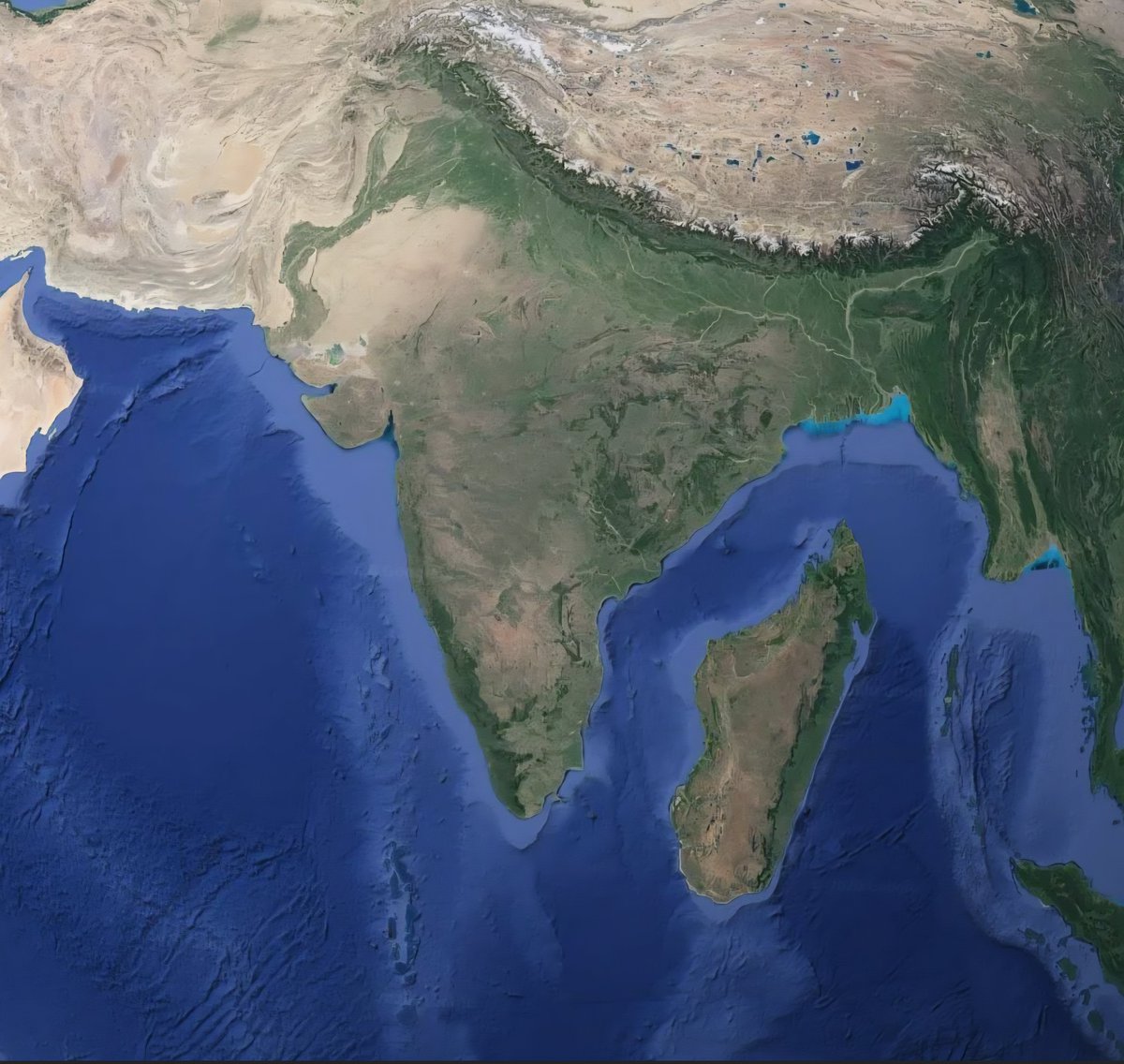
In an astonishing revelation from the geological archives, scientists have confirmed that approximately 90 million years ago, Madagascar and India shared the same giant landmass. This ancient supercontinent, known as Gondwana, once connected these two regions, setting the stage for their diverse evolutionary paths. Today, the remnants of this historic bond are visible in the unique flora and fauna that both locations share. For instance, Madagascar’s lemurs and India’s thriving tiger populations can both trace their ancient origins back to this common ancestry, offering a glimpse into Earth’s dynamic shifting landscapes eons ago.
2. Madagascar’s Biodiversity: A Living Museum of Evolution
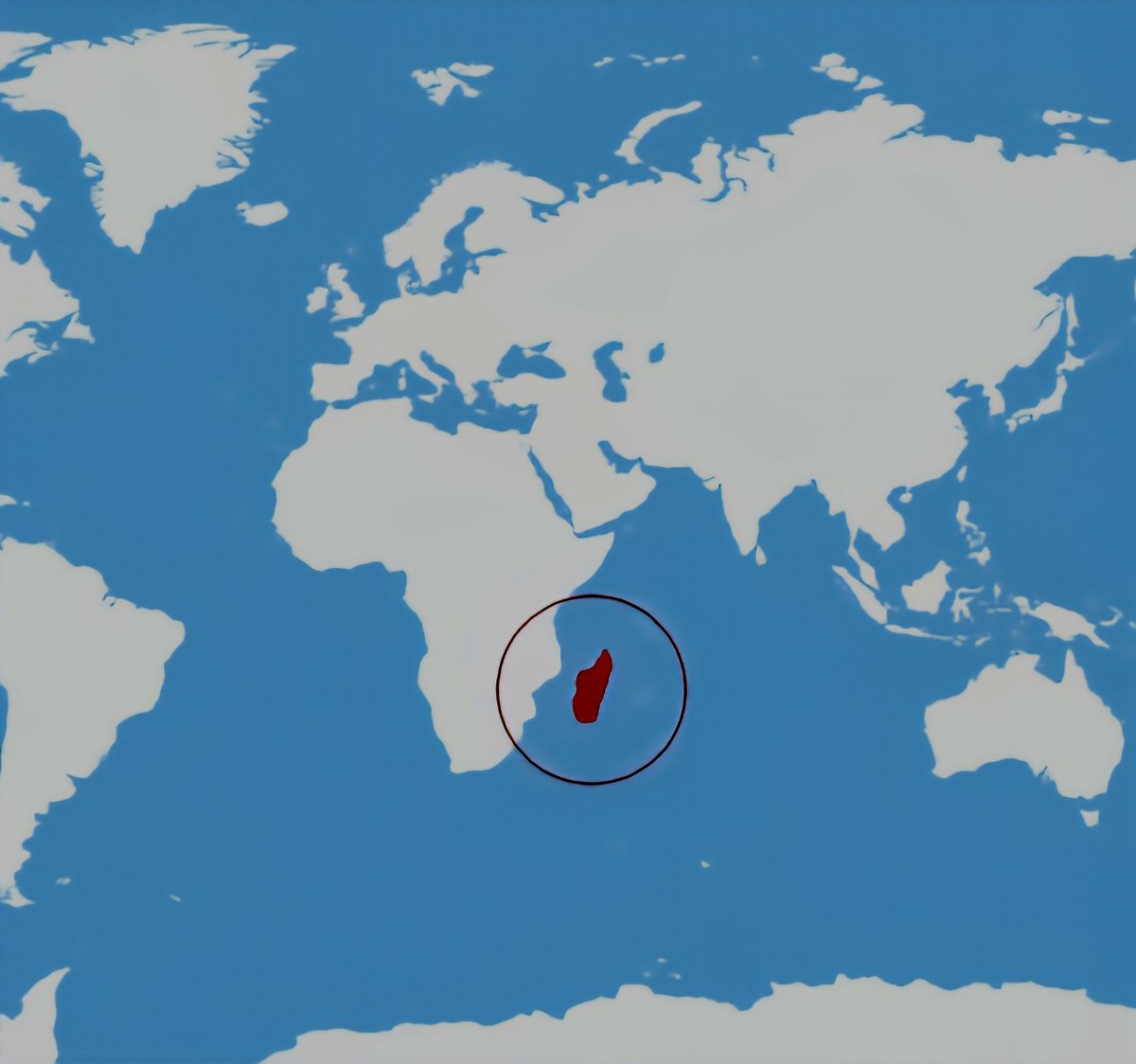
Madagascar is often called a “living museum” due to its unparalleled biodiversity. Over 90% of its plant and animal species are endemic, meaning they are found nowhere else on Earth. The island is the habitat of the iconic lemurs, chameleons, and strange, spiny plants like the noted baobab trees. Located off the southeastern coast of Africa, Madagascar’s isolated evolution has given rise to remarkable species that have adapted to its diverse ecosystems, from rainforests to deserts.
3. Historical Origins and Cultural Diversity
The human history of Madagascar is as diverse as its wildlife. The earliest settlers arrived around 1,500 years ago, primarily from Southeast Asia and Africa. This unique blend of origins has cultivated a vibrant culture characterized by distinctive music, dance, and traditional beliefs. Malagasy tribes still practice ancient rituals that incorporate elements from their Asian ancestors, making Madagascar a melting pot of different cultural influences rooted in centuries-old migrations.
4. Environmental Challenges and Conservation Efforts
Despite its ecological riches, Madagascar faces serious environmental threats. Deforestation, driven by slash-and-burn agriculture and illegal logging, continues to threaten its unique ecosystems. Environmental organizations worldwide are actively working to combat these issues through conservation programs that aim to preserve endangered species and protect remaining forests. Initiatives include community-based conservation projects and eco-tourism that both support local economies and promote environmental stewardship.
5. Economy and Natural Resources: More Than Just Tourism
Madagascar’s economy relies heavily on agriculture, mining, and increasingly, eco-tourism. Its mineral wealth includes sapphires, nickel, and graphite, making it an important player in the global resource market. However, sustainable development remains a significant challenge, with efforts underway to balance economic growth with environmental conservation. The tourism industry also plays a vital role by attracting visitors eager to experience its unique landscapes and wildlife, further incentivizing the preservation of its natural heritage.
6. Modern Discoveries and Scientific Research
Advances in DNA analysis have continually expanded our understanding of Madagascar’s ancient connections to India and other Gondwanan remnants. Recently, researchers uncovered fossil evidence and genetic links that reinforce the theory of Madagascar’s area being part of a larger prehistoric supercontinent. These efforts are pivotal in understanding how continental drift shaped the distribution of life on Earth, influencing ecological and evolutionary processes in the modern era.
7. The Future of Madagascar: Challenges and Opportunities
Looking ahead to 2025, Madagascar stands at a crossroads. Its rich natural legacy offers opportunities for sustainable development, increased eco-tourism, and scientific research. However, urgent action is necessary to mitigate ongoing environmental threats. International collaborations and local community efforts are key to safeguarding Madagascar’s biodiversity. Empowering indigenous populations and implementing eco-friendly policies are crucial steps in ensuring that this island paradise continues to thrive for generations to come.
8. A Fun Fact to Remember
Did you know? Around 90 million years ago, Madagascar and India were fused into a single landmass. This fascinating fact underscores the deep geological history that ties these distant lands together and highlights the importance of understanding our planet’s ancient past to appreciate its present biodiversity.
In Summary
Madagascar’s story is woven with threads of ancient continental shifts, vibrant biodiversity, and cultural richness. As scientists continue to piece together Earth’s geological past, Madagascar remains a living testament to ancient supercontinents and evolving ecosystems. Protecting its natural treasures is more than a necessity—it’s a global responsibility that ensures future generations can marvel at its unique heritage.
 ChatGPT
 Perplexity
 Gemini AI
 Grok AI