Select Language:
The Most Lethal Animals on Earth: A Closer Look at Human Fatalities in 2025
In the world of wildlife, some creatures are much more dangerous to humans than we might expect. Despite their small size or perceived harmlessness, certain animals are responsible for more deaths each year than many might guess. As of 2025, a comprehensive analysis reveals which animals are the deadliest and how they contribute to global mortality rates.
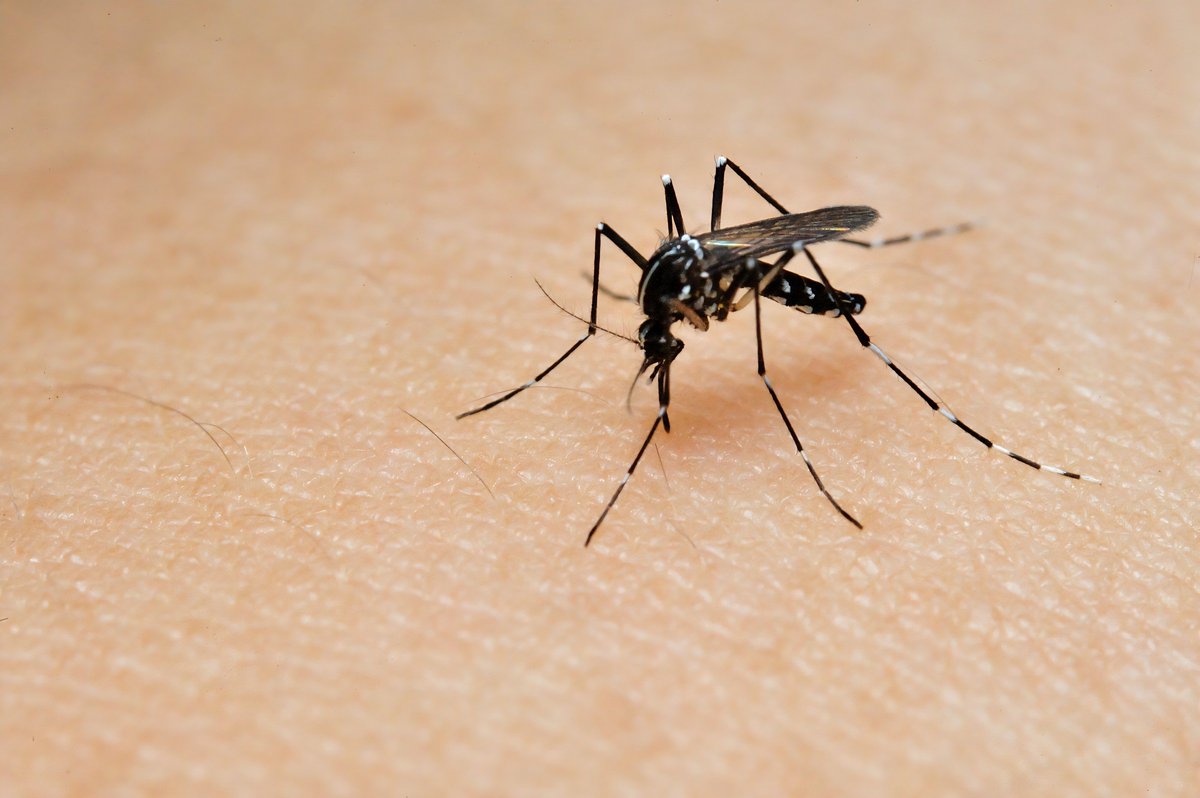
Mosquitoes: The Silent Killers
Image Source: Twitter
Leading the list are mosquitoes, responsible for approximately 780,000 human deaths annually. These tiny insects are vectors for deadly diseases such as malaria, dengue fever, Zika virus, and chikungunya. What makes mosquitoes especially lethal is their widespread prevalence and ability to transmit pathogens rapidly across continents. Efforts to control mosquito populations and develop effective vaccines remain a top priority in global health initiatives.
Humans: A Surprising Tragedy
While it might seem counterintuitive, humans themselves are the second deadliest “animal,” causing roughly 546,000 fatalities each year. This figure encompasses homicides, wars, suicides, and accidents. Human conflict and violence remain a significant concern worldwide, emphasizing the importance of peace-building and mental health efforts.
Venomous Snakes: Deadly Encounters
Snakes claim approximately 75,000 lives annually. Venomous species like cobras, vipers, and taipans pose a significant threat, especially in rural areas lacking immediate medical access. Snakebite envenomation causes severe tissue damage and can be fatal if untreated. Public education and accessible antivenom treatments are vital to reducing snakebite mortality.
Sandflies: Unseen Threats
Responsible for around 14,000 deaths each year, sandflies are notorious carriers of leishmaniasis, a parasitic disease affecting millions globally. Often active at night, sandflies thrive in tropical and subtropical regions, making their bites particularly dangerous for vulnerable populations.
Domestic Dogs: A Man’s Best Friend with a Dark Side
Dogs account for roughly 13,000 fatalities annually due to rabies transmission and attacks. Rabies remains a fatal disease once symptoms develop, underscoring the importance of vaccination programs for dogs and public awareness campaigns about rabies prevention.
Freshwater Snails: The Hidden Killers
Freshwater snails are responsible for approximately 10,000 deaths each year by transmitting schistosomiasis, a debilitating parasitic disease prevalent in parts of Africa, South America, and Asia. Controlling snail populations and improving sanitation are critical strategies in combating this disease.
Kissing Bugs: The Bedbug’s Deadliest Relative
Kissing bugs cause about 7,000 deaths annually through the transmission of Chagas disease. Often active at night, these insects can go unnoticed, making eradication efforts challenging. Improved insect control and public health education are necessary to prevent infections.
Roundworms and Tapeworms: Parasite Powerhouses
Roundworms and tapeworms contribute to around 5,000 and 1,000 deaths respectively each year. These parasitic worms affect millions, especially in developing regions, leading to malnutrition, anemia, and other severe health issues.
Scorpions and Flies
Scorpions lead to roughly 3,500 deaths annually, mainly due to their potent venom. Tsetse flies, vectors for sleeping sickness, account for about 2,300 fatalities, particularly in sub-Saharan Africa. Both provide reminder of how small creatures can have large impacts on health.
Large Predators: Crocodiles, Lions, and Elephants
While their numbers are smaller, crocodiles and lions still cause around 100 deaths each year. Elephants and the hippopotamus are less deadly but still responsible for fatalities, mainly through accidents or territorial aggression.
The Bottom of the List: Bees, Tigers, Jellyfish, and Wolves
- Bees cause around 60 deaths, primarily through allergic reactions.
- Tigers and jellyfish result in about 50 and 40 deaths respectively.
- Wolves and sharks are responsible for fewer fatalities, with only 10 and 4 deaths annually, but their attacks still capture global attention.
This data underscores how varied and sometimes unexpected the deadliest animals can be. Understanding these risks is essential for public health planning and wildlife management. While some dangers are preventable through vaccination and education, others require ecological and environmental strategies. Staying informed and prepared remains key in reducing the toll animals take on human lives.
Source: Our World in Data (2016)
Note: To visually emphasize the threat levels, refer to the image at the top of the article showcasing some of these animals.
 ChatGPT
 Perplexity
 Gemini AI
 Grok AI