Select Language:
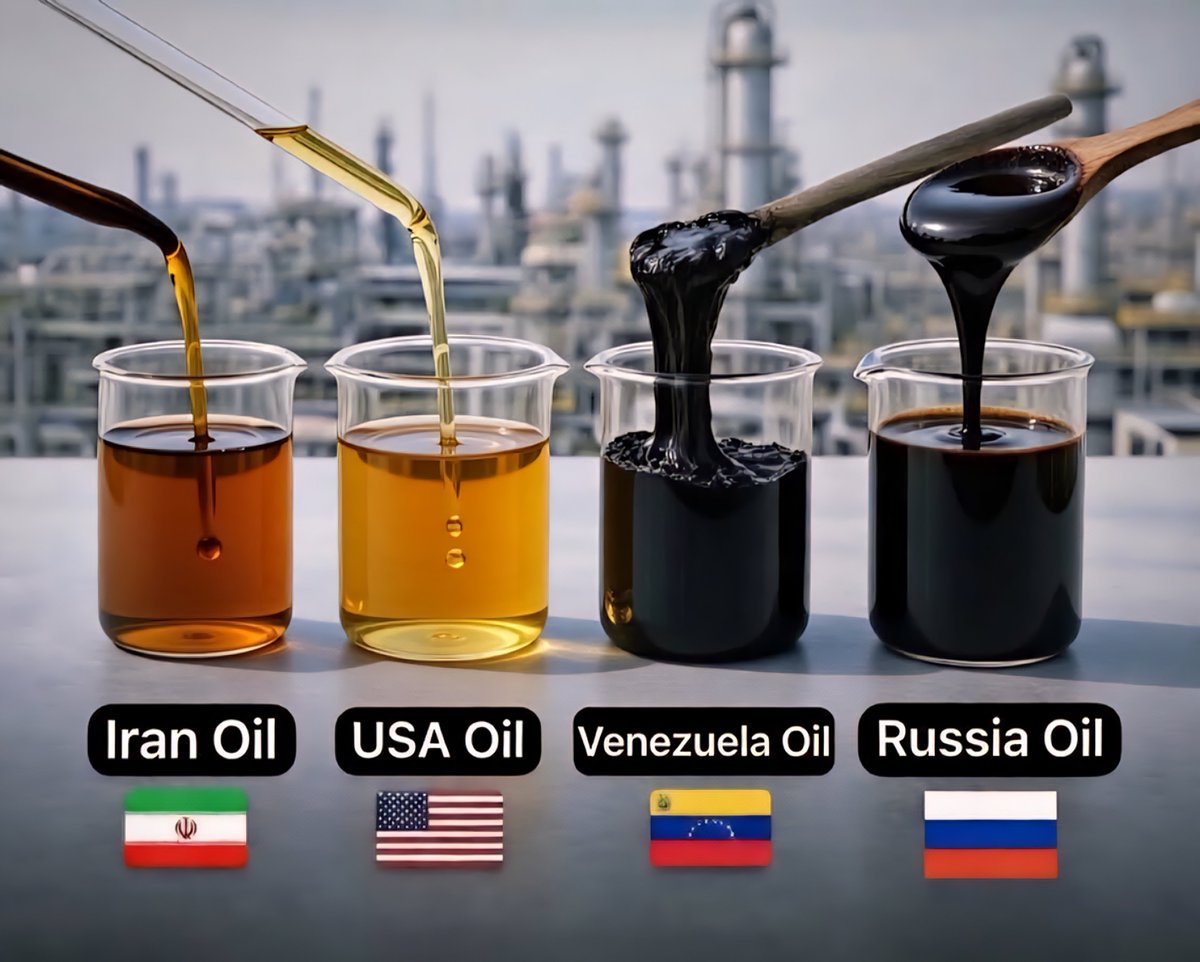
Top Crude Oil Types and Their Impact on Refining in 2025
1. US WTI Crude Oil: Light, Sweet, and Highly Refined
- API Gravity: 39–41 degrees
- Characteristics: Light sweet crude oil known for its ease of refining. It has a low sulfur content of about 0.24%.
- Refining Efficiency: Thrives in producing high yields of gasoline and jet fuel, making it a favorite among U.S. refiners and global markets.
- Market Influence: As the benchmark crude in the U.S., WTI plays a pivotal role in setting prices across North America and influences global oil trends.
2. Iranian Light Oil: A Middle Ground
- API Gravity: 33–36 degrees
- Characteristics: Medium-light crude oil with a sulfur level around 1.5%.
- Refinery Compatibility: Its composition makes it versatile, compatible with many refineries worldwide, especially in Asia and Europe.
- Geopolitical Significance: Ongoing geopolitical tensions surrounding Iran shape global supply and influence oil prices significantly. Iran’s crude serves as a flexible option amid market volatility.
3. Russian Urals: The Middle Sour Grade
- API Gravity: 30–32 degrees
- Characteristics: Medium sour crude with roughly 1.6% sulfur.
- Processing Requirements: Needs additional processing and desulfurization, increasing refining costs.
- Economic Impact: Russia is a major exporter, and any disruptions—whether due to sanctions or geopolitical conflicts—impact global markets due to the widespread use of Urals crude.
4. Venezuelan Heavy Crude: Thick and Complex
- API Gravity: 15–16 degrees
- Characteristics: Heavy, tar-like crude with very high sulfur content.
- Refining Challenges: Its thick nature requires complex refining methods, which are not suited for most standard refineries.
- Market Dynamics: Venezuelan oil’s quality and political landscape often cause fluctuations in its availability and pricing on the international stage.
Crude Oil Classification Simplified
- Light Crude: API above 31°, easier to refine, yields more gasoline.
- Medium Crude: API 22–31°, standard in many refineries.
- Heavy Crude: API below 22°, complex to refine, produces less gasoline and more residual products.
Critical Insights for the Oil Market in 2025
Light Oil Means Higher Profits
Higher API gravity indicates lighter oil, which is easier and cheaper to refine, resulting in higher profit margins for refineries. The U.S. WTI exemplifies this trend, dominating the market due to its quality and refining ease.
Iran’s Unique Position
Iran’s crude oil, sitting between ultra-light U.S. shale oil and heavy Venezuelan grades, offers broad compatibility with international refineries. This middle-ground quality makes Iranian crude a strategic asset, especially as global supply chains face geopolitical uncertainties.
The Strait of Hormuz’s Strategic Role
Most of the world’s medium-grade crude is transported through the Strait of Hormuz. Any disruption here—whether due to political tensions or military conflicts—forces refineries to adapt, often by shifting to heavier or lighter substitutes. Such shifts can reduce refinery efficiency and significantly impact profit margins.
Impacts of Geopolitical Tensions
Many Asian and European refineries are built around Middle Eastern medium-grade crude like Iranian and Arab exports. Disruptions in supply or sanctions can cause ripple effects across the global refining industry, influencing market prices and supply stability.
Oil Quality Shaping Global Politics
As the global economy increasingly depends on specific qualities of crude oil, the geopolitical influence of oil-rich regions intensifies. Control over certain grades of crude isn’t just about energy; it’s about political leverage, economic stability, and market dominance.
The fluctuating qualities of global crude oils continue to influence refining strategies, international relations, and market prices in 2025. As new innovations emerge and geopolitical events unfold, understanding the nuances of crude oil quality remains more critical than ever in forecasting the future of global energy.
 ChatGPT
 Perplexity
 Gemini AI
 Grok AI