Select Language:
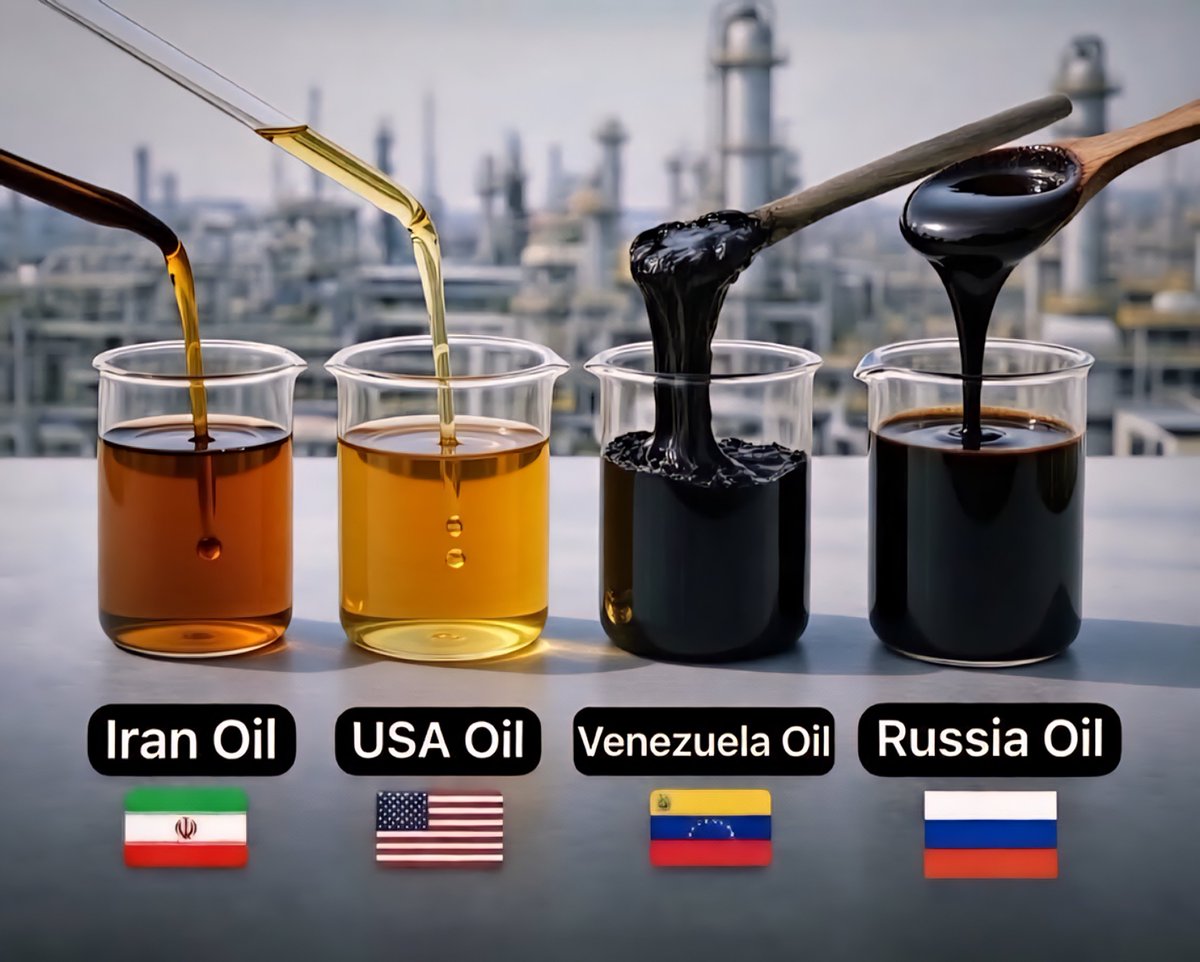
Top Crude Oil Types in 2025: What Makes Them Unique and Their Impact on Refining
1. The United States’ WTI Crude: The Lightest and Most Refined
The benchmark for U.S. crude oil, West Texas Intermediate (WTI), boasts an API gravity of 39–41°, classifying it as a very light, sweet crude. Known for its high quality, WTI is exceptionally easy to refine, translating to higher yields of gasoline and jet fuel. Its low sulfur content makes it a favorite among refineries, enhancing efficiency and profitability. With abundant production, WTI continues to dominate global markets, influencing prices and refining strategies worldwide.
2. Iran’s Light Crude Oil: A Versatile Middle Ground
Iran’s “Iran Light” has an API range of 33–36°, positioning it as a medium-light crude. Its composition makes it highly compatible with many refining facilities across the globe, which are typically optimized for medium-light grades. Iran Light offers a strategic advantage because it balances ease of processing with sufficient complexity to create diverse petroleum products. This adaptability boosts Iran’s influence in the international oil market, especially amidst sanctions and geopolitical shifts.
3. Russia’s Urals: The Middle of the Pack
Urals crude from Russia has an API gravity of 30–32°, classifying it as medium sour crude. It requires more extensive processing compared to lighter oils, demanding more sophisticated refining techniques to produce high-quality fuels. Russia remains a key player in the global oil landscape, with its Urals grade often serving as a benchmark for medium-grade crude pricing. The varying quality of Urals can impact refinery configurations and margins, particularly when market dynamics shift.
4. Venezuela’s Heavy Crude: The Challenging Giants
Venezuela’s Merey and Orinoco oils are heavy crudes with an API of just 15–16°, describing them as thick, tar-like substances. Their complex compositions necessitate advanced refining processes, often involving additional steps such as coking or blending with lighter oils. Heavy crude like Venezuela’s can be less economical to process but is a significant part of global supply, especially during market tightness or regional disruptions. This grade’s processing complexity influences regional refining capacity and geopolitical considerations.
Key Insights that Shape the Global Oil Market
Higher API Gravity Means Lighter Oil, Easier Refining, and Bigger Profits
Lighter oils—like WTI—are easier and cheaper to refine, yielding higher profits. Conversely, heavier oils require more complex refining infrastructure, increasing costs but often yielding lucrative heavy products or bitumen.
Iran’s Oil is a Strategic Middle Ground
Sitting between ultra-light U.S. shale oil and heavy Venezuelan crude, Iran Light is surprisingly compatible with many refining facilities worldwide. This versatility provides Iran with significant leverage in markets despite sanctions.
The Strategic Importance of the Strait of Hormuz
A crucial choke point, the Strait of Hormuz, transports a large share of medium-grade crude. Disruptions here could force refineries to turn to less ideal, heavier, or ultra-light substitutes, cutting into efficiency and profits. Such geopolitical tensions remain central to global supply stability.
Oil Quality Drives International Politics
While often overlooked, the quality and type of crude oil influence international relations and market strategies more than most realize. Countries with abundant high-quality crude wield significant influence, while disruptions in key grades can ripple through the global economy, affecting prices, refining operations, and geopolitical alliances.
In the evolving landscape of 2025, understanding the nuances of crude oil quality offers critical insight into market dynamics, refining operations, and geopolitical strategies. As producers and consumers adapt to shifting supply chains and geopolitical tensions, crude oil grades remain at the heart of global energy politics.
 ChatGPT
 Perplexity
 Gemini AI
 Grok AI