
Select Language:
Exploring the Global Culture of Honking: A 2025 Perspective
1. The Role of Honking as a Communication Tool
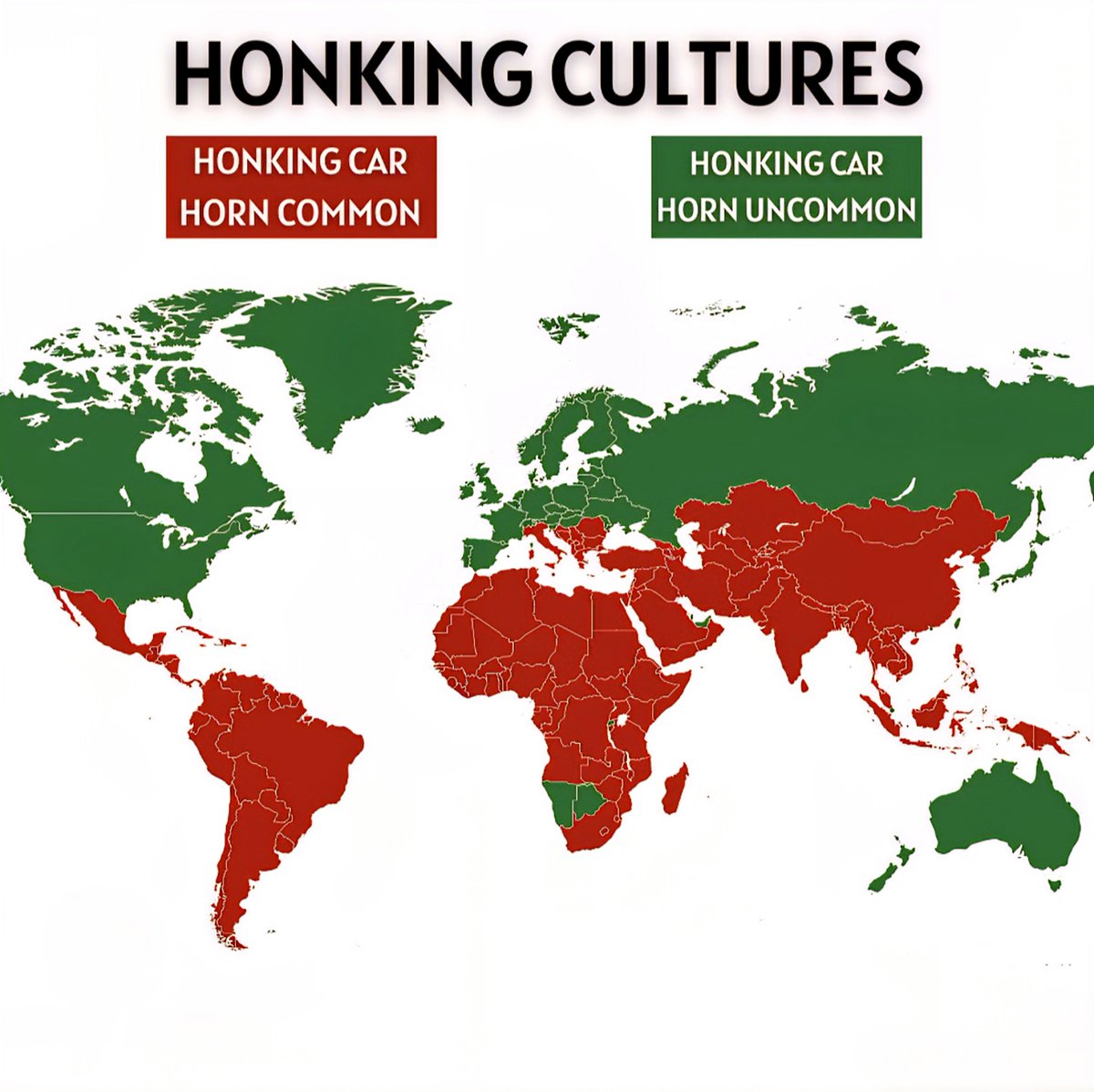
Across different countries, honking isn’t just noise; it’s a vital form of communication on the road. In many areas, drivers use honking to alert others of their presence, especially in heavy traffic or during tight maneuvers. For instance, in busy Indian cities like Mumbai or Delhi, honks are almost constant, functioning as a street symphony. In contrast, American drivers tend to honk less frequently, reserving it for urgent situations, to convey frustration, or to warn others of imminent danger. These differing cultural attitudes highlight how honking serves not only as a warning but also as a social cue.
2. Honking as a Sign of Frustration or Anger
In numerous countries, frequent honking is often associated with driver impatience or road rage. For example, in South Korea, honking can sometimes be a display of irritation, especially during rush hour traffic jams in Seoul. Similarly, in European cities like Paris or Rome, honking can be a way for drivers to vent their frustration when stuck in congestion or dealing with reckless drivers. While some view honking as a helpful signal, excessive honking is increasingly criticized for contributing to noise pollution and emotional stress on the roads.
3. Cultural Specifics: When and How People Honk
Honking customs vary significantly based on cultural norms. In the Philippines, for example, drivers honk politely to acknowledge pedestrians or to signal their presence rather than to express annoyance. Conversely, in the United States, honks are often louder and more abrupt, especially when communicating disapproval or alerting another driver of aggressive driving. In Japan, honking is rare, as pedestrians and drivers tend to rely on non-verbal cues and strict traffic discipline rather than loud signals. These differences reflect diverse driving cultures and levels of road etiquette.
4. Legal Regulations and Restrictions on Honking
Many nations are now taking measures to curb unnecessary honking due to its impact on noise pollution and mental health. For instance, several Indian cities have enacted strict laws banning honking in residential and commercial zones during certain hours. Similarly, European countries like Spain and Germany have regulations limiting honking unless necessary—such as during emergencies or to prevent accidents. Los Angeles and New York impose fines for unnecessary honking, promoting a calmer driving environment. These policies aim to strike a balance between effective communication and reducing urban noise levels.
5. The Impact of Honking on Urban Noise Pollution
The cumulative effect of honking contributes significantly to urban noise pollution, which has been linked to health issues such as stress, sleep disturbances, and even cardiovascular problems. In 2025, cities worldwide are investing in smart traffic management systems to minimize the need for honking. Technologies like AI-powered traffic lights, automated vehicle communication, and silent horns are gradually replacing traditional honks. Public awareness campaigns also emphasize courteous driving and discourage excessive honking, aiming to improve residents’ quality of life.
6. Future Trends: Technology and Etiquette Changes
As transportation continues to evolve, so does the way drivers communicate on the road. Electric vehicles and autonomous cars are entering the mainstream, reducing the need for honking through advanced sensor systems and computer algorithms. Moreover, apps and car interfaces are being designed to replace honks with visual signals or notifications. Cities are also fostering a culture shift, promoting patience and understanding among drivers through campaigns and educational programs to reduce unnecessary honking. The goal is a future where honking becomes a seldom-used tool, reserved for genuine emergencies.
7. Honking in Popular Culture and Media
Honking has found its way into movies, music, and social media, often highlighted humorously or critically. Viral videos of city traffic jams showcasing incessant honking can both entertain and serve as social commentary. In pop culture, honking signals emotions—from humorous road rage posts to poignant scenes emphasizing chaos and congestion. This spotlight on honking not only reflects its ubiquity but also sparks conversations about respectful driving habits worldwide.
In summary, honking remains a universal yet culturally nuanced aspect of road communication in 2025. While it serves important functions—from warning to social signaling—the ongoing efforts to regulate and modernize honking practices reveal a global desire for quieter, more respectful urban environments.
 ChatGPT
 Perplexity
 Gemini AI
 Grok AI