Select Language:
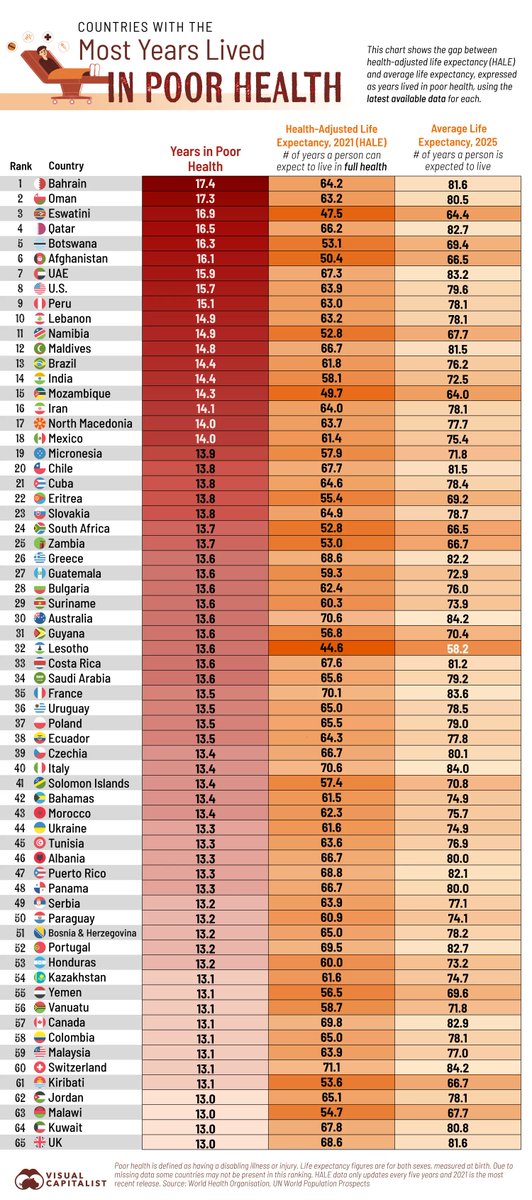
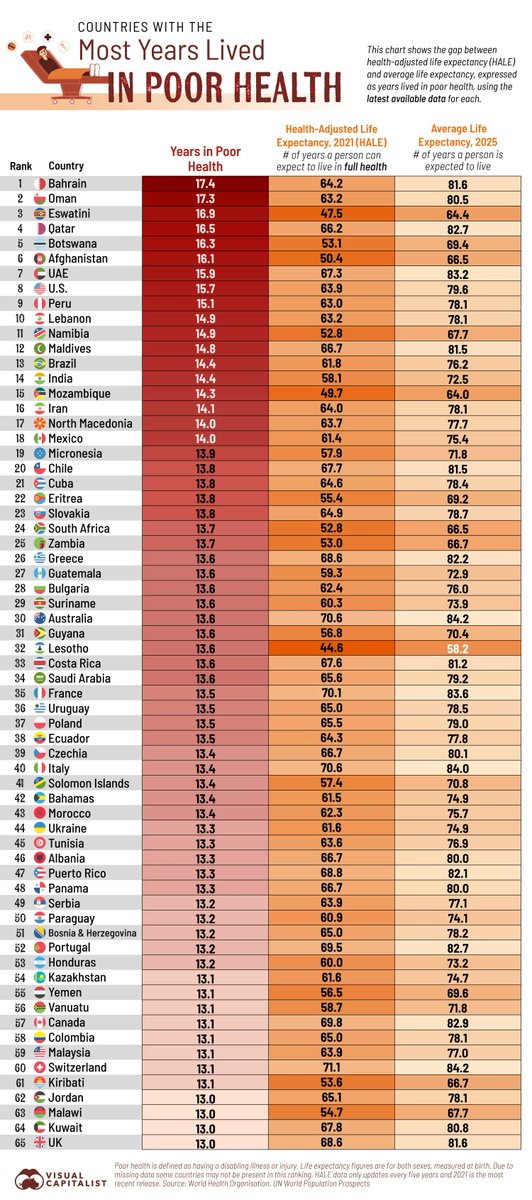
Countries Facing the Longest Battles with Poor Health
![Image of a healthcare worker caring for a patient]https://pbs.twimg.com/media/G4SFzGhXEAA_nOm.jpg
1. India: A Continual Struggle with Health Inequities
India remains one of the countries where residents spend a significant portion of their lives battling poor health. Despite impressive economic growth and advancements in medical infrastructure, a substantial segment of the population still faces chronic illnesses, limited access to quality healthcare, and high rates of infectious diseases. Factors such as malnutrition, lack of health education, and disparities between urban and rural regions contribute heavily to this extended period spent in poor health.
2. Nigeria: An Ongoing Battle Against Disease and Healthcare Gaps
In Nigeria, health challenges persist due to a combination of poverty, insufficient healthcare facilities, and frequent outbreaks of preventable diseases. Many Nigerians experience years in poor health, primarily due to inadequate access to essential services like immunizations and maternal health care. The country also faces high rates of infectious diseases such as malaria and tuberculosis that prolong suffering and complicate recovery.
3. Bangladesh: Rates of Ill Health Outpacing Healthcare Improvements
While Bangladesh has made commendable progress in reducing child mortality and improving life expectancy, many residents continue to endure extended periods of poor health. This is linked to unavailability of advanced medical care in rural areas, persistent malnutrition, and the prevalence of infectious diseases. The struggle to ensure equitable healthcare access means many spend years with untreated or poorly managed health conditions.
4. Pakistan: Social and Economic Barriers Affecting Health Outcomes
Pakistan remains on the list of countries with prolonged health challenges. The country’s health system faces issues such as limited infrastructure, shortages of trained medical personnel, and gender disparities in healthcare access. As a result, many Pakistanis, especially women and children, experience extended durations of illness, often due to preventable diseases and inadequate treatment options.
5. Afghanistan: The Impact of Conflict on Healthcare Services
Years of ongoing conflict and political instability have severely crippled Afghanistan’s healthcare system. Many people suffer from malnutrition, untreated infections, and chronic illnesses, with years spent in poor health due to limited access to essential healthcare services. The disruption of healthcare infrastructure and shortages of medical supplies further compound these issues, especially for vulnerable populations.
6. Haiti: A Long Road to Better Health Amid Economic Challenges
Haiti remains one of the poorest countries in the Western Hemisphere, facing persistent health issues that contribute to a long duration of poor health among its population. The country struggles with limited healthcare infrastructure, recurring epidemics, and high infant mortality rates. These challenges mean many Haitians spend years battling preventable illnesses and conditions that could otherwise be managed effectively.
7. Yemen: War-Torn Nation with an Overburdened Healthcare System
Yemen’s decades-long conflict has decimated its healthcare infrastructure, leading to prolonged periods where the population remains in poor health. Chronic malnutrition, infectious diseases, and the lack of basic medical supplies result in many Yemenis experiencing extended suffering. Access to health services is severely limited, prolonging recovery times and contributing to an overall decline in population health.
8. Ethiopia: Disparities and Disease Burden Continue to Pose Challenges
Ethiopia faces significant obstacles, including widespread poverty and health disparities, which keep many in a state of poor health for years. The prevalence of communicable diseases, maternal health issues, and inadequate health facilities especially in rural areas mean a substantial portion of the population remains in poor health for extended periods.
9. Democratic Republic of Congo: Endemic Diseases and Healthcare Deficiencies
The Democratic Republic of Congo suffers from ongoing conflict, which makes healthcare access difficult for many of its citizens. Malaria, Ebola, and other infectious diseases contribute to long-term health issues. The healthcare infrastructure is underfunded and overwhelmed, leading to prolonged periods of poor health for many Congolese residents.
10. Haiti, Afghanistan, and other vulnerable nations
Countries with ongoing conflict, political instability, or extreme poverty often find it difficult to deliver adequate health services, causing residents to stay in poor health for prolonged periods. Investment in health infrastructure, education, and economic development remains crucial to reducing these extended health struggles in the years ahead.
The ongoing global challenges in healthcare access, infrastructure, and socioeconomic disparities continue to influence which nations see the longest durations in poor health among their populations. Addressing these issues requires a coordinated international effort to build resilient health systems, improve health education, and promote economic stability to reduce the years spent in poor health worldwide.
 ChatGPT
 Perplexity
 Gemini AI
 Grok AI