Select Language:
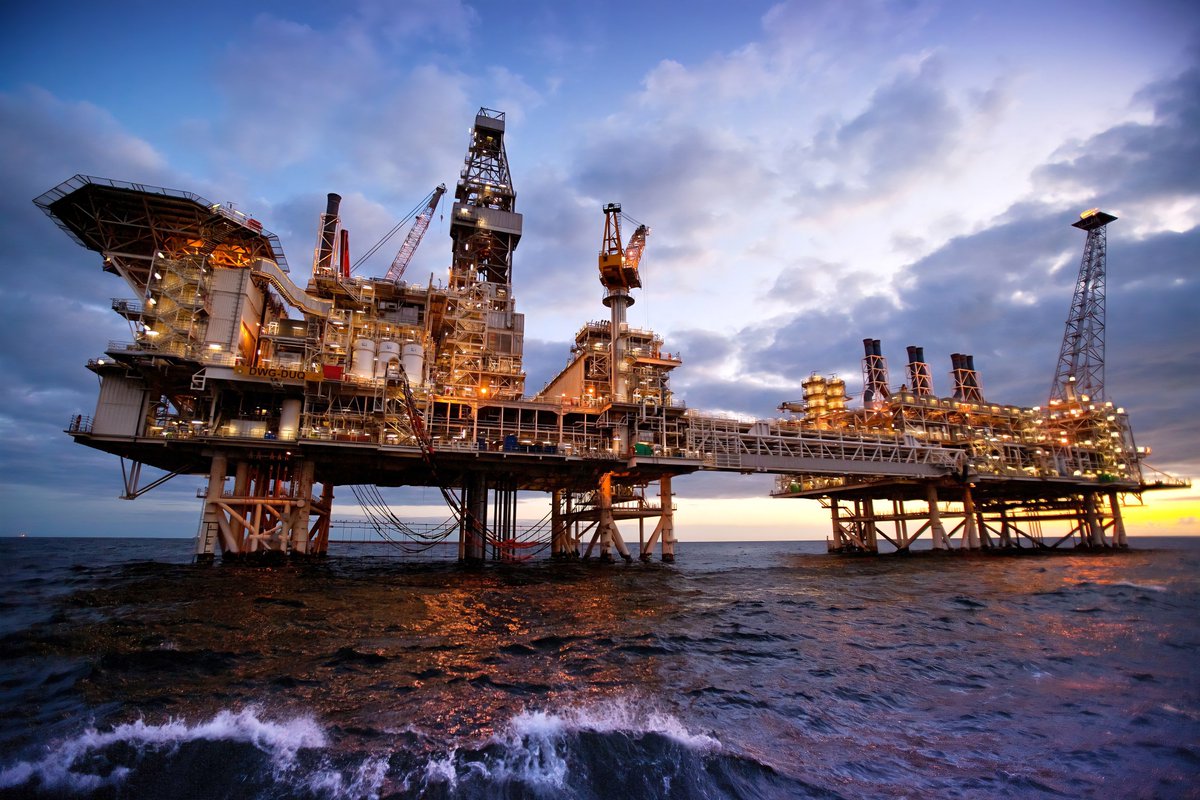
Top Countries with the Largest Proven Natural Gas Reserves in 2025
Russia Continues to Lead Global Natural Gas Reserves
Russia retains its position as the world’s most resource-rich country in terms of proven natural gas reserves, boasting an impressive 47,798 km³. This vast amount accounts for a significant portion of the global supply, underpinning Russia’s strategic importance in worldwide energy markets. The country’s extensive reserves not only support its domestic energy needs but also make it a key exporter, especially to Europe and Asia, amidst geopolitical shifts.
Iran’s Significant Reserves Highlight its Energy Power
Iran follows closely with 33,980 km³ of proven reserves. Despite international sanctions affecting its oil industry, Iran remains a major player in the natural gas sector. The country’s reserves are a vital component of its economy, providing leverage in regional influence and energy diplomacy. Iran is actively investing in pipelines and infrastructure to capitalize on its substantial deposits.
Qatar and Saudi Arabia Dominate the Middle East’s Gas Landscape
Qatar holds around 23,871 km³ of proven reserves, making it a global leader in natural gas, notably as the home of the world’s largest liquefied natural gas (LNG) exporter. Its strategic investments in LNG infrastructure have established Qatar as a key energy supplier.
Saudi Arabia’s reserves total approximately 15,910 km³. Traditionally known for its oil, the kingdom is increasingly recognizing natural gas’s role for a diversified energy portfolio. Recent developments focus on domestic consumption and export potential, particularly in concert with ongoing regional cooperation projects.
United States Rises as a Major Shale Gas Producer
The United States has amassed 13,167 km³ of proven natural gas reserves, reflecting its shale revolution and advanced extraction technologies. U.S. natural gas production has soared, providing a competitive edge in North America and making the country a major exporter through LNG terminals. The shift towards natural gas is also fueling efforts to reduce dependence on coal and oil, aligning with climate goals.
Central Asian and Middle Eastern Countries Hold Vast Reserves
Turkmenistan, with 11,326 km³, continues to be a pivotal gas producer, leveraging its strategic location to develop pipelines to Russia, China, and Iran. China’s reserves stand at 6,654 km³, underpinning its energy security ambitions and regional influence.
The UAE’s 6,088 km³ reserves reinforce its position in the Gulf Cooperation Council (GCC), with continued investments in gas infrastructure. Nigeria and Venezuela possess significant reserves—5,748 km³ and 5,663 km³ respectively—highlighting their roles within Africa and Latin America’s energy landscapes.
North African and Australian Reserves’ Growing Importance
Algeria (4,502 km³) and Iraq (3,738 km³) remain key regional producers in North Africa and the Middle East, with ongoing efforts to boost production and export capacity. Meanwhile, Australia’s reserves reach 3,228 km³, positioning it as a notable natural gas exporter in the Asia-Pacific region.
Emerging Markets with Increasing Reserves and Production
Mozambique has rapidly expanded its reserves to 2,832 km³, driven by recent offshore discoveries. Canada’s 2,067 km³ reserves bolster its energy exports, especially to the U.S. and Europe.
Uzbekistan and Kazakhstan, with 1,841 km³ and 1,840 km³ respectively, are strengthening their roles as emerging natural gas producers. Norway’s 1,557 km³ reserves exemplify its mature but stable North Sea industry.
Asia’s Growing Dependence on Natural Gas
China’s reserves (6,654 km³) and India’s 1,388 km³ demonstrate the increasing reliance of Asian nations on natural gas for energy diversification. Indonesia, with 1,415 km³, is also a key regional supplier.
Japan (20 km³) and South Korea (8.5 km³) have relatively small reserves but are significant importers, heavily invested in securing reliable supply chains amid global geopolitical tensions.
Small but Strategic Reserves in Europe and Beyond
European nations such as Ukraine (1,104 km³), the UK (181 km³), Italy (45 km³), and Germany (23 km³) hold modest reserves but are actively seeking diversification strategies to reduce dependency on imported energy. Turkey’s reserves (2.83 km³) highlight its strategic pipeline role between Asia and Europe.
Future Outlook for Global Natural Gas
As of 2025, proven reserves across the globe total well over 300,000 km³, with Russia, Iran, and Qatar maintaining dominance. The shift towards cleaner energy sources increases natural gas’s importance as a transition fuel, especially in regions aiming to meet climate commitments.
Investments in LNG infrastructure, pipeline connectivity, and technological advancements are expected to shape the global energy landscape further. Countries with substantial reserves are poised to leverage their resources for geopolitical influence, economic development, and energy security in the coming decades.
Note: 1 km³ = 1 billion cubic meters (m³). Data sourced from the US Energy Information Administration (2021) and updated estimates for 2025.
 ChatGPT
 Perplexity
 Gemini AI
 Grok AI