Select Language:
Rapid Population Growth in India
India continues to lead the world in population, with estimates surpassing 1.42 billion in 2025. The country’s demographic trends are shaping global and regional economies, highlighting its increasing influence on world affairs. Despite ongoing efforts to control growth, India’s population remains a key factor in its development trajectory, impacting infrastructure, healthcare, and education systems nationwide.
China’s Population Stabilization and Future Trends
China, which once topped the global population charts, has seen its numbers plateau at approximately 1.41 billion. Due to the country’s aging population and declining birth rates, its population growth has effectively stabilized. Authorities are now focusing on policies to address demographic shifts, including supporting young families, to prevent a future population decline that could strain economic sustainability.
The Expanding Population of Nigeria
Nigeria’s population continues its exponential rise, now estimated at around 231 million. As Africa’s most populous country, Nigeria faces significant challenges and opportunities—ranging from resource management to urban expansion. Rapid growth here underscores the urgent need for improved infrastructure and social services in order to sustain economic progress and quality of life.
United States: Steady Growth Amidst Demographic Shifts
The United States maintains a population of about 340 million in 2025. While growth is steady, demographic patterns show increased diversity, with immigration contributing significantly to population changes. The U.S. is grappling with issues related to aging, health care, and economic disparities, which are influenced by its evolving demographic landscape.
Pakistan’s Population Continues to Rise
Pakistan’s population has now surpassed 240 million. Rapid growth presents both economic opportunities and challenges, particularly in health, education, and employment sectors. Management of this population boom remains crucial for sustainable development and poverty alleviation initiatives across the country.
Indonesia’s Growing Population
Indonesia’s population has reached approximately 287 million, making it the fourth most populous country worldwide. The country’s large, diverse population drives its large labor market and consumer base, but also requires extensive planning to manage urbanization and resource distribution effectively.
Brazil’s Population Approaching 216 Million
Brazil’s population is estimated at around 216 million. Although growth has slowed compared to previous decades, Brazil faces ongoing challenges in healthcare, urban development, and social inequality. The country’s demographic trends influence political and economic policies in both regional and international contexts.
Russia’s Population Decline
Russia experiences a population decline, now at approximately 144 million. Birth rates remain low, and life expectancy continues to be a concern. The government’s efforts to stimulate growth include incentives for families and immigration policies designed to offset the decline.
Japan’s Aging Population
Japan’s population has decreased to about 125 million, with a significant portion over the age of 65. This aging demographic presents urgent challenges for healthcare, pension systems, and workforce sustainability. Policies aimed at boosting fertility and encouraging immigration are being actively pursued.
Mexico’s Population Growth
Mexico’s population has reached roughly 130 million. Continued growth drives demand for educational and healthcare services. Urban centers are expanding rapidly, requiring strategic planning to manage infrastructure needs and environmental impacts.
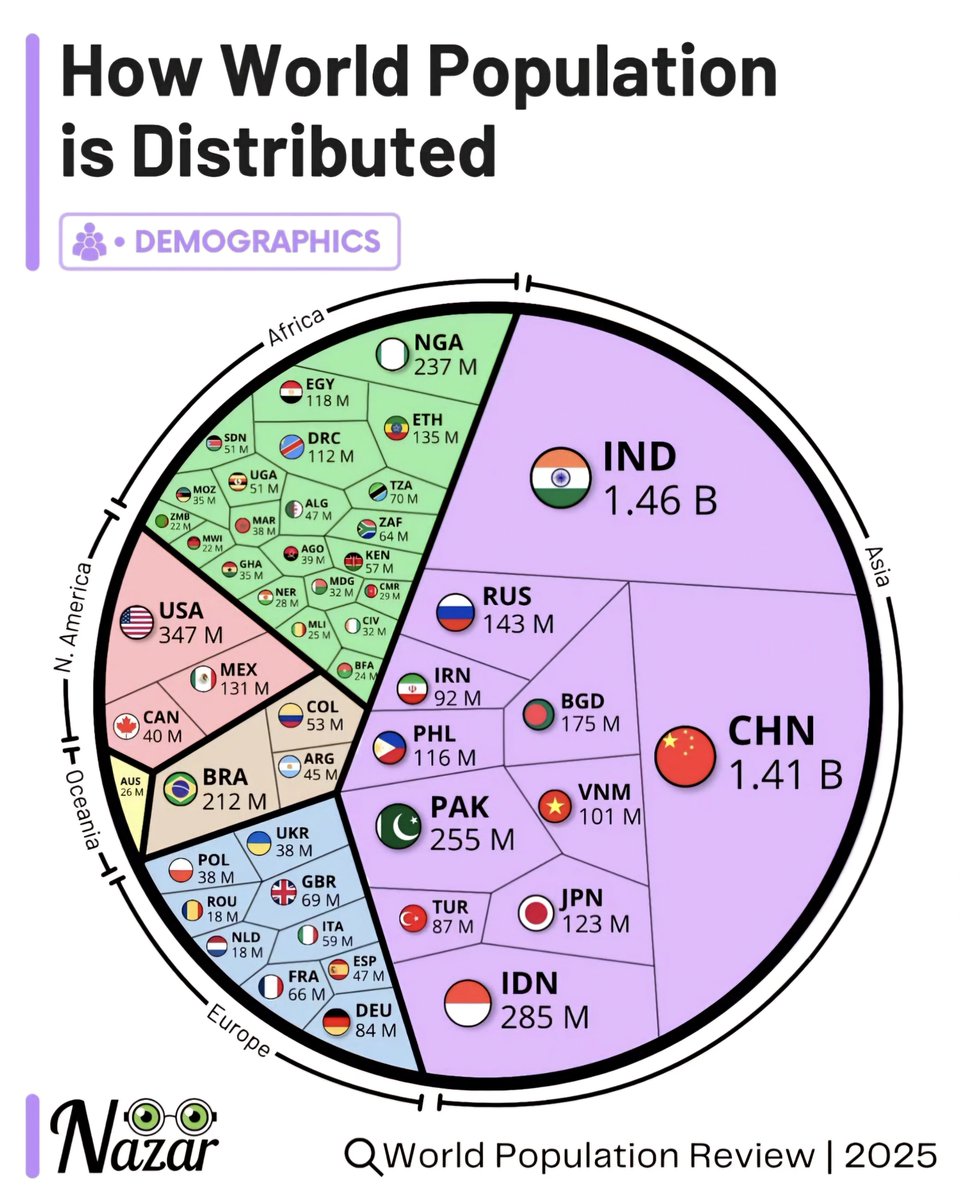
The global population landscape in 2025 presents a complex mixture of growth, stabilization, and decline, shaping economic and social policies worldwide. Countries like India and Nigeria are experiencing exponential increases, calling for innovative solutions in infrastructure and sustainability. Conversely, aging nations such as Japan and Russia face demographic challenges that threaten their economic stability, prompting innovative government policies and international cooperation. As the world adjusts to these dynamic shifts, understanding demographic trends remains crucial for policymakers, businesses, and communities worldwide.
 ChatGPT
 Perplexity
 Gemini AI
 Grok AI