Select Language:
1. Japan’s Advanced Water Purification Systems
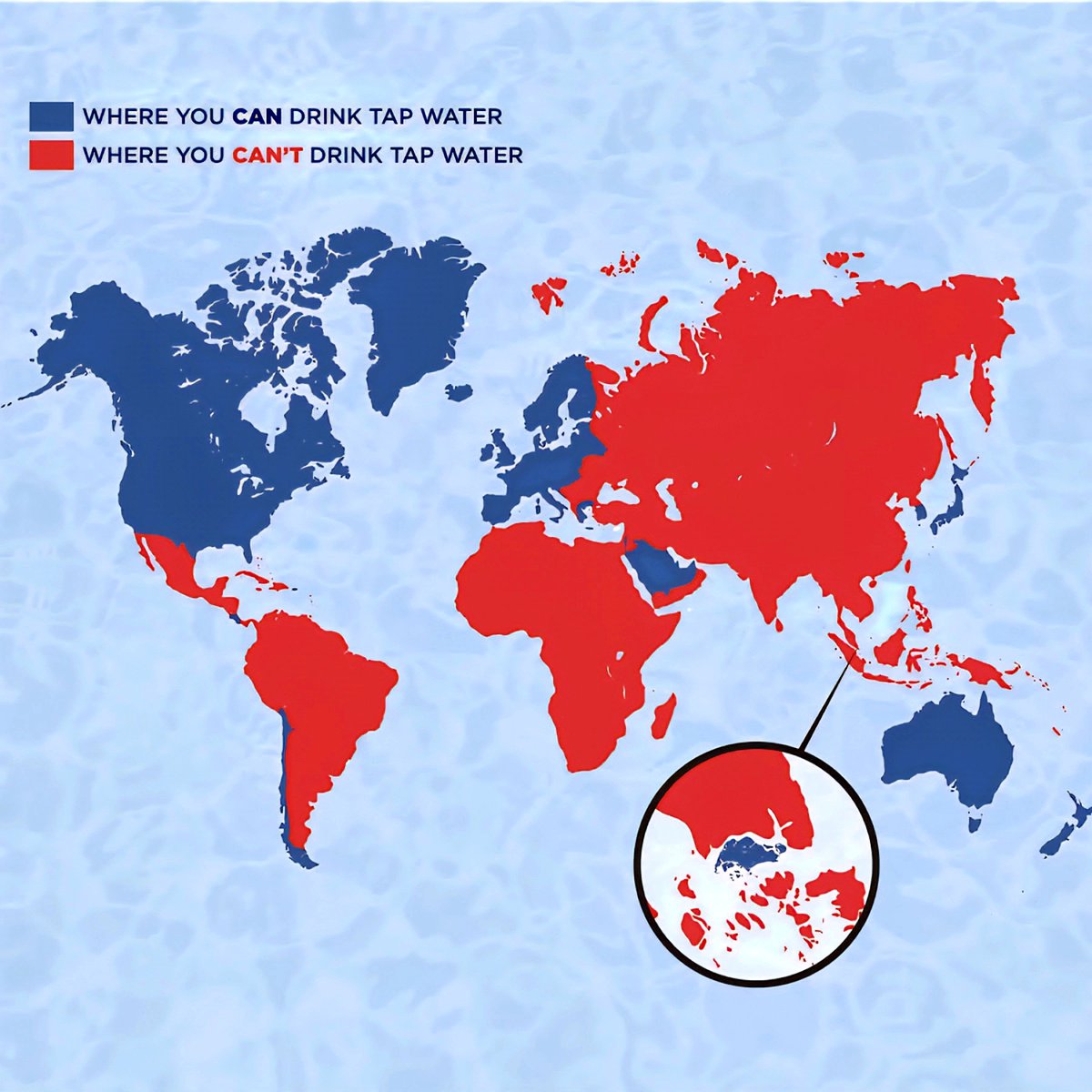
Japan continues to lead the way in providing safe tap water through its cutting-edge water treatment technology. Cities like Tokyo and Osaka boast rigorous filtration processes, including multi-stage purification methods that remove pathogens, heavy metals, and chemical contaminants. Thanks to government oversight and strict standards, nearly 100% of Japan’s tap water is considered safe to drink directly from the tap. This success is facilitated by constant monitoring and innovative technologies like ultraviolet disinfection and advanced carbon filtration, ensuring the safety of daily water consumption for millions of residents.
2. Europe’s Robust Water Safety Regulations
Across Europe, stringent regulations backed by the European Union ensure safe drinking water for all residents. Countries like Sweden, Switzerland, and Germany have standardized tap water quality benchmarks that surpass many national standards globally. These countries utilize comprehensive testing protocols that assess microbial safety, chemical contaminants, and mineral content. The result is consistently high-quality tap water, which is regularly tested and updated to meet evolving safety requirements. Public confidence remains high, with most Europeans confidently consuming tap water without concern.
3. New Zealand’s Commitment to Clean Water
Known for its pristine landscapes, New Zealand has established strict water quality standards to preserve its natural beauty and public health. Local authorities employ innovative filtration and disinfection methods to manage both urban and rural water systems effectively. Their approach combines sophisticated treatment plants with regular testing to ensure tap water remains safe and clean. This effort correlates with high levels of public trust, making New Zealand one of the countries with the safest tap water in the world.
4. United States’ Diverse Water Quality Challenges
While the United States has made significant progress in providing safe tap water, its vast geographic diversity presents ongoing challenges. Incidents like lead contamination in Flint, Michigan, spotlight the critical need for infrastructure upgrades and stricter regulatory enforcement. The Environmental Protection Agency (EPA) continues to update water standards, requiring localities to monitor for emerging contaminants. Urban centers like New York City and Los Angeles benefit from advanced treatment facilities, while smaller communities sometimes struggle with aging infrastructure. Overall, many Americans can enjoy safe tap water, but vigilant oversight remains essential.
5. Singapore’s Innovative Water Recycling
Singapore exemplifies sustainable water management by combining traditional treatment with cutting-edge reuse technologies. The city-state’s NEWater initiative employs advanced membrane filtration and ultraviolet disinfection systems, allowing recycled wastewater to meet and surpass drinking water standards. This innovative approach addresses water scarcity issues and guarantees safe tap water supply for nearly 6 million residents. The country’s proactive measures highlight the importance of technological adaptation in ensuring water safety amid changing climate conditions.
6. Australia’s Water Security and Quality Measures
Australia’s diverse climates demand resilient water safety measures. Major cities like Sydney and Melbourne have invested heavily in advanced treatment facilities, including reverse osmosis and ultraviolet disinfection, to ensure high-quality tap water. Rural and remote areas benefit from government programs that improve infrastructure, while continuous monitoring helps detect contaminants early. During droughts and climate emergencies, Australia’s water management strategies adapt swiftly, emphasizing the importance of proactive safeguards in maintaining safe drinking water.
7. Proactive Innovations in Water Safety Technology
The ongoing global effort to ensure safe tap water is increasingly driven by innovation. Emerging technologies like real-time water quality sensors, blockchain-based monitoring systems, and AI-driven data analysis enable authorities to detect contamination swiftly. These advancements not only prevent potential health crises but also enhance public confidence in tap water systems worldwide. Countries investing heavily in such innovations are setting new standards for safety and resilience in municipal water supplies.
8. The Role of Community Engagement and Public Education
Ensuring safe tap water isn’t solely reliant on technological solutions; public awareness and community participation are essential. Educational campaigns focus on promoting responsible water use, reporting issues, and understanding water quality reports. Countries with active community engagement tend to have higher trust levels, prompt reporting of concerns, and quicker responses to potential issues. Empowering citizens with knowledge fosters a collective effort to maintain safe and sustainable water systems across the globe.
 ChatGPT
 Perplexity
 Gemini AI
 Grok AI