Select Language:
Safe Tap Water Around the World in 2025: A Closer Look at Global Progress and Challenges
1. Major Improvements in Urban Water Infrastructure
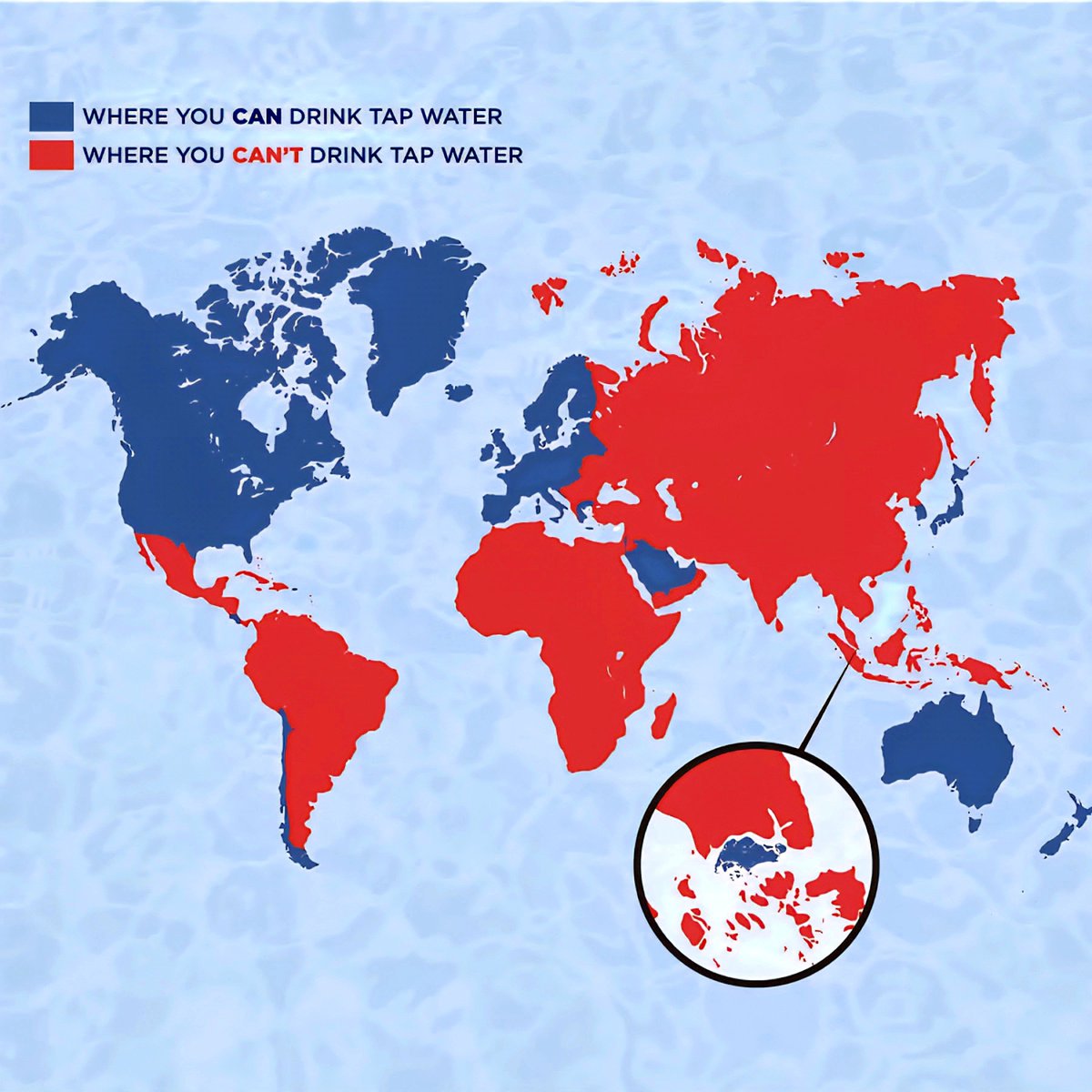
Over the past few years, several countries have made significant strides in upgrading their urban water infrastructure, leading to increased safe tap water access for millions. Cities like Singapore and Toronto continue to be leaders, with advanced filtration systems and rigorous safety standards that ensure clean drinking water is available at every tap. These improvements not only bolster public health but also promote environmental sustainability by reducing reliance on bottled water.
However, in many developing nations, rapid urbanization has outpaced infrastructure development. Major cities in parts of Africa and Southeast Asia face ongoing challenges in providing safe tap water to all residents. Efforts are underway through international aid and government initiatives, but progress remains uneven.
2. Increased Use of Smart Water Monitoring Technology
By 2025, smart technology has revolutionized how countries monitor tap water quality in real-time. Sensors embedded in water pipelines detect contaminants instantly, allowing utility providers to address issues before they reach consumers. Countries like South Korea and Australia lead the way in implementing these advanced systems, resulting in fewer water-related health incidents.
Smart monitoring technologies also help reduce waste and improve efficiency, making water distribution more sustainable. Such innovations are vital in addressing emerging challenges like contamination from industrial pollutants and climate-related disruptions.
3. The Role of Government Policies and International Cooperation
Government policies remain crucial in safeguarding tap water safety. Several nations have adopted stricter standards and transparent reporting mechanisms, which build public trust and ensure accountability. The United States, Canada, and the European Union continue to enforce rigorous testing protocols and promote public awareness campaigns about water safety.
International cooperation is equally vital. Programs led by the World Health Organization (WHO) have helped set global benchmarks for safe drinking water. Notably, collaborative efforts between countries in Africa and Asia have improved water treatment practices and reduced waterborne diseases significantly, yet gaps persist in remote and underserved communities.
4. Challenges Facing Rural and Remote Areas
One of the most persistent issues remains providing safe tap water to rural and isolated communities. Despite urban advancements, many rural regions around the world still rely on untreated or contaminated water sources. In some cases, lack of infrastructure and funding hampers efforts to deliver reliable safe tap water.
In parts of Central and South America, as well as rural regions in Asia, community-led initiatives and small-scale water treatment solutions have made a difference. Still, comprehensive solutions require sustained investment, technical support, and local engagement for long-term success.
5. Climate Change and Its Impact on Water Safety
Climate change continues to pose a significant threat to water safety globally. Increased flooding, droughts, and extreme weather events have compromised water sources and infrastructure. Contaminated runoff and rising sea levels threaten freshwater supplies, especially in coastal regions.
In response, countries are adopting adaptive strategies—such as rainwater harvesting, resilient infrastructure design, and conservation programs—to secure tap water quality. Japan and the Netherlands exemplify proactive measures, integrating climate resilience into their water systems to mitigate future risks.
6. The Future of Safe Tap Water in 2025 and Beyond
Looking ahead, innovations like decentralized water treatment systems, nanotechnology, and AI-driven analytics are poised to transform access to safe tap water worldwide. Expanding access in underserved communities remains a priority on the global agenda, with goals set for universal access by 2030.
Public awareness campaigns emphasizing the importance of water conservation and safety are also gaining momentum. Collaboration among governments, private sectors, and communities will be vital in ensuring sustainable and equitable access to clean tap water for all.
In summary: While tremendous progress has been made in improving safe tap water access globally, challenges such as infrastructure gaps, climate change, and inequality still need urgent attention. Continued innovation, policy enforcement, and community involvement are essential ingredients for a future where everyone can rely on safe tap water every day.
 ChatGPT
 Perplexity
 Gemini AI
 Grok AI