Select Language:
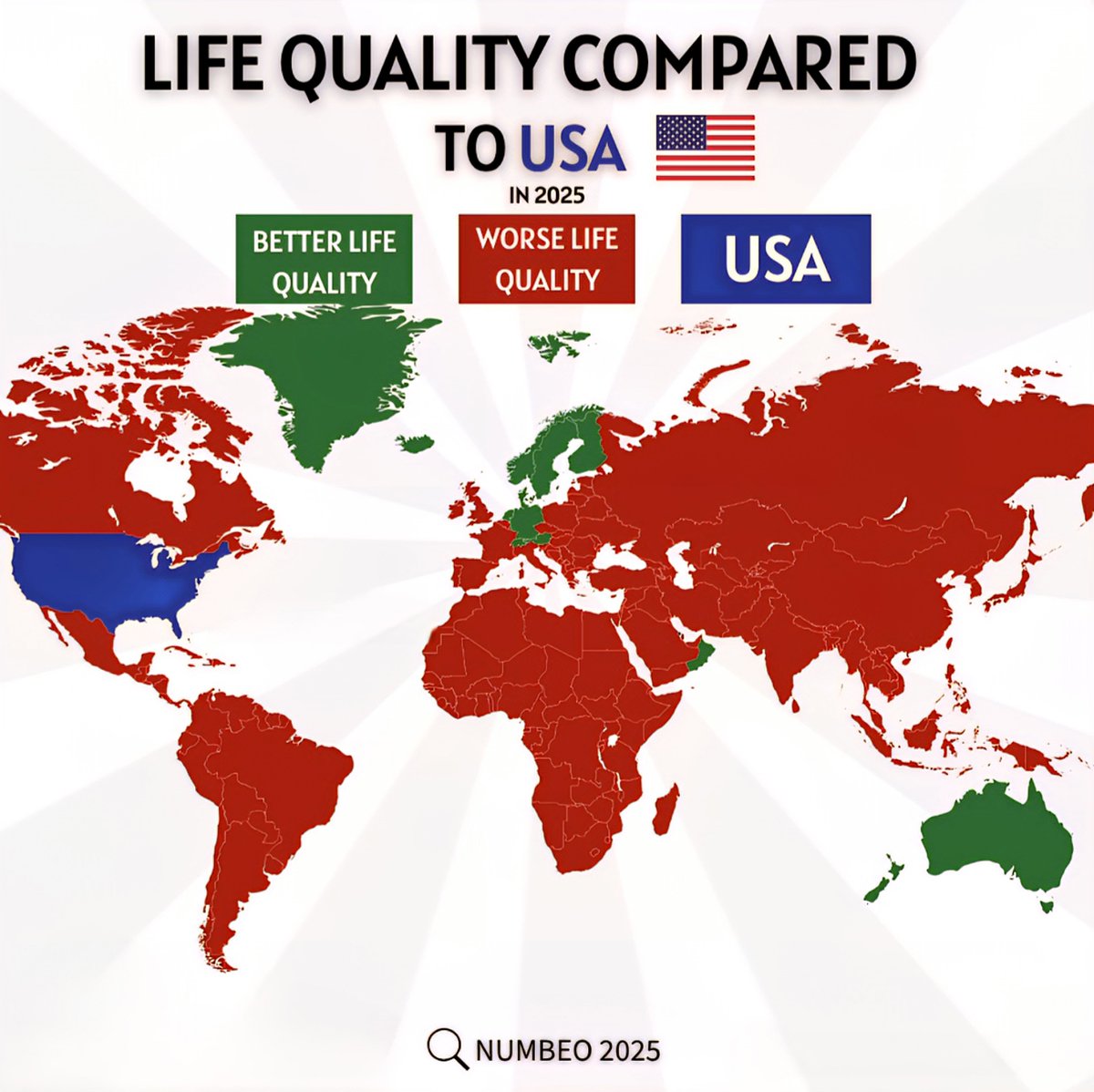
World Life Quality Compared to the USA
1. Healthcare Systems and Accessibility
In 2025, the global landscape of healthcare continues to differ significantly from that of the United States. Many countries have adopted universal healthcare models that ensure all citizens have access to medical services without prohibitive costs. Nations like Canada, the UK, and Scandinavian countries rank higher in overall health outcomes, partly due to their comprehensive public health programs. Conversely, the U.S. still grapples with disparities rooted in a largely privatized healthcare system, leading to higher out-of-pocket expenses and unequal access.
Data indicates that countries with universal coverage experience lower infant mortality rates, longer life expectancy, and better management of chronic illnesses. The USA’s healthcare expenditure remains the highest globally, yet health outcomes lag behind many nations with more equitable systems.
2. Safety and Crime Rates
Safety levels are a vital part of life quality assessments. In 2025, several nations have notably lower crime rates than the United States. Scandinavian countries such as Norway, Sweden, and Denmark continue to top safety rankings, boasting minimal violent crime and highly effective law enforcement.
In comparison, the USA experiences higher rates of gun violence, theft, and assault, which affect overall perceived safety. Urban areas in the U.S. tend to have higher crime statistics than rural regions, creating disparities in safety that influence residents’ quality of life. International data shows that countries with strict gun control laws tend to have fewer firearm-related incidents, contributing to safer environments.
3. Education Opportunities and Quality
When examining global education standards, the USA remains a leader but faces stiff competition from countries like Canada, South Korea, and Finland, where education systems emphasize innovation and equity. In 2025, several nations have invested heavily in early childhood education, making it more accessible and of higher quality, which correlates to better overall student outcomes.
American students often perform well internationally but face challenges such as disparities in school funding and access to advanced coursework. The most successful countries have implemented holistic education models that prioritize mental health, creative thinking, and practical skills, which enhance life quality for students long-term.
4. Cost of Living and Housing
The cost of living varies widely worldwide but remains a concern for many Americans. In 2025, major U.S. cities like New York, San Francisco, and Los Angeles continue to rank among the most expensive places to live globally, driven by housing costs and healthcare expenses.
In contrast, countries such as Portugal, Mexico, and parts of Southeast Asia provide more affordable living options with quality of life comparable to or exceeding many American cities. These nations often offer lower taxes, reasonable housing prices, and lower healthcare costs, making them attractive for retirees and expatriates seeking a high quality of life without financial strain.
[Image: World Life Quality Compared to the USA]
5. Environmental Quality and Sustainability
Environmental health is increasingly recognized as a crucial component of life quality. In 2025, Nordic countries, New Zealand, and Switzerland lead in air quality, renewable energy use, and sustainable living initiatives. These nations enforce strict environmental regulations and encourage green technology adoption, resulting in cleaner air, water, and overall healthier living environments.
Americans face mixed environmental quality, with urban centers battling pollution and climate-related challenges. Though some U.S. cities are making strides towards sustainability, overall air and water quality metrics often trail behind leading nations committed to environmental preservation.
6. Work-Life Balance and Cultural Lifestyle
A balanced work-life dynamic is a cornerstone of high life quality. In many countries across Europe and Asia, shorter workweeks, generous parental leave, and emphasis on leisure activities prevail. Denmark, the Netherlands, and Japan exemplify cultures that prioritize quality of life through policies promoting flexibility and community engagement.
In the United States, long working hours and limited paid leave can detract from personal well-being. However, the evolving cultural landscape of 2025 indicates a shift toward valuing mental health and leisure, with more companies adopting flexible schedules and remote work options.
7. Social Support and Community Engagement
Strong community ties and social support systems significantly impact life satisfaction. Countries like Norway, Finland, and the Netherlands excel in fostering social cohesion, providing extensive social services, and supporting work-life integration. These nations report higher levels of trust among citizens and lower rates of social isolation.
American society faces ongoing challenges in social safety nets; although there are vibrant communities and support programs, disparities remain. The year 2025 marks a continued push towards strengthening mental health services, community initiatives, and inclusive policies to improve social well-being.
Final thoughts
As the world advances into 2025, the United States continues to grapple with challenges in healthcare, safety, and environmental sustainability. Meanwhile, many neighboring and distant nations have made significant strides in elevating living standards through equitable policies, environmental initiatives, and cultural shifts. Recognizing these differences offers insights into potential paths for improvement and highlights the importance of holistic approaches to enhancing life quality globally.
 ChatGPT
 Perplexity
 Gemini AI
 Grok AI