Select Language:
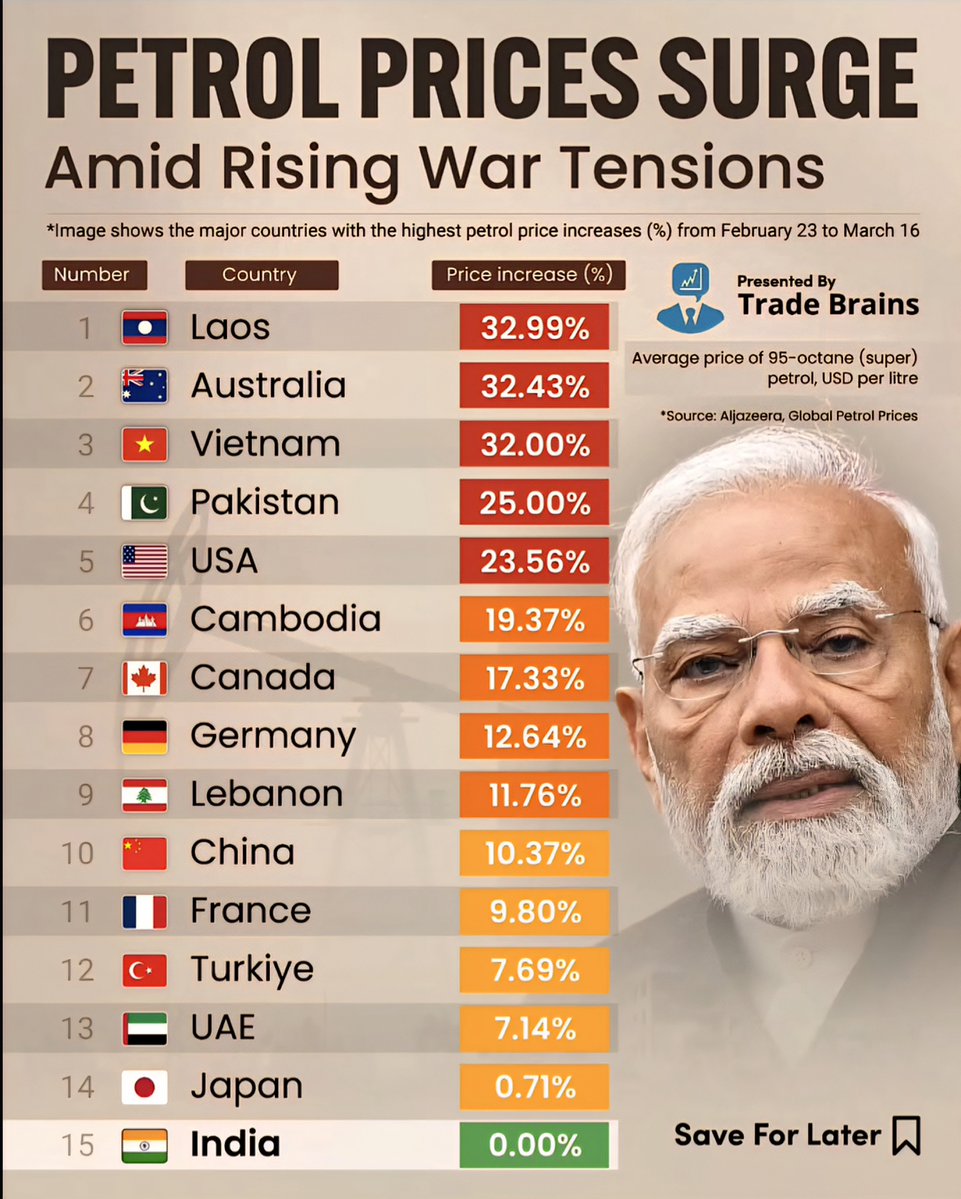
Petrol Prices Surge Alarmingly in 2025 Due to Heightened Global Tensions
- Laos Experiences the Highest Spike in Fuel Costs
With a staggering 32.99% increase in petrol prices since late February, Laos leads the charge in nations witnessing dramatic fuel cost hikes. The ongoing geopolitical tensions and regional conflicts have significantly impacted supply chains, pushing prices upward. Consumers in Laos are feeling the pinch as the cost per liter of 95-octane petrol climbs sharply, reflecting the global ripple effects of the mounting war tensions.
- Australia Sees a Nearly One-Third Price Increase
In Australia, petrol prices have risen by 32.43%, positioning it among the countries most affected by recent turmoil. The combination of strained international relations and supply disruptions has narrowed fuel supplies, leading to escalated consumer prices nationwide. This surge could influence everything from daily commutes to broader economic activities, raising concerns over inflation and cost of living.
- Vietnam Faces a 32% Jump in Fuel Prices
Vietnam’s petrol prices have surged by 32%, a reflection of volatile global fuel markets exacerbated by escalating conflicts in surrounding regions. The country’s reliance on imported fuels makes it vulnerable to international supply shocks. Citizens are adjusting budgets as transportation costs soar, with government officials calling for strategic measures to stabilize prices.
- Pakistan’s Fuel Costs Climb Significantly
Pakistan has seen a 25% increase in petrol prices over just a few weeks. Political instability and ongoing conflicts in neighboring countries have added pressure to the country’s energy imports, leading to a substantial increase in fuel costs for consumers. The government is exploring subsidies and alternative energy initiatives to mitigate the impact.
- The United States Reports Over 23% Growth in Gas Prices
Across the Atlantic, the US has experienced a 23.56% rise in retail petrol prices. Despite its domestic oil production capabilities, global conflict-related market jitters have driven prices upward. Americans are witnessing higher fuel bills as the energy sector adjusts to a tense geopolitical landscape.
- Cambodia’s Fuel Prices Rise by Nearly 20%
Cambodia has seen a 19.37% increase in gasoline costs, mirroring regional trends. The ongoing conflict has disrupted fuel logistics, especially in Southeast Asia, resulting in increased costs for both consumers and businesses. Stakeholders are anxiously awaiting stabilization to prevent further inflationary pressures.
- Canada’s Petrol Prices Climb by 17.33%
Canada, with its robust oil industry, is still not immune to global tensions, experiencing a 17.33% rise in fuel prices. International conflicts have led to supply constraints and increased costs at the pump, influencing travel, transportation, and economic activity across the nation.
- Germany Reports a 12.64% Increase in Fuel Prices
As Europe grapples with energy security issues, Germany has witnessed a 12.64% increase in petrol prices. The region’s dependence on imported energy sources amplifies the impact of international conflicts, prompting calls for diversification and alternative energy investments.
- Lebanon and China See Moderate Price Adjustments
Lebanon’s petrol prices have gone up by 11.76%, adding strain to an already fragile economy, while China’s prices have increased by 10.37%. In both countries, geopolitical tensions are influencing supply chains, contributing to these moderate yet significant rises.
- France, Turkey, and UAE Experience Similar Trends
European and Middle Eastern nations continue to feel the ripple effects, with France at 9.80%, Turkey at 7.69%, and the UAE at 7.14%. These nations are adjusting their energy policies in response to the ongoing conflicts, balancing domestic needs with international pressures.
- Japan and India Maintain Stability in Fuel Prices
Interestingly, Japan’s petrol prices have seen minimal change at 0.71%, and India remains unaffected with no growth in costs to consumers. Their strategic reserves and diversified supply routes have helped insulate their economies from the most severe fluctuations.
Global Impact and Future Outlook
The overall trend indicates that the continued escalation of war tensions and conflicts are sending shockwaves through global fuel markets. Countries across different continents are experiencing sharp increases in petrol prices, which are likely to influence inflation rates, consumer behavior, and economic stability in the coming months. Policymakers are urged to monitor these developments closely, considering measures to stabilize supply and mitigate inflationary impacts.
Source: Al Jazeera, Global Petrol Prices via Trade Brains
 ChatGPT
 Perplexity
 Gemini AI
 Grok AI