Select Language:
Top Countries Leading in English Proficiency in 2025
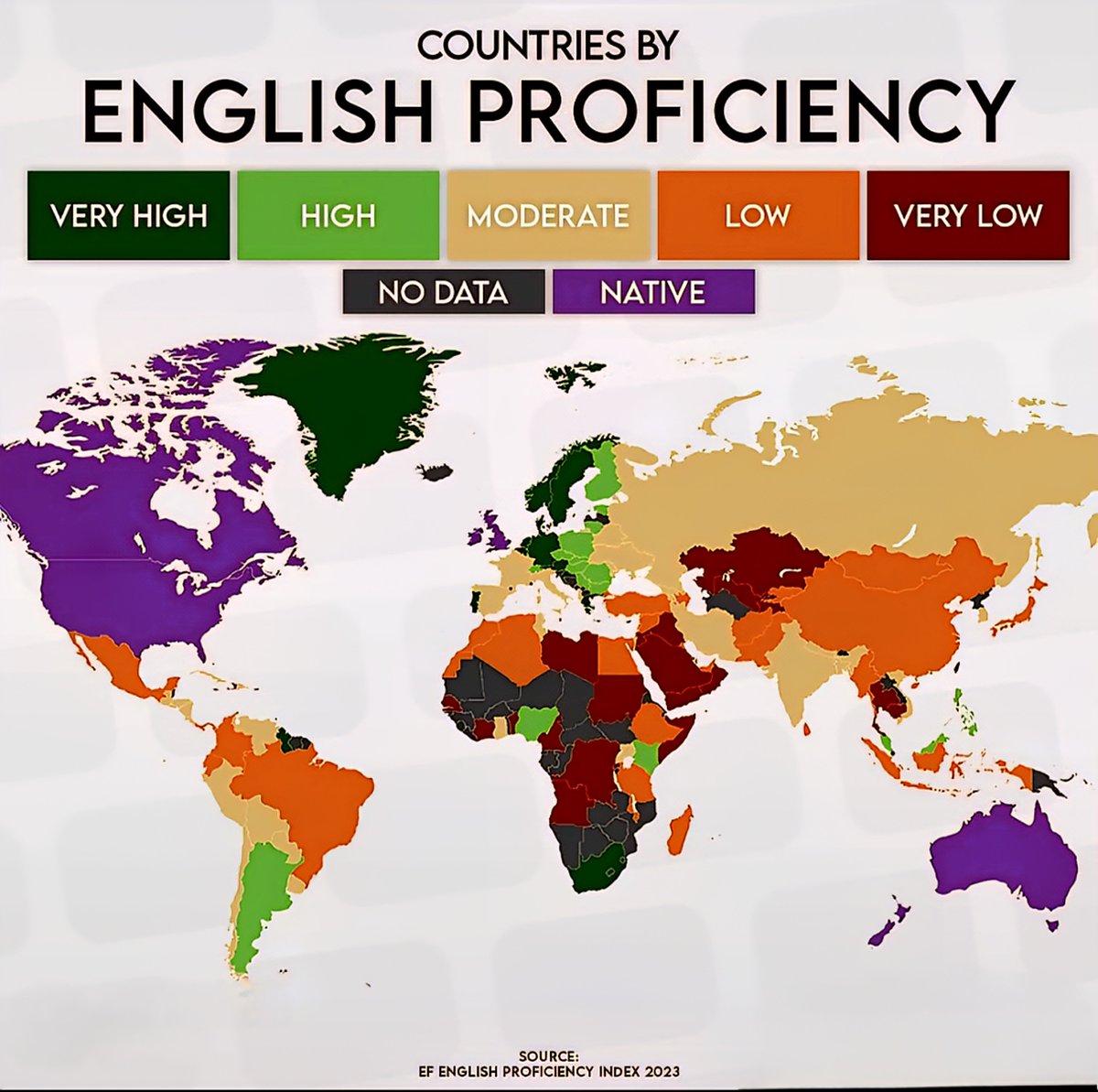
1. The Netherlands Continues to Dominate Global English Skills
The Netherlands remains at the top of the list for English proficiency in 2025. With over 90% of the population fluent or proficient, the Dutch have long prioritized language education, making English an integral part of daily life. Whether through their world-class universities or their international business ecosystem, the Dutch seamlessly blend their native language with English, facilitating communication in global markets and tech industries.
2. Scandinavian Countries Stay Strong in Language Skills
Finland, Norway, and Sweden maintain their high levels of English proficiency, often ranking within the top five globally. These countries place a strong emphasis on early language education, with children outperforming many other nations in English language tests. Their citizens often speak multiple languages fluently, which bolsters their competitive advantage in international communications, tourism, and exports.
3. Singapore’s Bilingual Education Boosts Global Competitiveness
Singapore continues to excel with a bilingual educational system emphasizing English and Mandarin. With nearly 85% of the population proficient in English, Singapore serves as a global hub for finance, technology, and trade. Its strategic focus on linguistic skills helps attract multinational corporations and ensures citizens can operate seamlessly across diverse markets.
4. India’s Rapid Progress in English Fluency
India has seen a significant leap in English proficiency over recent years, with nearly 70% of urban residents now fluent in the language. This growth is driven by government initiatives to improve educational standards and increased access to technology. As a primary language for business, innovation, and higher education, English plays a pivotal role in India’s economic ascent.
5. South Korea Advances in Educational Excellence
South Korea has made remarkable progress in embedding English into its education system. Currently, about 80% of young adults are considered proficient. The nation’s focus on global competitiveness and international partnerships has seen thousands of students learning English from an early age, fueling Korea’s prominence in electronics, automotive industries, and entertainment.
6. Canada’s Bilingual Heritage Strengthens English Proficiency
Canada continues to be a bilingual nation, with English and French coexisting harmoniously. Nearly 85% of Canadians speak English fluently, which positions them advantageously for international diplomacy, trade, and tourism. The country’s multicultural approach to education ensures high levels of language skills across diverse communities.
7. Australia and New Zealand Maintain Their English Dominance
Both Australia and New Zealand boast high English proficiency rates, with over 95% of their populations fluent. Their education systems, cultural ties to the U.K., and popularity as study destinations for international students reinforce their linguistic dominance, making them attractive destinations for global business and tourism.
8. Ireland’s English Language Resurgence
Ireland has experienced a surge in English proficiency, largely due to investments in education and its growing technology sector. Around 97% of the population is fluent, helping Ireland become a favorite hub for multinational tech firms and software development companies seeking an English-speaking workforce.
9. The Philippines’ Growing Role as an English-Speaking Nation
The Philippines continues to expand its role as a major English-speaking country in Asia. Currently, approximately 90% of Filipinos speak English, facilitating outsourcing, call centers, and global commerce. Their cultural affinity and extensive English language education programs make the Philippines a critical part of the global service industry.
10. United States and United Kingdom Hold Steady in Global English Use
Unsurprisingly, the U.S. and the U.K. remain at the core of the English-speaking world. The U.S., with its vast population and world influence, has about 80% proficiency, driven by diverse immigrant populations and strong educational institutions. The U.K., as the birthplace of the language, maintains near-universal fluency, reinforcing its cultural and economic dominance.
In 2025, the landscape of global English proficiency continues to evolve, driven by education policies, technological integration, and economic development. Countries that prioritize language education and international engagement are poised to thrive in an increasingly interconnected world.
 ChatGPT
 Perplexity
 Gemini AI
 Grok AI