Select Language:
Decoding the Shoe Rules Around the World: A Global Perspective on Shoes In and Out of Homes
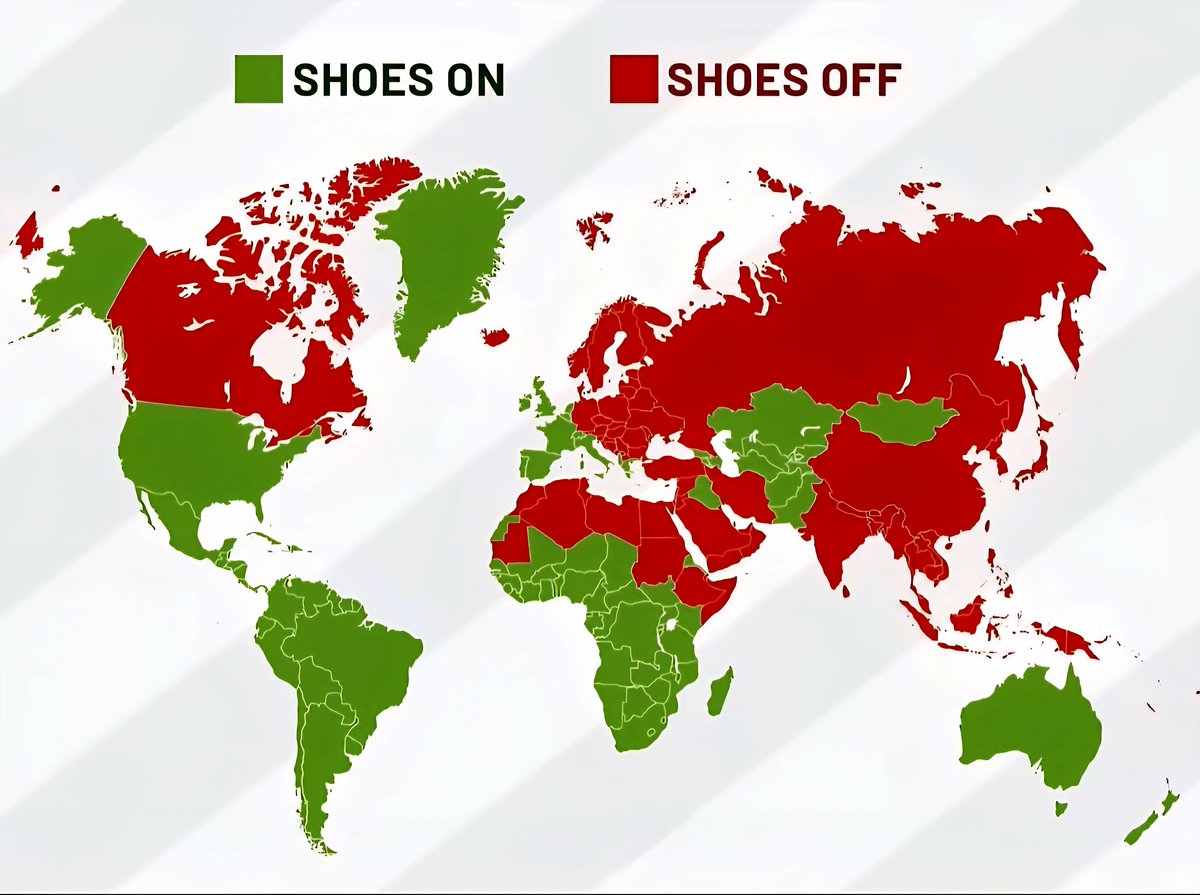
1. United States: A Mix of Practices
In the United States, household shoe etiquette varies widely depending on regional customs, cultural background, and personal preferences. Many Americans prefer to remove their shoes upon entering a home to keep floors clean and maintain hygiene. However, in some households, especially on formal occasions or in homes with guests unfamiliar with the custom, shoes are often left on. Shoe storage areas near entryways are common, underscoring the importance of cleanliness. The trend toward shoe-free homes has gained momentum, especially in urban areas focusing on healthier living environments.
2. Japan: Strictly Shoes Off Inside
Japan is renowned for its deeply ingrained tradition of removing shoes indoors. It’s customary to slip off shoes upon entering homes, traditional restaurants, temples, and certain public spaces. Guests typically wear slippers provided by the homeowner, and outdoor shoes are kept at the entrance. This practice emphasizes cleanliness and respect for indoor spaces, reflecting cultural values that prioritize hygiene and tradition. Failure to remove shoes can be viewed as inappropriate, especially in formal or religious settings.
3. European Customs: A Diverse Landscape
European countries exhibit a wide array of shoe protocols. In Northern Europe, particularly in Scandinavian nations, removing shoes at the door is a standard practice, contributing to cleaner homes and comfort. Conversely, in Mediterranean countries such as Italy and Spain, it’s more common to keep shoes on indoors, especially during social gatherings. In the UK, shoe practices vary; some households prefer shoes off, especially in modern homes, while traditional settings might expect shoes to stay on. Overall, European customs tend to reflect regional climatic conditions and cultural attitudes toward cleanliness.
4. Australia and New Zealand: Casual and Considerate
In Australia and New Zealand, attitudes toward shoes indoors are generally relaxed. Many households prefer residents and guests to remove shoes to avoid tracking dirt, especially during wet or muddy seasons. However, it’s less rigid compared to Asian or Japanese customs. Many hosts leave a basket of slippers for guests, and the decision often rests on individual household rules. The focus is on practicality and casual hospitality, emphasizing comfort and cleanliness without strict enforcement.
5. Middle Eastern Traditions: Respect and Hospitality
In Middle Eastern cultures, shoes inside the home often symbolize respect and hospitality. Many families expect shoes to be removed once inside, especially in more traditional or religious households. The practice aligns with Islamic teachings that emphasize cleanliness, especially when praying or sharing meals. Hosts often provide slip-on slippers for guests and family members, maintaining a warm and respectful environment that honors cultural norms.
6. East Asian Countries: A Society That Values Cleanliness
Apart from Japan, countries like China and Korea also uphold strict shoe removal customs. In South Korea, it’s common to take off shoes at the entrance, replaced with slippers, especially in private homes and some traditional buildings. In China, practices can vary, but urban families increasingly favor removing shoes to sustain cleanliness and hygiene. These practices are supported by societal expectations and efforts to promote good manners and respect for one’s residence and visitors.
7. Latin America: An Evolving Culture
Latin American countries show a blend of shoe practices. In rural areas, guests often remove shoes to keep homes tidy, reflecting traditional values. In urban settings, practices are becoming more flexible, with some families leaving shoes on, especially during social visits. The warmth and hospitality prevalent across Latin America often override strict etiquette, focusing instead on comfort and welcoming gestures.
8. African Countries: A Mix of Traditions
In many African nations, shoe customs can vary significantly. Some cultures prioritize removing shoes as a sign of respect within homes and traditional spaces, especially where rituals or communal gatherings take place. In other regions, shoes are kept on, especially in informal settings, emphasizing practicality over strict adherence to tradition. As urbanization continues, more households lean towards removing shoes indoors to promote cleanliness.
9. What the Future Holds for Shoe Etiquette
With globalization, increased awareness of hygiene, and changing lifestyle habits, the world is witnessing a shift toward more universal practices regarding indoor footwear. The COVID-19 pandemic notably amplified the preference for shoe-free zones to minimize germs. As homes become more specialized and health-conscious, practices like providing slippers and shoe covers are expanding globally. Technology, such as washable shoe covers and antimicrobial mats, further influences this cultural evolution, fostering healthier indoor environments.
This diverse array of shoe customs reveals not just habits but deeper cultural values surrounding health, respect, and hospitality. Whether shoe-free or shoes-on, understanding and respecting these local customs can foster better social interactions and appreciation for cultural differences in an increasingly interconnected world.
 ChatGPT
 Perplexity
 Gemini AI
 Grok AI