Select Language:
How Different Countries Approach Shoes Indoors
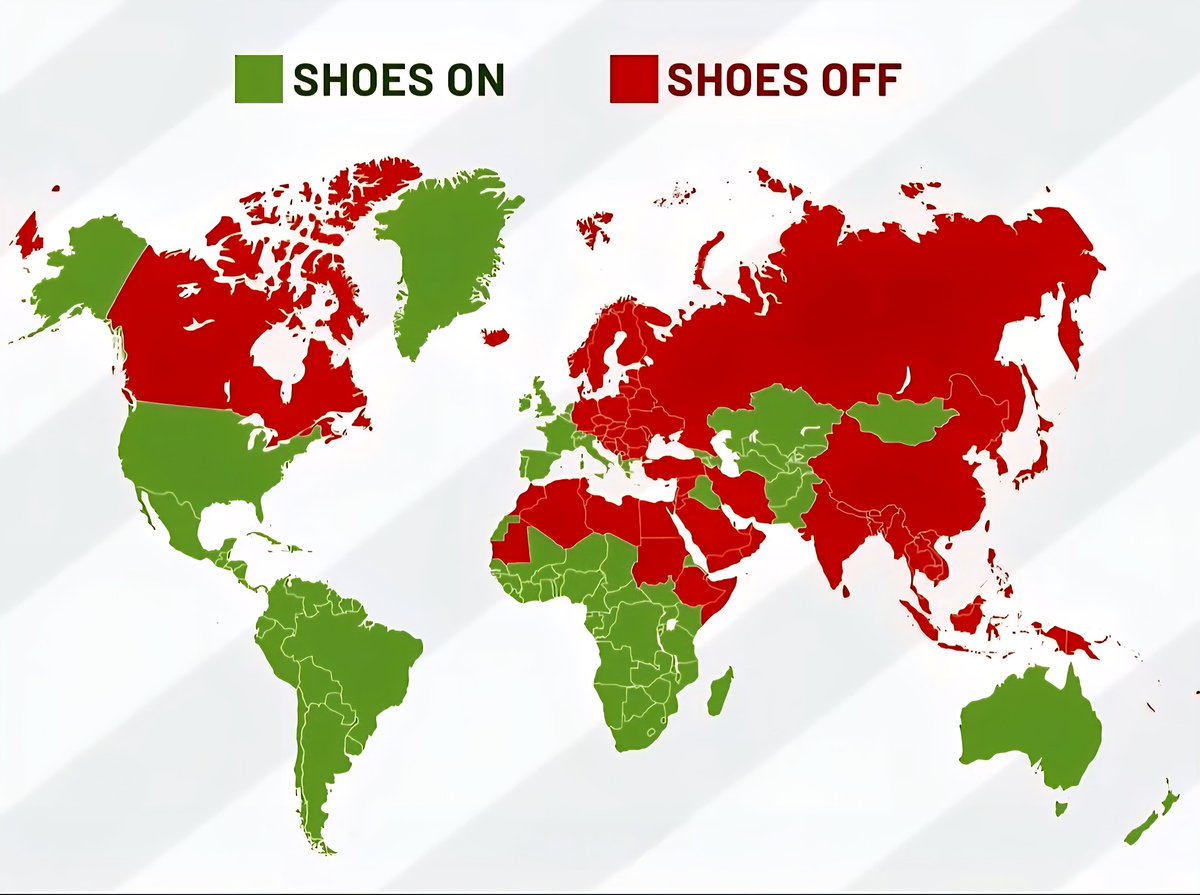
1. United States: The Mixed Approach
In the U.S., attitudes toward wearing shoes inside the home vary widely depending on regional, cultural, and personal preferences. Many Americans typically remove their shoes upon entering a house, especially in households with young children or where cleanliness is prioritized. However, in some households, shoes are worn throughout the home for comfort or convenience, especially when guests visit frequently or when residents prefer not to track dirt inside. Public awareness campaigns and home decor trends continue to influence Americans towards promoting shoe removal as a hygienic practice, but the practice isn’t yet uniformly adopted nationwide.
2. Japan: Strictly Shoes Off
Japan maintains a deeply rooted tradition of removing shoes when entering a home. Guests are usually provided with slippers to wear inside, maintaining cleanliness and respecting cultural etiquette. This practice extends to certain traditional restaurants, temples, and even some workplaces. Removing shoes is seen as a sign of respect and a way to keep living spaces clean, especially since Japanese homes often have tatami mats and delicate flooring that can be easily damaged by footwear. The footwear removal tradition is so ingrained that failing to remove shoes might be considered disrespectful.
3. European Countries: Varies Widely
Across Europe, shoe policies inside homes can differ significantly from country to country. For example, in Scandinavian nations like Sweden and Norway, removing shoes is standard practice, often encouraged to keep homes clean and minimize dirt tracked indoors. Conversely, in Mediterranean countries such as Italy and Spain, it’s more common to keep shoes on inside the house, especially during social gatherings. Many Europeans believe that wearing shoes indoors can be more comfortable, with some just limiting shoe removal to certain rooms or occasions. The trend continues to evolve with an increasing number of households adopting shoe-free policies for cleanliness and comfort.
4. Australia and New Zealand: Casual and Flexible
Australians and New Zealanders tend to have a relaxed approach to outdoor footwear. Many households prefer to keep shoes on during casual visits, especially given the climate and outdoor lifestyle. However, it’s common for hosts to ask guests to remove shoes at the door, especially if the home has particular flooring or is clean and well-kept. Overall, the practice is quite flexible, often depending on the household’s preferences or the situation, such as in homes with young children or during health-conscious times.
5. East Asian Countries: Deeply Cultural
Beyond Japan, countries like South Korea and China also emphasize removing shoes inside the home. In South Korea, families usually take off their shoes at the entrance and wear slippers inside, a tradition linked to maintaining cleanliness and respecting elders. Similarly, in China, especially in traditional or formal settings, removing shoes upon entering a residence is customary, often replaced with slippers. These practices symbolize respect, cleanliness, and cultural heritage, and are observed even among younger generations adapting to modern lifestyles.
6. Middle Eastern Countries: Mix of Traditions and Modern Practices
In Middle Eastern households, the practice of removing shoes varies depending on local customs and household rules. In some regions, shoes are taken off at the door as a means to preserve cleanliness, especially when visiting during religious or special occasions. However, in urban areas or more modern households, wearing shoes indoors might be acceptable, especially if guests are expected or if the household has a culture that emphasizes hospitality over strict cleanliness.
7. Practical Considerations and Future Trends
As global awareness about hygiene and cleanliness grows, many households worldwide are shifting toward a shoe-free culture indoors. This trend is especially pronounced in urban environments affected by pollution or health crises, such as the lingering impacts of pandemics. Smart home design and regional health advisories continue to influence whether household members, guests, or service providers remove shoes upon entry.
Summary
In 2025, the approach to wearing shoes inside the house remains highly dependent on cultural, regional, and personal factors. While some countries strictly enforce shoe removal to maintain cleanliness and respect tradition, others adopt a more casual or flexible attitude. Household norms are evolving continuously, driven by health considerations, changing cultural dynamics, and lifestyle preferences. Understanding these global differences helps foster cultural respect and personal comfort, ensuring harmony in shared living spaces worldwide.
Note: Image incorporated in the article is for illustrative purposes of worldwide shoe practices.
 ChatGPT
 Perplexity
 Gemini AI
 Grok AI