Select Language:
Exploring Countries Spanning Two Continents
1. Turkey: Where East Meets West
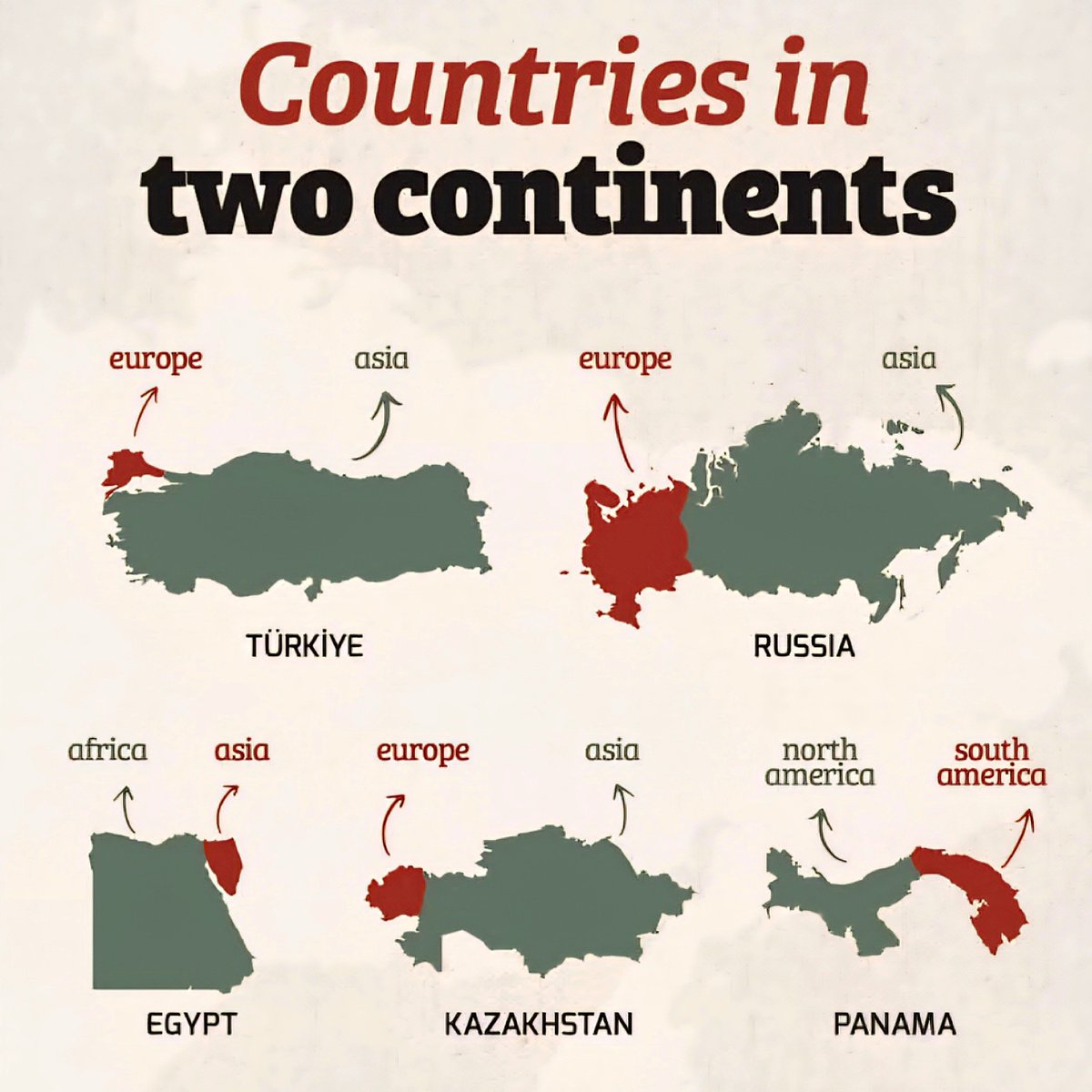
Turkey is a striking example of a nation bridging two continents—Europe and Asia. The country’s geographical location influences its rich cultural tapestry, blending Ottoman, modern Turkish, and European influences. Istanbul, Turkey’s largest city, sits on the Bosporus Strait, serving as a symbolic and physical link between the continents. Visitors are captivated by its historic mosques, vibrant bazaars, and the unique experience of witnessing two continents converge in a single metropolis. The Turkish government also strategically leverages this mix to foster international business and tourism, making Turkey a vital hub connecting East and West.
2. Russia: The Transcontinental Giant
Spanning across Eastern Europe and Northern Asia, Russia is the largest country in the world, with a significant part of its territory in the Asian continent. Its European segment, centered around Moscow and Saint Petersburg, showcases cultural grandeur, political history, and economic power. Meanwhile, Siberia stretches deep into Asia, emphasizing Russia’s vastness and diversity. The country’s transcontinental nature has played a crucial role in its geopolitical influence, cultural diversity, and economic resources, especially in natural energy reserves sprawling across both continents.
3. Azerbaijan: The Crossroads of Caucasus
Located in the South Caucasus region, Azerbaijan is a fascinating nation straddling Europe and Asia. Its capital, Baku, sits on the Caspian Sea, and the country’s borders touch both European and Asian countries. This strategic location has made Azerbaijan a key player in regional politics, especially in energy exports like oil and gas. The blend of Islamic culture with European influences manifests in its architecture, cuisine, and traditions. Azerbaijan’s strategic position also fuels its ambition as a bridge for trade and diplomacy between East and West.
4. Georgia: The Gateway Between Continents
Nestled in the Caucasus region, Georgia connects Eastern Europe with Western Asia. The country’s rugged mountains, ancient churches, and vibrant capital city Tbilisi portray its cultural richness. Georgia’s geographic position has historically facilitated trade routes between Eurasia, making it a crucial gateway for goods, ideas, and migration. Its political and cultural links to both European and Asian neighbors influence its energy policies, tourism, and diplomatic relationships. Despite its small size, Georgia holds a strategic importance in connecting diverse parts of Eurasia.
5. Kazakhstan: The Eurasian Steppes
Kazakhstan, the world’s ninth-largest country, stretches from the Caspian Sea in the west to China in the east, blending Central Asian and Eastern European features. Its terrain includes vast steppes, mountains, and deserts, emphasizing its diverse environment. Kazakhstan plays a vital role in regional energy exports, with pipelines crossing the country from Asia to Europe. The nation’s cultural identity is a mix of Kazakh, Russian, and other Central Asian influences, shaped by its position as a crossroads of civilizations. Kazakhstan’s commitment to economic development and regional stability underscores its importance as a transcontinental nation.
6. Cyprus: A Mediterranean Crossroad
Though geographically situated in the eastern Mediterranean, Cyprus has political and cultural ties that link it with Europe and the Middle East. The island is divided between the Greek Cypriot south and the Turkish Cypriot north, reflecting its complex history. A member of the European Union, Cyprus boasts a vibrant tourism industry rooted in its beautiful beaches, historical sites, and warm climate. Its strategic location has historically made Cyprus a key strategic point for trade and military interests connecting Europe, Asia, and Africa.
7. Armenia: The Mountainous Bridge
Although often associated with the Caucasus region, Armenia’s cultural and historical identity places it at a crossroads between Europe and Asia. It is landlocked but relies heavily on neighboring countries for trade routes. Armenia’s rich history includes ancient monasteries and a resilient cultural identity shaped by its geographic location. Its strategic position influences regional politics, religious history, and economic development, making it an integral part of Eurasian connectivity.
In Summary: Countries that span two continents—such as Turkey, Russia, Azerbaijan, Georgia, Kazakhstan, Cyprus, and Armenia—play unique roles on the global stage. Their geographic positions foster diverse cultures, robust economies, and strategic diplomatic relationships, making them vital links uniting different parts of the world into a cohesive whole. These nations continually shape the political dynamics and cultural exchanges across Eurasia, demonstrating that the world is interconnected more than ever.
[End of article]
 ChatGPT
 Perplexity
 Gemini AI
 Grok AI