Select Language:
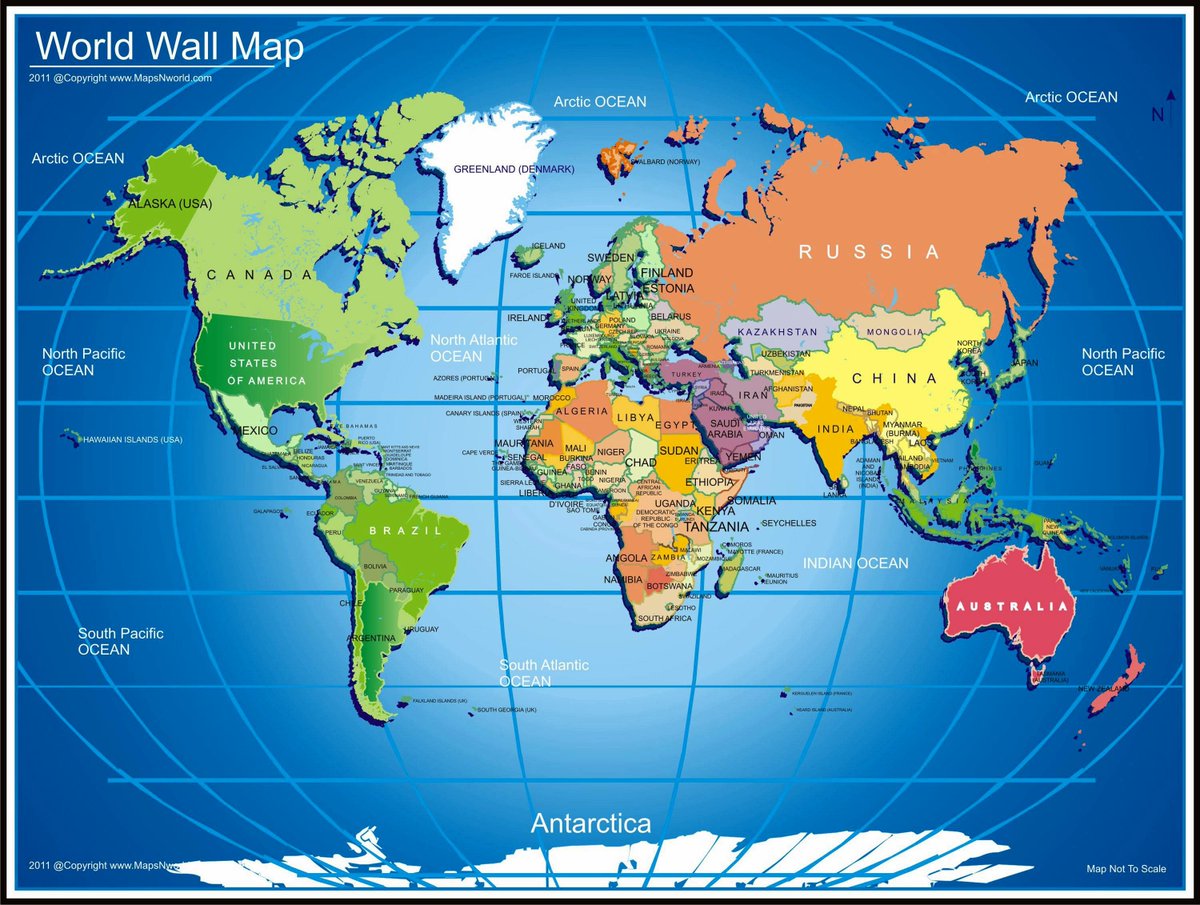
1. India and Pakistan: A Decades-Long Rivalry
India and Pakistan’s strained relationship traces back to the partition of British India in 1947. Disputes over Kashmir have led to multiple wars and ongoing military skirmishes. Despite numerous peace talks, mutual mistrust persists, making their political relationship one of the most complex in the world. This rivalry isn’t just about territory—it’s deeply rooted in history, religion, and national identity.
2. China and the United States: Economic Powerhouses at Odds
The rivalry between China and the U.S. has intensified over the past decade, fueled by trade disputes, technological competition, and differing political ideologies. Tensions over issues like Taiwan, human rights, and military expansion have made their relationship highly strained. American concerns about China’s growing influence have led to increased sanctions, tariffs, and strategic countermeasures.
3. China and Taiwan: A Contested Sovereignty
Taiwan remains a contentious issue stemming from China’s claim over the island as a breakaway province. Despite Taiwan functioning as a self-governing democracy, Beijing insists on reunification, often with the use of diplomatic pressure and military demonstrations. The U.S. maintains a delicate balance by supporting Taiwan’s defense without formal recognition, fueling ongoing tensions with Beijing.
4. Armenia and Azerbaijan: The Nagorno-Karabakh Conflict
The conflict over Nagorno-Karabakh has caused recurrent hostilities between Armenia and Azerbaijan. Despite ceasefire agreements, clashes erupt periodically, leading to casualties and displacement. The region’s status remains unresolved, with international efforts striving for a peaceful resolution, but ethnic and territorial disputes continue to fuel animosity.
5. Iran and Saudi Arabia: Clash of Ideologies
Iran and Saudi Arabia are regional powerhouses with deep-seated religious and political differences. Their rivalry manifests in proxy conflicts across Yemen, Syria, and Iraq. Each supports opposing factions, aiming to extend influence throughout the Middle East. Diplomatic relations are often strained, with regional stability directly affected by their ongoing rivalry.
6. Israel and Palestine: Legacy of a Prolonged Dispute
The Israeli-Palestinian conflict is one of the longest-running geopolitical disputes, centered around land, sovereignty, and human rights. Despite numerous peace initiatives, violence and disagreements over settlements, borders, and refugees continue. International efforts aim to find a two-state solution, but complex historical, religious, and political issues hinder progress.
7. North Korea and South Korea: Divided and Opposed
The Korean Peninsula remains divided after the Korean War, with North Korea pursuing nuclear weapons and South Korea maintaining a democratic government. Periodic military provocations and missile tests by North Korea heighten tensions, with diplomatic talks often stalling. The global community closely monitors their relationship due to security concerns.
8. Russia and Ukraine: Recent Escalations Turn Tensions to Conflict
The conflict between Russia and Ukraine escalated sharply in 2022, leading to a full-scale invasion that continues into 2025. Territorial disputes, political alignments, and historical ties drive their current hostilities. Western nations have responded with sanctions and military aid to Ukraine, underscoring the global significance of their rivalry.
9. Serbia and Kosovo: A Fragile Independence
Kosovo declared independence from Serbia in 2008, but Belgrade has yet to recognize it formally. Periodic clashes and political disagreements persist, mainly over sovereignty and ethnic tensions. International efforts continue to promote dialogue and peaceful coexistence, but the situation remains volatile.
10. Ethiopia and Eritrea: Long-Standing Disputes
Ethiopia and Eritrea fought a brutal border war from 1998 to 2000. Though a peace agreement was signed in 2018, underlying tensions and border disagreements still challenge relations. Rebel groups and political issues contribute to ongoing instability in the region.
11. Morocco and Algeria: Territorial and Political Rivalry
The Western Sahara dispute fuels tension between Morocco and Algeria, both of which have vested interests in the region. Algerian support for Polisario Front rebels opposed to Moroccan control exacerbates diplomatic and military standoffs, affecting regional stability.
12. Egypt and Ethiopia: Damming Tensions Over the Nile
The construction of Ethiopia’s Grand Ethiopian Renaissance Dam has raised Egypt’s concerns over water rights. Since the Nile River is vital for Egypt’s agriculture and water supply, disputes over dam operation and water management threaten regional peace and cooperation.
13. Cyprus and Turkey: A Divided Island
The island of Cyprus has been divided since 1974, with the Turkish Republic of Northern Cyprus recognized only by Turkey. Diplomatic efforts continue to reunify Cyprus, but territorial and ethnic disagreements make resolution difficult, impacting regional stability.
14. Nigeria and Cameroon: Cross-Border Tensions
Border disputes, insurgencies, and ethnic conflicts have strained Nigeria’s relationship with Cameroon. Attacks by insurgent groups like Boko Haram and complex border issues hinder regional cooperation and stability.
15. France and the United Kingdom: Historical and Political Rivalry
While today’s relations are generally cooperative, historical conflicts, Brexit consequences, and disagreements over policies like fishing rights in the English Channel fuel tensions between France and the UK. Diplomatic dialogue remains essential to maintain stability.
16. U.S. and Cuba: Strained Yet Evolving Relationship
Decades of embargoes, diplomatic freezes, and disagreements have characterized U.S.-Cuba relations. Recent efforts toward normalization have faced setbacks, with ongoing debates over human rights, political freedoms, and migration issues shaping their interactions.
17. Vietnam and China: Regional Power Tensions
Historical conflicts and ongoing disputes over maritime boundaries in the South China Sea keep Vietnam and China at odds. Vietnam asserts sovereignty over contested islands, while Beijing’s expansive claims threaten regional security.
18. Indonesia and Australia: Navigating Differences
Border security, maritime boundaries, and regional influence are sources of tension between Indonesia and Australia. Diplomatic efforts focus on cooperation in trade, security, and regional stability amid occasional disagreements.
19. Malaysia and Singapore: Disputes and Cooperation
While neighbors with close economic ties, Malaysia and Singapore have clashed over territorial boundaries, water rights, and airspace issues. Nonetheless, they collaborate extensively on trade, security, and regional development.
20. Brazil and Argentina: Competing Regional Leaders
Both nations vie for regional dominance in South America. Disagreements over trade policies, border issues, and international influence occasionally cause tension but are usually managed through diplomacy and economic agreements.
Note: These ongoing or historical rivalries illustrate the complex fabric of international relations. It is important to recognize that these conflicts are political and diplomatic, not necessarily reflective of the attitudes of the populations involved.
All information is accurate as of 2025.
 ChatGPT
 Perplexity
 Gemini AI
 Grok AI