Select Language:
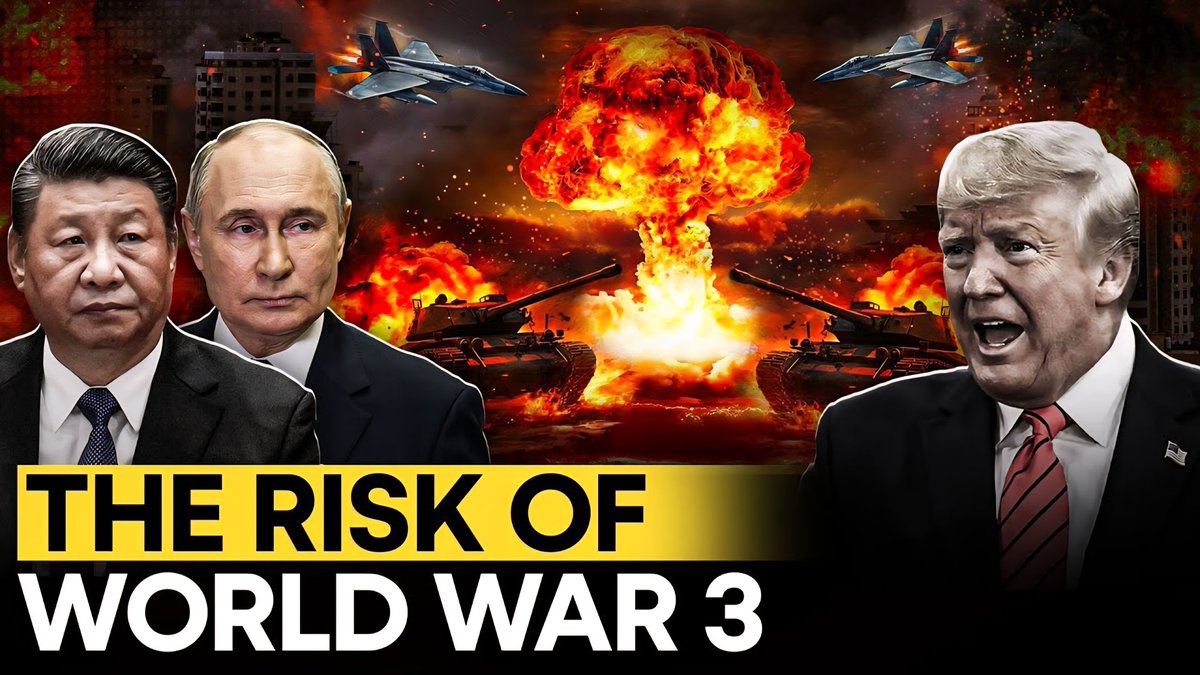
Countries at the Brink: Who’s Most Likely to Join World War III in 2025?
-
China and the United States — Tense Global Powers
In 2025, China and the United States remain high on the list of nations most likely to be involved in a future global conflict. The ongoing geopolitical rivalry, especially over trade, technology, and territorial claims in the South China Sea, fuels concerns. Both countries possess significant military capabilities, nuclear arsenals, and influence, making any escalation potentially catastrophic. Diplomatic tensions persist over Taiwan and cybersecurity threats, heightening fears of conflict.
-
Pakistan, Russia, and Iran — Regional Flashpoints
Pakistan faces unrest due to territorial disputes with India and internal insurgencies, raising its threat level. Russia’s ongoing conflicts in Ukraine and its strategic interests in neighboring regions keep it high on the risk list. Iran’s nuclear ambitions and regional proxy conflicts, especially in the Middle East, make it a key flashpoint. These nations could potentially trigger wider confrontations if conflicts escalate or alliances shift.
-
Africa’s Heightened Risks: Nigeria, DR Congo, and Others
Nigeria and the Democratic Republic of Congo (DR Congo) continue to grapple with internal conflicts, insurgencies, and resource struggles. Instability in these nations has the potential to spill over borders, involving neighboring countries and escalating into broader regional conflicts.
-
Middle East Tensions: Iraq, Afghanistan, Yemen, and Israel
The Middle East remains a volatile region in 2025. Iraq and Afghanistan still face instability, while Yemen’s ongoing civil war remains unresolved. Israel’s security situation, particularly concerning Iran and neighboring countries, sustains the risk of escalation. These persistent conflicts serve as potential catalysts for larger conflicts involving multiple nations.
-
Korea and Syria — Long-Standing Tensions
North Korea’s nuclear program and missile tests keep it high on the risk list, with potential for miscalculation leading to conflict. Syria’s ongoing civil war, with foreign interventions, keeps regional tensions alive, posing the risk of wider Middle Eastern conflict.
-
West Africa and Sahel: Mali, Burkina Faso, Somalia
Countries like Mali, Burkina Faso, and Somalia face insurgencies, political instability, and terrorism. These issues can escalate into broader regional instability, especially with foreign troop involvement or cross-border violence.
-
Israel and Its Neighbors — Persistent Tensions
Israel maintains a precarious security situation amid conflicts with neighboring Lebanon and threats from Iran-backed groups. Any flare-up could involve broader regional coalitions, risking wider war.
-
Europe’s Middle Ground: Germany, UK, France, and Poland
While traditionally seen as less likely, Europe remains vigilant. Tensions involving NATO, the Russia-Ukraine conflict, and internal political shifts could create scenarios where conflict ignites, especially with other regional crises.
-
Middle-Sized Powers with Potential: India, Indonesia, Bangladesh
India’s border disputes with China and Pakistan put it at a medium risk level, especially if diplomacy falters. Indonesia, Bangladesh, and other Southeast Asian nations face regional tensions, but current diplomacy keeps them relatively stabilized.
-
Lesser-Expected but Possible: Brazil, Vietnam, South Africa
Countries like Brazil, Vietnam, and South Africa stay at low risk. Nonetheless, resource competition, internal unrest, or regional alliances could, in theory, spark conflict.
Special Note: Most countries, including Japan, Uzbekistan, Hong Kong, and New Zealand, are at very low risk of involvement in World War III. Long-standing diplomacy, economic ties, and internal stability help maintain peace in these regions.
As tensions simmer globally into 2025, the potential for conflict hinges on diplomatic resolutions, unforeseen crises, and the fragile balance of power. Vigilance remains crucial as the world navigates these perilous waters.
 ChatGPT
 Perplexity
 Gemini AI
 Grok AI