Select Language:
Unveiling the Peace Landscape: Key Insights from the 2025 Global Peace Index
1. The Peace Rankings and Shifts in 2025
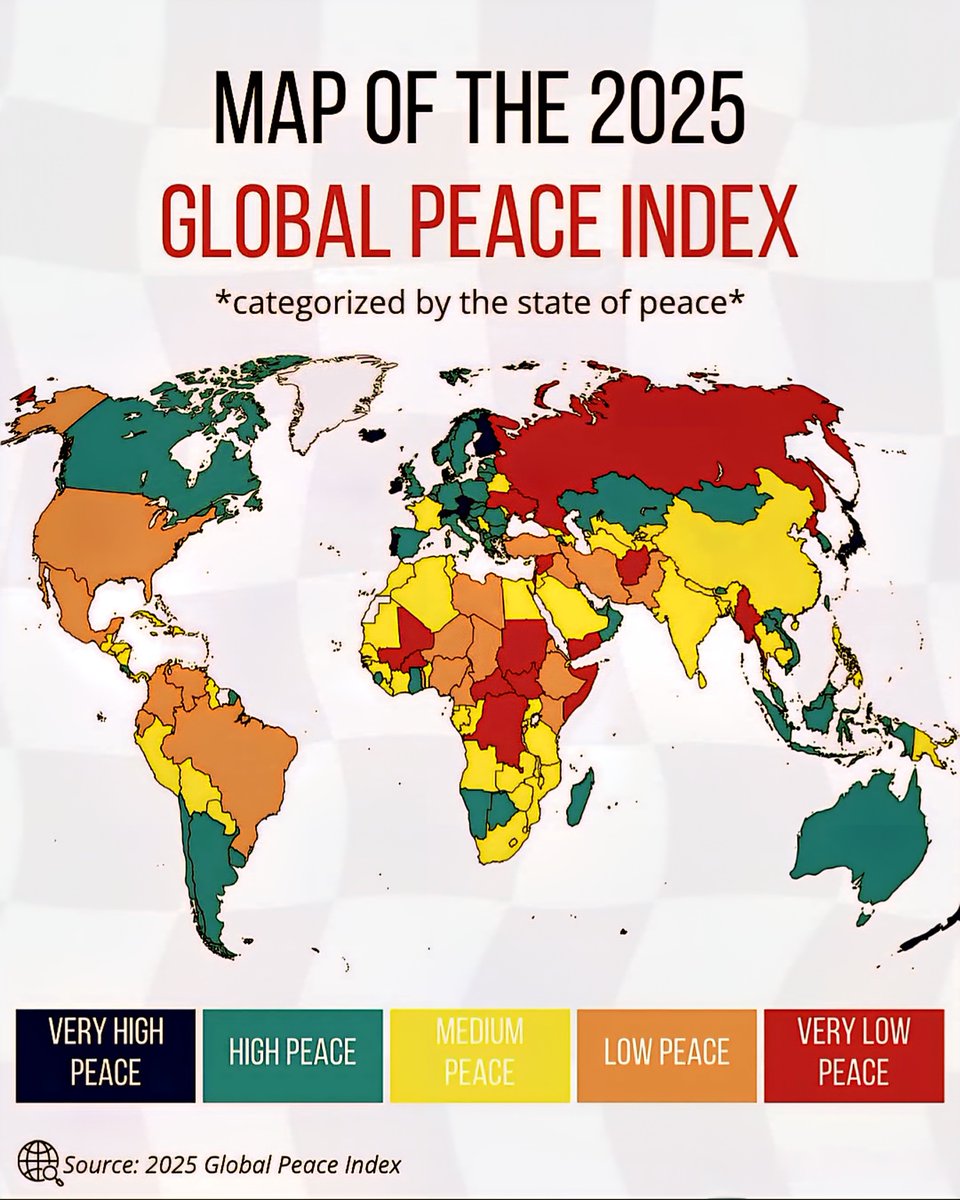
The 2025 Global Peace Index reveals notable shifts in the world’s peacefulness landscape. Iceland retains its top spot as the world’s most peaceful nation, thanks to its low crime rates, strong social bonds, and effective governance. Conversely, countries like Afghanistan and Yemen continue to grapple with conflict, placing them at the bottom of the scale. Interestingly, some nations in Eastern Europe and Southeast Asia have seen marked improvements or declines, reflecting regional political and economic changes.
2. Rising Regions and Emerging Peaceful Nations
While traditionally peaceful countries like Switzerland and Japan maintain their rankings, new entrants are making headlines. For instance, Uruguay and Portugal have climbed several positions, attributed to improved diplomatic relations, economic stability, and social cohesion. These countries exemplify how proactive governance and societal resilience can foster peace, even amid global uncertainties.
3. Persistent Conflict Zones and Their Impact
Despite global advances, conflict zones remain a significant concern. Yemen’s ongoing civil war and Afghanistan’s security instability continue to hinder peace efforts in those regions. The Index underscores how prolonged conflicts disrupt social cohesion, hinder economic development, and result in loss of innocent lives, emphasizing the urgent need for international intervention and sustainable peacebuilding strategies.
4. The Role of Governance and Socioeconomic Factors
The 2025 report highlights that nation stability significantly correlates with governance quality and socioeconomic conditions. Countries with transparent governments, robust justice systems, and socioeconomic equality typically rank higher in peace. Conversely, nations facing corruption, political unrest, and stark income disparities tend to experience higher levels of violence and instability.
5. Environmental Stability: A Rising Indicator of Peace
An emerging trend in the 2025 index is the link between environmental health and peace levels. Countries suffering from resource scarcity, ecological degradation, or climate-induced crises face increased social tension and conflict risk. Conversely, nations investing in sustainable development and climate resilience are increasingly seen as more peaceful, spotlighting the importance of climate policies in peacebuilding efforts.
6. The Impact of Global Political Tensions
The ongoing geopolitical tensions, especially among superpowers and in hotspot regions like the South China Sea and Eastern Europe, influence peace rankings worldwide. Sanctions, military posturing, and diplomatic disputes contribute to regional instability, affecting the peace scores of neighboring countries and regional blocs.
7. How the World Can Move Toward Greater Peace
The report suggests multi-layered strategies to enhance global peace, including fostering international cooperation, investing in education and economic development, and strengthening institutions that uphold human rights. Bridging societal divides, promoting inclusive governance, and environmental stewardship are also essential components of long-term peacebuilding.
8. What the 2025 Index Means for Global Policy
The insights provided by the 2025 Index serve as a critical guide for policymakers. Nations aiming to improve their peace index rankings are encouraged to prioritize social justice, transparency, and sustainable development. Multilateral efforts and shared security initiatives are vital to addressing the root causes of conflict and fostering a resilient, peaceful world.
As nations adapt to rapid geopolitical, environmental, and social changes, the 2025 Global Peace Index offers an invaluable snapshot of where progress has been made and where urgent attention is needed. The interplay of governance, socioeconomic stability, and environmental health remains paramount in shaping a safer, more peaceful future for all.
Note: The geographic insights and country rankings are based on the 2025 index, highlighting ongoing trends and future outlooks in global peace.
Image Source: Twitter
 ChatGPT
 Perplexity
 Gemini AI
 Grok AI