Select Language:
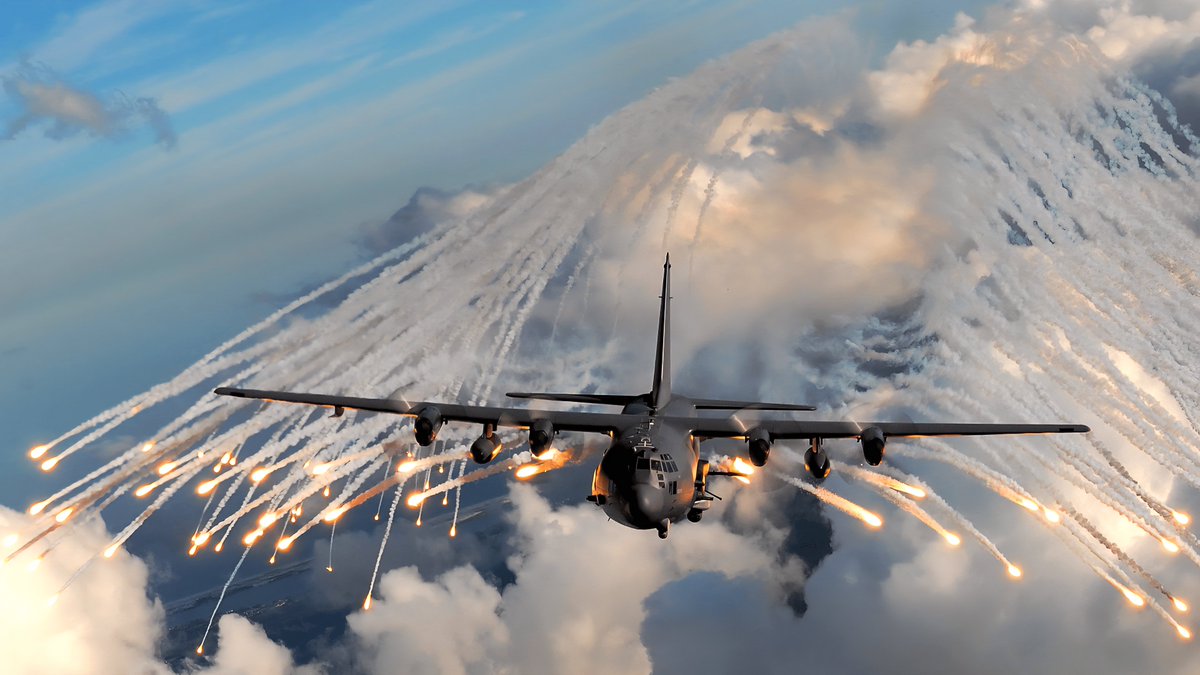
A Historical Overview of U.S. Bombings Since 1945: The Countries Affected
1. Early Post-World War II Bombings in China (1945–1946)
In the immediate aftermath of World War II, the United States carried out bombing campaigns over China, primarily targeting Japanese forces during their occupation. These operations, though phased out by 1946, marked the beginning of a long history of U.S. aerial interventions.
2. The Korean War and Its Bombing Campaigns (1950–1953)
The Korean War saw extensive aerial bombardments by the U.S. in both North and South Korea. North Korea became a primary target of strategic bombing efforts aimed at crippling the North’s military infrastructure, leading to widespread destruction and civilian casualties.
3. U.S. Strikes in Guatemala (1954)
In 1954, the United States intervened in Guatemala, conducting covert operations that included bombing missions aimed at overthrowing the democratically elected government of Jacobo Árbenz. These actions contributed to decades of instability in Central America.
4. Indonesia’s Independence Struggles (1958)
The U.S. participated in covert operations that led to bombings in Indonesia amidst the country’s fight for independence from Dutch colonial rule. Though less documented, these efforts are linked to broader Cold War strategies to contain communism.
5. Vietnam, Laos, and Cambodia (1965–1973)
The Vietnam War saw relentless U.S. bombing campaigns over Vietnam, Laos, and Cambodia. Laos was heavily bombed in a secret war to disrupt supply lines, while Cambodia endured extensive airstrikes to target insurgent sanctuaries, both resulting in long-lasting scars.
6. Middle East Interventions: Lebanon, Libya, and Iran (1983–1988)
- Lebanon (1983–1984): U.S. bombings targeted Lebanese factions during the Lebanese Civil War, contributing to the complex regional conflict.
- Libya (1986): The U.S. launched airstrikes against Libyan targets in response to terrorism threats.
- Iran (1987–1988): During the Iran-Iraq war, the U.S. conducted surveillance and strikes, notably in the Gulf of Oman.
7. Central American Conflicts: Nicaragua and El Salvador (1980s)
The U.S. supported anti-communist forces in Nicaragua, with covert and overt bombing campaigns aimed at destabilizing the Sandinista government. Similar interventions extended to El Salvador and neighboring countries.
8. Gulf War and Post-War Bombing in Iraq and Kuwait (1991–1996)
- Iraq: The Gulf War of 1991 involved intensive bombing campaigns that targeted Iraqi military infrastructure.
- Kuwait: The conflict also included strikes on Kuwaiti oil fields and military sites, linked to the invasion by Iraq.
- Afterward, Iraq experienced ongoing no-fly zones and recurring bombings through the 1990s.
9. The Balkan Conflicts and Yugoslavia (1995–1999)
NATO, led primarily by the U.S., conducted bombing campaigns in Bosnia and Serbia during the tumultuous Balkan Wars, aimed at stopping ethnic violence and imposing peace agreements.
10. Post-9/11 Interventions (2001–2025)
- Afghanistan (2001–2021): The longest U.S. military engagement included relentless drone strikes and air campaigns targeting Taliban and terrorist networks.
- Iraq (2003–2011, ongoing): Bombing operations aimed at insurgents, terrorist cells, and later, ISIS, showcasing a prolonged military footprint.
- Syria and Yemen (2014–present): The U.S. has conducted drone strikes, air raids, and missile attacks against terrorist groups in Syria and Yemen, often amid complex regional conflicts.
- Somalia (2007–present): Persistent drone strikes and bombing campaigns target extremist groups like Al-Shabaab.
- Other regions, including Pakistan’s tribal areas, continue to witness targeted strikes.
11. Recent Escalations and Future Projections (2024–2026)
Recent years have seen an escalation in U.S. military operations, including increased drone strikes and air raids across Africa, the Middle East, and parts of South America. The projection indicates potential future actions in Nigeria, Venezuela, Iran, and Myanmar, reflecting a more globally spread campaign.
12. The Scope and Controversy of U.S. Bombing Campaigns
The list of countries bombed by the United States since 1945 reflects a complex history of military interventions, often justified by geopolitics, counterterrorism, or efforts to contain communism. These campaigns have resulted in significant civilian casualties, destruction, and long-term regional instability.
Note: This compilation covers direct U.S. bombing, airstrikes, drone operations, and missile attacks. NATO or coalition-led interventions are included only when the U.S. played a leading role.
Sources: William Blum (Rogue State, Killing Hope), Maurer.ca US Bombing List, Wikispooks, ACLED (2025), Al Jazeera, Reuters, Antiwar.com, Newsweek
 ChatGPT
 Perplexity
 Gemini AI
 Grok AI