Select Language:
Major Global Challenges in 2026: A Country-by-Country Breakdown
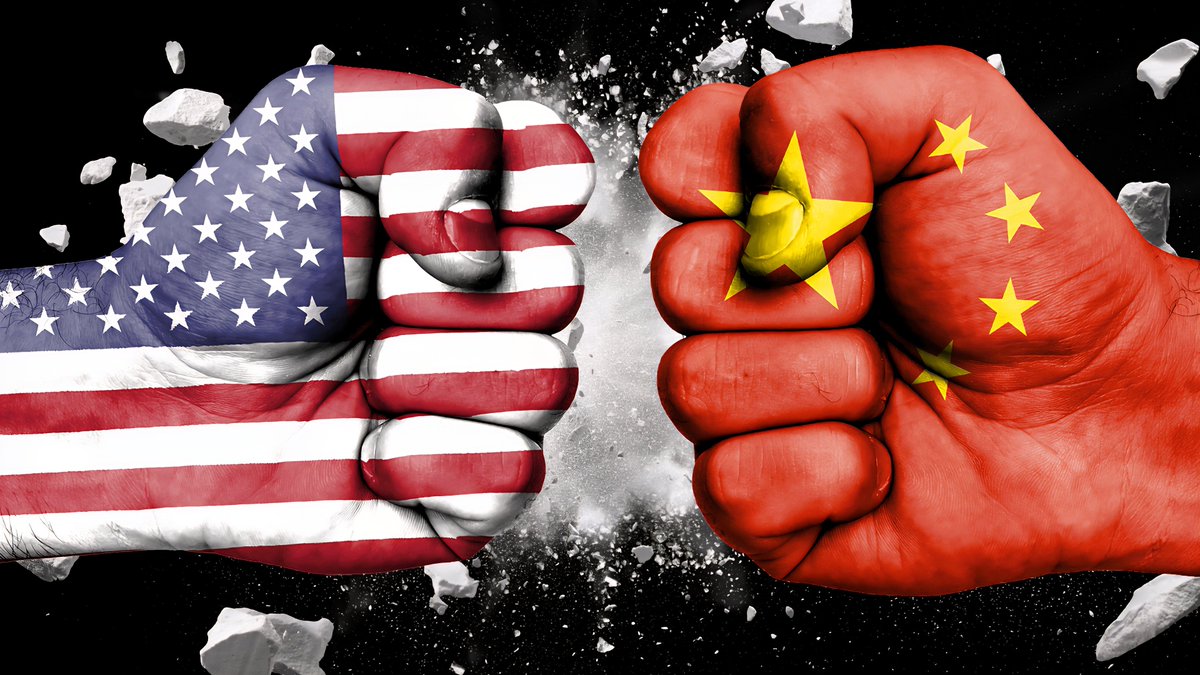
United States: Battling Rising Debt and Gun Violence
The United States continues to grapple with an escalating national debt that threatens economic stability. Meanwhile, gun violence remains a persistent and tragic issue, contributing to safety concerns across cities and rural areas alike. Policymakers face mounting pressure to balance fiscal responsibility while enacting sensible gun control measures.
India: Struggling with Unemployment and Overpopulation
India’s rapid population growth fuels increased pressure on employment opportunities. Despite economic strides, many young workers face unemployment. Infrastructure and social services are stretched thin, raising questions about sustainable growth and resource management.
China: Aging Population and Rising Regional Tensions
China’s demographic shift toward an aging populace poses long-term challenges for its workforce and social services. Concurrently, regional tensions, especially with neighboring countries, have heightened, impacting stability and diplomatic relations.
Japan: Dealing with Population Decline and Economic Stagnation
Japan’s population continues to shrink, leading to a shrinking labor force and increased dependency ratios. The country is also experiencing stagnation in economic growth, prompting debates over immigration policies and economic reform.
Russia: Navigating Sanctions and Political Repression
Sanctions imposed by Western nations persist, straining Russia’s economy. Internal repression increases as dissenting voices face censorship, leading to concerns about human rights and political freedoms.
Germany: Aging Society and Migrant Integration
Germany confronts an aging population that strains healthcare and pension systems. Efforts to integrate migrants and refugees are ongoing but face social and political hurdles, affecting cohesion and stability.
United Kingdom: Cost of Living and Healthcare Under Pressure
The UK faces a rising cost of living that impacts millions of households. Healthcare systems experience increased demand amid staffing shortages, sparking nationwide debates over health policy reforms.
France: Addressing Social Unrest and Youth Unemployment
France witnesses frequent protests driven by social unrest, with youth unemployment remaining alarmingly high. Economic disparities and job prospects for young adults are at the heart of ongoing demonstrations.
Italy: Heavy Public Debt and Persistent Unemployment
Italy’s soaring public debt continues to restrict economic growth. Unemployment, especially among youth, remains a hurdle, with many young Italians seeking opportunities abroad.
Brazil: Deforestation and Widening Inequality
Amazon deforestation accelerates, threatening environmental and indigenous rights. Economic inequality also persists, with marginalized communities demanding greater social justice.
Australia: Natural Disasters and Housing Affordability Crisis
Climate change has led to an increase in natural disasters such as wildfires and floods. Simultaneously, soaring housing costs make homeownership increasingly elusive for many Australians.
Canada: Housing Affordability and Indigenous Rights
Canada is wrestling with a housing crisis characterized by skyrocketing prices and limited supply. Indigenous communities face ongoing struggles related to rights, land access, and social services.
South Korea: Security Threats and Falling Birth Rates
Border security remains a concern, especially related to North Korea. Meanwhile, South Korea’s low birth rate threatens future demographic stability, prompting government incentives for family growth.
South Africa: High Crime Rates and Widespread Unemployment
South Africa’s high crime levels and unemployment rate continue to impede economic development. Socioeconomic disparities fuel social tensions, calling for comprehensive reforms.
Middle Eastern Cases: Political Instability and Environmental Challenges
Turkey faces political turmoil compounded by devastating earthquakes, while Egypt confronts inflation and human rights issues amidst economic hardship. Indonesia struggles with deforestation and environmental disasters in its archipelago.
Persistent Conflict Zones
Regions such as Syria, Yemen, and the Democratic Republic of Congo remain entrenched in war, humanitarian crises, and disease outbreaks. International efforts continue but face obstacles tied to complex local dynamics.
Europe: Navigating Demographic Shifts and Political Divisions
Many European countries—such as Greece, Poland, and Hungary—are experiencing aging populations, political polarization, and migration pressures. These issues threaten social cohesion and economic stability across the continent.
Asia’s Challenges: Security, Environment, and Population
From Iran’s protests to India’s overpopulation, Asia faces a mixture of security concerns, environmental degradation, and demographic transitions. Conflict, pollution, and governance issues intersect, prompting urgent policy responses.
Sub-Saharan Africa: Facing Poverty, Conflicts, and Healthcare Struggles
Countries like Nigeria, Ethiopia, and South Sudan battle high poverty levels, armed conflicts, and health crises. Droughts and resource scarcity exacerbate existing vulnerabilities requiring increased international support.
Latin America: Economic Fluctuations and Social Tensions
Argentina’s inflation persists, while Mexico confronts drug violence and corruption. Political instability and economic challenges continue shaping regional developments.
The Middle East and Gulf States: Demands for Rights and Economic Diversification
Saudi Arabia grapples with youth unemployment and rights issues, sparking calls for reform. Qatar and Kuwait focus on economic diversification amid heavy reliance on oil, facing pressures from climate and social factors.
As the world navigates these multifaceted problems, international cooperation, innovative policymaking, and societal resilience will be crucial in shaping a sustainable future for 2026 and beyond.
Note: This overview is intended solely for educational purposes and reflects ongoing trends based on recent reports and analyses.
 ChatGPT
 Perplexity
 Gemini AI
 Grok AI