Select Language:
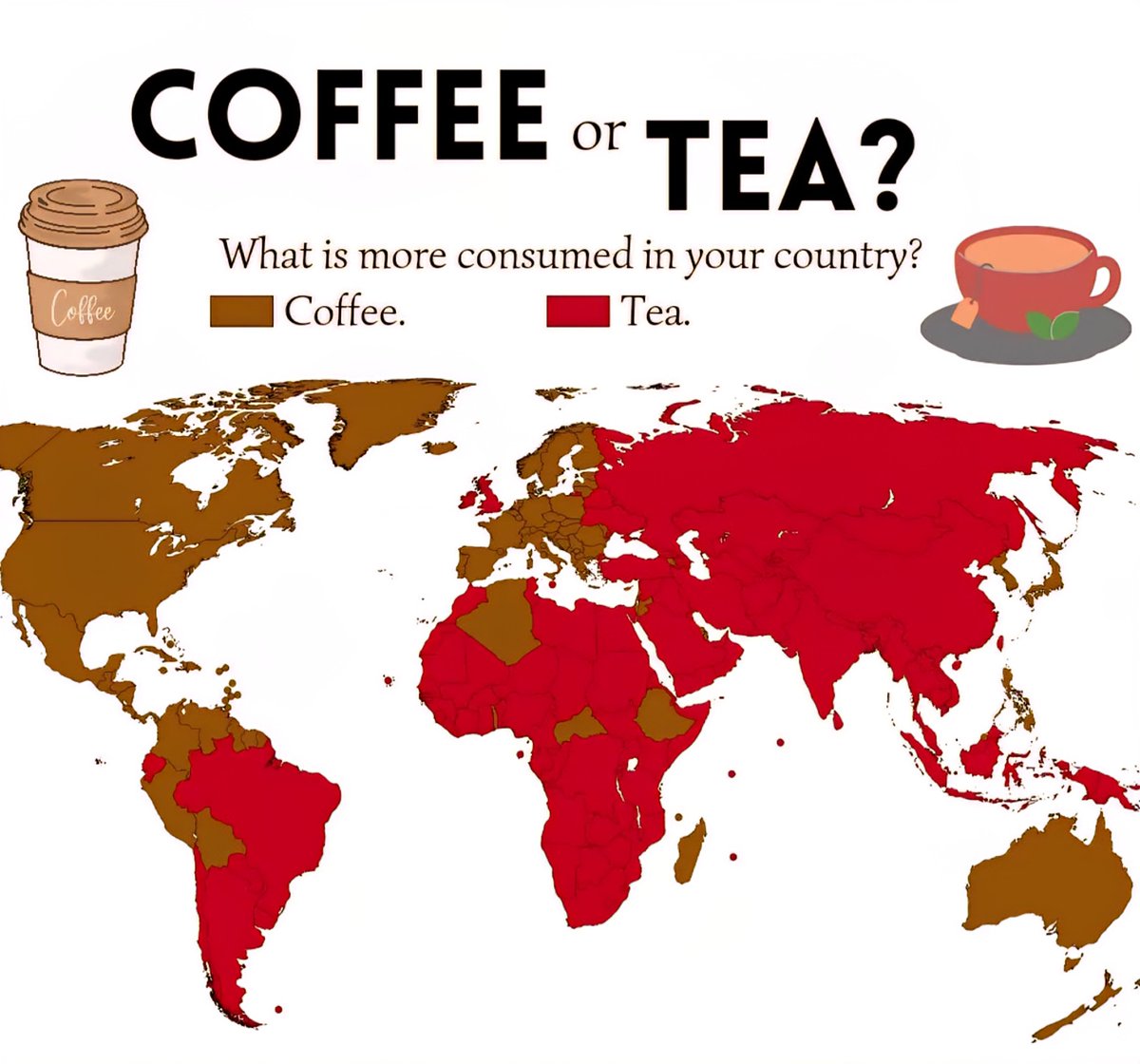
Coffee or Tea: The Most Popular Beverage by Country in 2025
1. Finland Dominates as the World’s Coffee Champion
Finland continues to hold its position as the global leader in coffee consumption, with the average Finn drinking approximately 12 kilograms (around 26 pounds) of coffee per person annually. Coffee culture in Finland runs deep, with traditional “kahvi” breaks a staple of daily life, often enjoyed during work hours and social gatherings. Finns favor light roasted coffee, and the country’s warm climate has not slowed their love for this energizing beverage, especially during the long, dark winters.
2. Turkey’s Love for Tea Runs Deep in Daily Rituals
Turkey remains the top tea-consuming country globally, with Turks drinking over 3.5 kilograms (about 7.7 pounds) of tea per capita each year. Turkish-style tea is integral to social life, often served black in slender tulip-shaped glasses, accompanied by sweet treats like Turkish delight. Tea is more than just a beverage in Turkey; it’s a symbol of hospitality and a daily ritual that connects friends and family.
3. United States Embraces Coffee as the Daily Must-Have
The United States continues to see a surge in coffee consumption, with Americans drinking an average of 4.4 kilograms (around 9.7 pounds) per person annually. Coffee shops have become the third places after home and work, fostering a vibrant culture of specialty brews, artisanal roasts, and innovative beverages. The popularity of third-wave coffee has contributed to the American obsession with high-quality, ethically sourced beans, and at-home brewing technology has made gourmet coffee accessible to the masses.
4. Germany’s Preference for Coffee in Social Settings
Germany ranks high in coffee consumption, with Germans consuming about 6.5 kilograms (roughly 14 pounds) of coffee per capita each year. Coffee in Germany is often enjoyed in cafes with friends or during leisurely weekend mornings. The country has a rich history of coffeehouse culture, and locally roasted beans, coupled with traditional brewing methods like the “Aromapreise,” are popular among enthusiasts. The diversity of brewing styles also reflects Germany’s appreciation for quality and tradition.
5. Japan’s Keen Interest in Green Tea and Specialty Coffees
While green tea remains a staple in Japanese households, especially for health benefits and traditional ceremonies, recent trends indicate a growing interest in specialty coffee. Japan consumes roughly 2.2 kilograms (around 4.9 pounds) of tea per person per year, yet coffee sales are rising due to a rising café culture, export of single-origin beans, and a growing younger demographic eager to explore world coffee trends. Japanese consumers value precision in brewing and flavor notes, often turning to high-end cafes for curated experiences.
6. China’s Shift Toward Coffee Amid Tea Tradition
Traditionally a tea-dominant society, China is experiencing a rapid increase in coffee consumption, with a notable rise among urban residents. The country now consumes approximately 1.5 kilograms (around 3.3 pounds) per person annually, a significant jump from previous years. International coffee chains have expanded rapidly, and local specialty cafes are emerging, blending traditional Chinese flavors with coffee innovations. Despite the shift, tea remains an essential part of Chinese culture, but younger generations are increasingly embracing coffee as a social and lifestyle beverage.
In Summary, the cultural importance and consumption levels of coffee and tea continue to evolve globally in 2025. While Finland maintains its top spot in coffee consumption fueled by long-standing traditions, Turkey leads globally in tea drinking, deeply woven into everyday social rituals. The United States demonstrates a robust coffee culture, fueled by innovation and specialty brews, whereas traditional European and Asian markets balance between historic preferences and modern trends. As countries continue to blend tradition with innovation, the global beverage landscape promises exciting developments ahead.
Note: The image used in this article illustrates the vibrant and diverse beverage culture associated with coffee and tea worldwide.
 ChatGPT
 Perplexity
 Gemini AI
 Grok AI