Select Language:
Top Countries with the Largest Gold Reserves in 2025
1. United States Dominates the Global Gold Stockpile
The United States continues to hold the world’s largest gold reserves, with a staggering 8,133 tonnes. This extensive reserve reflects the country’s longstanding tradition of gold accumulation as a foundation for economic stability and national security.
2. Germany and Italy Follow Close Behind
Germany holds 3,350 tonnes of gold, making it the second-largest holder globally. Italy’s reserves amount to 2,452 tonnes. Both countries maintain significant gold holdings as part of their monetary policies and economic resilience strategies.
3. France and Russia Strengthen Their Reserves
France’s gold reserves sit at 2,437 tonnes, ranking fourth worldwide. Russia has increased its gold holdings to 2,327 tonnes, emphasizing its focus on diversification amid ongoing geopolitical tensions.
4. China’s Growing Gold Portfolio
With 2,306 tonnes, China solidifies its position as a major holder of gold reserves, reflecting its aim to diversify foreign exchange reserves and bolster its economic influence globally.
5. Switzerland and India’s Robust Reserves
Switzerland holds 1,040 tonnes of gold, maintaining its reputation as a global financial hub. India’s gold reserves stand at 880 tonnes, underscoring the country’s cultural affinity for gold and its importance as a financial asset in Asia.
6. Asian Powers Expand Their Holdings
Japan holds 846 tonnes, while Turkey has 614 tonnes, indicating growing interest in gold among Asian and Middle Eastern nations, often seen as a hedge against economic uncertainty.
7. European Countries Hold Substantial Gold Stockpiles
Netherlands (612 tonnes), Poland (550 tonnes), and the Euro Area collectively hold significant reserves, reinforcing their roles in the global financial ecosystem.
8. Stakeholders in Asia and Middle East Make Moves
Taiwan (424 tonnes), Uzbekistan (390 tonnes), and Portugal (383 tonnes) have expanded their holdings, demonstrating strategic diversification and national economic planning.
9. Oil-Rich and Developing Nations Increase Reserves
Saudi Arabia (323 tonnes), Nigeria, and other resource-dependent nations actively increase their gold holdings as a hedge against fluctuating commodity prices and economic shocks.
10. Smaller Nations and New Entrants Expand Reserves
Countries like Bangladesh, Bolivia, and Ghana are boosting their gold reserves, recognizing the importance of precious metals for financial stability amid global turbulence.
Global Gold Reserve Distribution Overview
Despite the top holders accounting for a significant portion of the world’s gold, several smaller countries are actively increasing their shares. Such moves signal a global trend of diversifying reserves to safeguard economies amid geopolitical tensions, currency fluctuations, and digital currency advancements.
Visual Trends in Gold Reserves
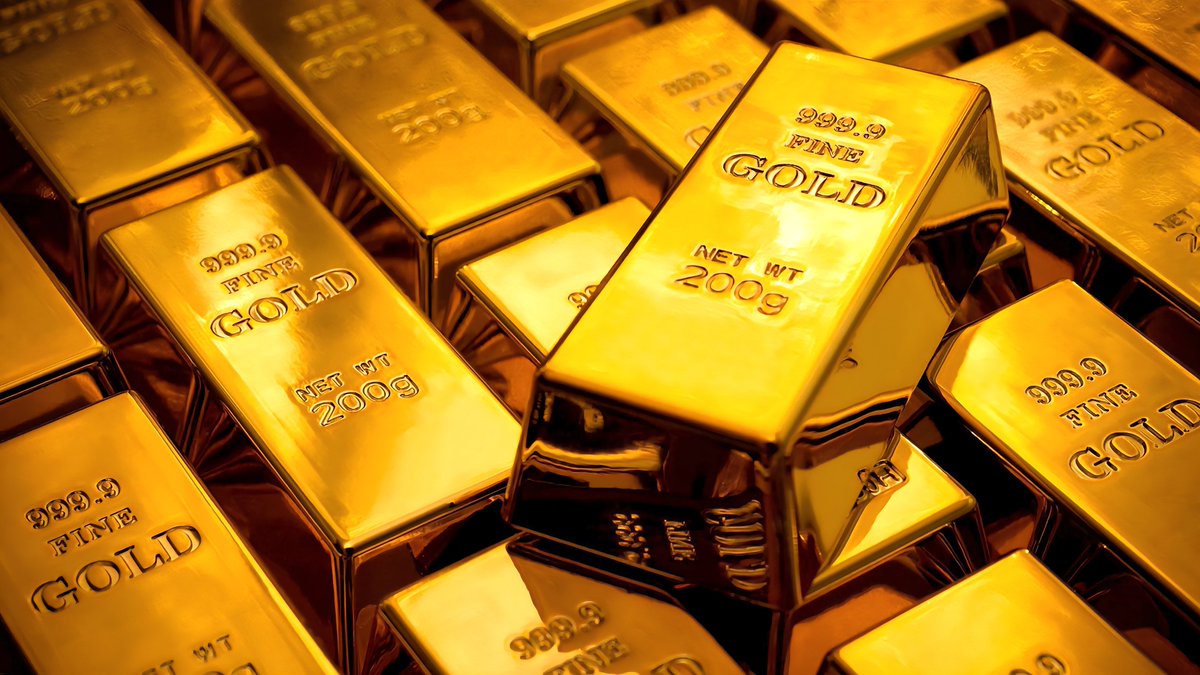
The image below illustrates the comparative scale of these reserves, with the United States clearly leading, and a diverse group of nations actively managing their gold assets to bolster sovereignty and economic resilience in 2025.
Summary:
As of 2025, worldwide gold reserves remain a vital pillar of national economic stability. The United States continues to dominate, but many countries across Europe, Asia, and the Middle East are following suit, recognizing gold’s role as an essential hedge in uncertain times. Nations are strategically increasing and managing their reserves, reflecting a collective effort to weather global economic shifts over the coming years.
 ChatGPT
 Perplexity
 Gemini AI
 Grok AI