Select Language:
Nutritional Breakdown of 100-Gram Chicken Cuts in 2025
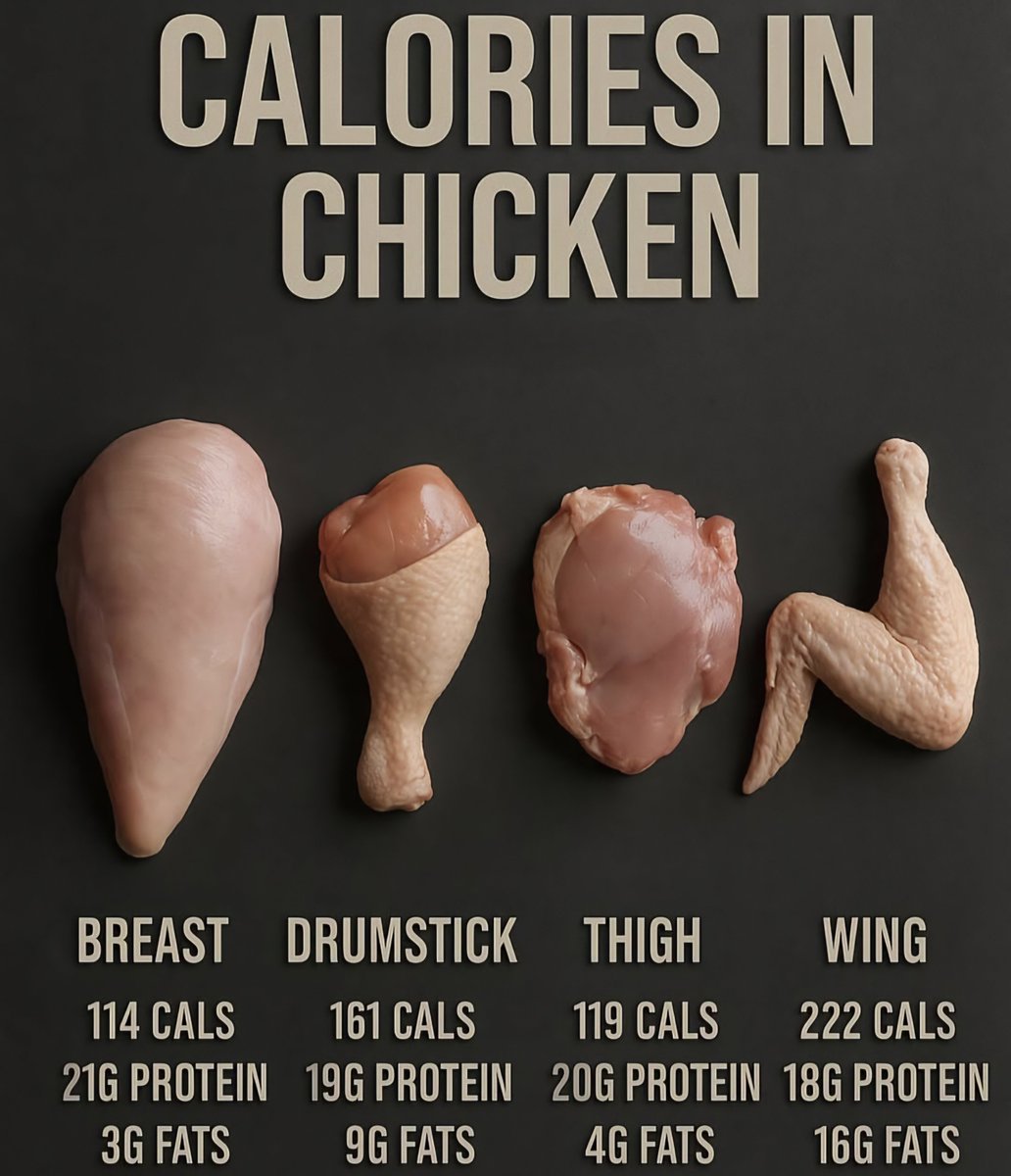
Understanding the nutritional content of different chicken cuts can help you make smarter choices for your diet. Here’s a detailed look at the calorie and macro breakdown of 100 grams of various chicken parts as of 2025, providing valuable insights for meal planning and nutritional tracking.
The Calorie and Macronutrient Profile of Chicken Breast
Calories: 114
Protein: 21 grams
Fats: 3 grams
Chicken breast remains the leanest cut, making it a top choice for those pursuing high protein intake with minimal fat. Its low caloric content and high protein density support muscle building and weight management goals. Its versatility allows it to be prepared in countless ways, from grilling to baking, without significantly impacting its nutritional integrity.
Drumstick: A Juicier, Flavorful Option
Calories: 161
Protein: 19 grams
Fats: 9 grams
The drumstick offers a balance between flavor and nutrition. With higher fats than chicken breast, it provides more calories, resulting in a richer taste and juicier texture. Its moderate protein content still supports muscle repair, and it’s often favored for roasting or slow cooking to enhance flavor.
Nutritional Appeal of Chicken Thighs
Calories: 119
Protein: 20 grams
Fats: 4 grams
Chicken thighs sit comfortably in the middle of the spectrum—more flavorful than breasts but relatively low in fats compared to wings. They are a nutritious choice for those seeking a balance of taste and health benefits, especially when baked or grilled. Their slightly higher fat content adds to their succulence, making them popular in various cuisines.
The Richness of Chicken Wings
Calories: 222
Protein: 18 grams
Fats: 16 grams
Chicken wings are the fattiest among common cuts, offering a more indulgent option. With nearly double the calories of chicken breast per 100 grams, wings are ideal for special occasions or distract from calorie counting. They are often prepared fried or coated in sauces, which further increases their calorie count. Despite their higher fat content, wings are beloved for their crispy texture and bold flavor.
Why Understanding Chicken Nutritional Content Matters
Knowing the caloric and macro profiles of different chicken cuts empowers consumers to align their food choices with health and fitness goals. Whether you’re focusing on lean muscle growth, calorie reduction, or flavorful indulgence, selecting the right cut can make a significant difference.
For example, athletes and dieters aiming for high protein with minimal fats might prefer chicken breast, while those looking for richer tastes might lean toward thighs or wings but should account for their higher calorie content. Cooking methods also influence nutritional profiles—grilling or baking generally preserves health benefits better than frying.
Tips for Incorporating Chicken into a Healthy Diet
- Use skinless chicken breast for salads, sandwiches, and quick meals focused on high protein with low fat.
- Opt for skin-on thighs or drums when flavor and juiciness are prioritized; remove the skin to cut down fat content.
- Limit fried wings or prepare them with healthier coatings and baking techniques.
- Balance chicken intake with plenty of vegetables, grains, and healthy fats to ensure a well-rounded diet.
Final Note
As of 2025, chicken continues to be one of the most popular proteins worldwide, thanks to its versatility, affordability, and nutritional profile. Making informed choices about which cuts to include in your meals can optimize your health while satisfying your palate.
Remember: Always adjust your portion sizes according to your dietary needs and consider cooking methods that preserve the nutritional value of your chicken.
Stay tuned for more updated nutritional guides and tips to help you make healthier choices every day!
 ChatGPT
 Perplexity
 Gemini AI
 Grok AI