Select Language:
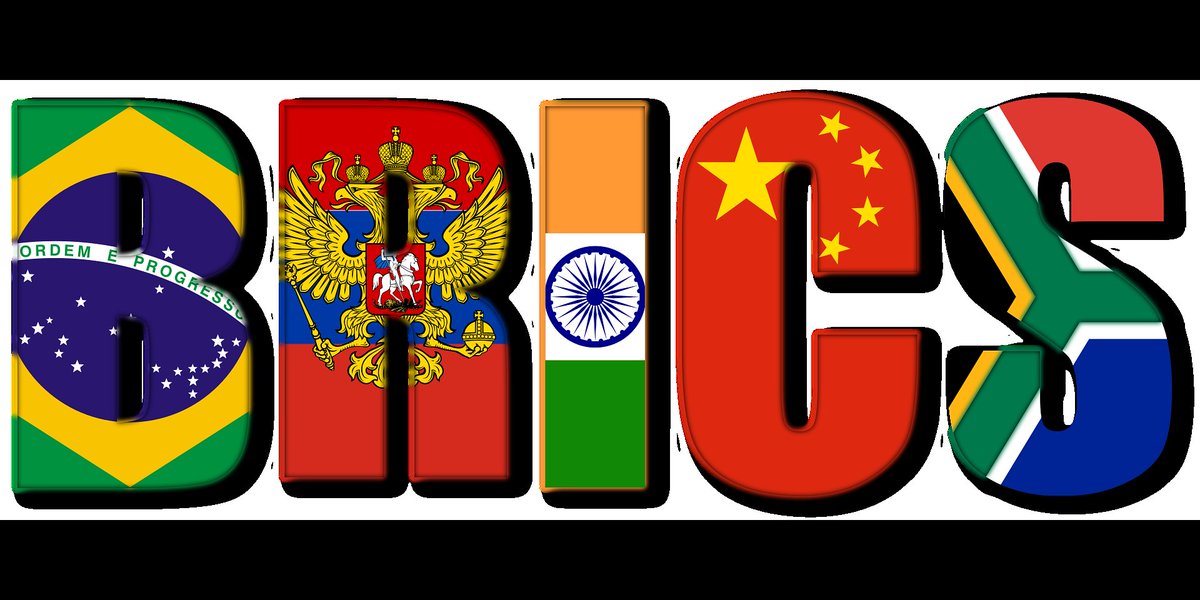
BRICS Countries in 2025: A Snapshot of Member Economies and Emerging Partners
Brazil: The Largest Economy in South America
Brazil’s economy hits approximately $2.13 trillion this year, solidifying its position as South America’s dominant economic force. With vast natural resources, a thriving agricultural sector, and an expanding industrial base, Brazil continues to play a crucial role within the BRICS alliance.
Russia: Maintaining Its Strategic Influence
Russia’s GDP sits at around $2.08 trillion, maintaining its significance on the global stage. Despite geopolitical challenges, its energy exports and military prowess keep it as a key member of BRICS.
India: The Rapidly Growing Powerhouse
India’s economy has surged to approximately $4.19 trillion. With a burgeoning middle class, technological innovation, and a focus on infrastructure development, India’s economic trajectory remains upward, reinforcing its leading role within BRICS.
China: The Largest Member with Unmatched Global Influence
China’s economy stands tall at about $19.23 trillion, remaining the world’s second-largest economy after the United States. Its manufacturing hub, technological advancements, and increasing domestic consumption make it central to BRICS’s collective strength.
South Africa: Africa’s Largest Economy
South Africa’s GDP reaches roughly $410 billion. As the continent’s most developed economy, it provides a vital link between Africa and the broader BRICS framework.
Egypt: The Leading African Arab Economy
Egypt’s economy is valued at approximately $347 billion. Its strategic location, growing infrastructure, and sector diversification position it as a key partner within the expanded BRICS network.
Ethiopia: The Rising Horn of Africa
Ethiopia’s projected GDP hits around $117.5 billion, reflecting its rapid economic growth fueled by investments in manufacturing, agriculture, and urban development.
Iran: A Strategic Middle Eastern Player
Iran’s economy, valued at about $341 billion, continues to leverage its energy sector and regional influence, despite international sanctions and geopolitical tensions.
United Arab Emirates: The Gulf’s Economic Powerhouse
The UAE’s GDP stands at an estimated $548.6 billion in 2025. Its diversified economy, focusing on finance, tourism, and logistics, cements its position within BRICS economic dialogues.
Indonesia: Southeast Asia’s Largest Economy
Indonesia’s GDP reaches approximately $1.43 trillion, driven by its vibrant domestic markets, resource-rich sectors, and growing tech industry.
Countries Officially Invited but Not Yet Full Members
Saudi Arabia: With a GDP of roughly $1.08 trillion, Saudi Arabia’s strategic importance due to its energy resources could soon propel it into full BRICS membership, pending negotiations.
BRICS+ Partner States: Expanding the Bloc’s Reach
Countries like Nigeria ($188 billion), Malaysia ($445 billion), and Thailand ($546 billion) serve as strategic partners, enriching BRICS with their regional influence, economic diversity, and developmental priorities.
Countries Officially Applying for BRICS Membership
Several nations, including Pakistan ($411 billion), Bangladesh ($467 billion), and Colombia ($428 billion), have officially submitted applications, signaling a desire to join the expanding economic coalition. Their inclusion could alter the geopolitical landscape in the coming years.
Emerging Aspirants: Showing Interest in Joining
Countries such as Angola ($113 billion), Ghana ($88 billion), and Peru ($303 billion) have expressed explicit interest in becoming full members, highlighting BRICS’s appeal as a platform for emerging markets seeking global influence.
Notable Data Gaps
Some nations, including Cuba, Palestine, Laos, Sri Lanka, and Syria, lack recent GDP data, but their interest in joining or partnering with BRICS signals a broader regional strategy.
The path ahead for BRICS looks dynamic, with economic powerhouses from across continents eyeing expanded cooperation. As the bloc continues to grow, it could challenge traditional dominance in global economic and political arenas, shaping a new multipolar world order.
GDP figures are sourced from IMF reports as of 2025.
 ChatGPT
 Perplexity
 Gemini AI
 Grok AI