Select Language:
Top Global Leaders: How Citizens Are Rating Their Leaders in 2025
- Narendra Modi Continues to Dominate Global Approval Ratings
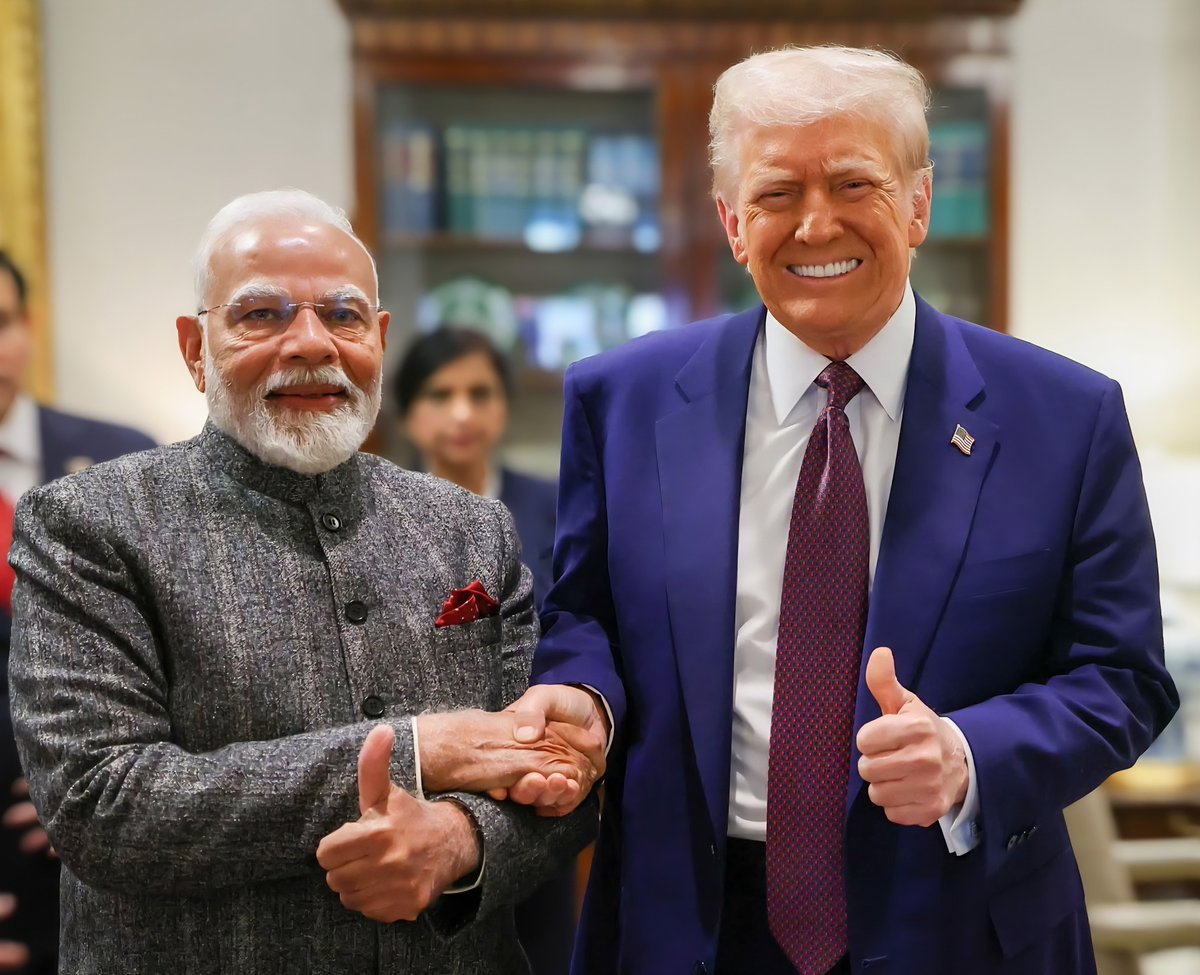
India’s Prime Minister Narendra Modi maintains a strong approval rating of 71%, making him the most popular leader worldwide in 2025. Surveys indicate that a significant portion of the Indian population remains satisfied with Modi’s leadership, citing economic growth and national security policies as key reasons for their support. His high approval rating reflects stability in India’s political landscape despite global economic uncertainties.
- Japanese Politician Sanae Takaichi Sees Notable Support
With a 61% approval rating, Sanae Takaichi, a leading figure within Japan’s government, shows strong confidence from her constituents. Her focus on advancing technological innovation and economic reforms has resonated well with voters, securing her position as a prominent leader in the Asian Pacific region.
- South Korean Leadership Goes Popular
Lee Jae-myung, South Korea’s influential politician, secures a 56% approval rating. Citizens appreciate his efforts to enhance social welfare programs and stimulate the economy amid regional tensions. His popularity underscores South Korea’s dynamic political climate and the public’s trust in his leadership.
- Argentine Politician Javier Milei Gains Ground
Javier Milei from Argentina has garnered a 55% approval rating. Known for his unconventional approach and bold economic policies, Milei’s support signifies a shift toward populist leadership in South America, as voters seek change from traditional politics.
- Western Leaders Hold Moderate Support
Mark Carney of Canada and Anthony Albanese of Australia have approval ratings of 48% and 47%, respectively. Both leaders face the challenge of balancing economic recovery with social issues, which reflects in their steady but moderate public support.
- Mexico’s Claudia Sheinbaum Sees a Slight Drop
Claudia Sheinbaum’s approval stands at 45%. Her focus on reducing inequality and improving healthcare has helped maintain her popularity, but recent economic challenges have slightly diminished public confidence.
- Swiss Minister Karin Keller-Sutter and U.S. Leader Donald Trump
Karin Keller-Sutter in Switzerland is approved by 43% of citizens, similar to former U.S. President Donald Trump, who also receives a 43% approval rating. While Trump’s support remains stable among a core segment, his overall ratings are reflective of a polarized political environment in the United States.
- Brazil’s Lula Maintains Support
Luiz Inácio Lula da Silva approaches a 42% approval rate. His leadership in Brazil continues to focus on social programs, economic stability, and environmental conservation, resonating with a broad section of the population.
- European Leaders with Varied Ratings
Giorgia Meloni (41%), Bart de Wever (41%), and Christian Stocker (41%) lead the European political scene with similar approval ratings, indicating a diverse range of political sentiments across the continent. Meanwhile, Poland’s Donald Tusk remains at 38%, and Scandinavian leaders Jonas Gahr Støre and Ulf Kristersson are close behind at 37%.
- German and Turkish Leaders Show Lower Approval
Friedrich Merz of Germany and Recep Tayyip Erdoğan of Turkey both hold approval ratings of 36% and 34%, respectively. Economic challenges and foreign policy debates continue to influence their public perception.
- Emerging Leaders and Their Ratings
South Africa’s Cyril Ramaphosa and Spain’s Pedro Sánchez are at 34% and 33%, reflecting cautious optimism in their leadership during turbulent times. In the UK, Keir Starmer’s approval is notably low at 23%, while Emmanuel Macron’s approval rating in France drops sharply to just 13%, signaling considerable voter dissatisfaction.
What These Ratings Mean for Global Politics
Approval ratings serve as important barometers of public sentiment, influencing future policy directions and elections. Leaders with high ratings often find it easier to push through reforms, while those with declining support may face challenges ahead. As global conditions shift, these numbers are likely to fluctuate further, reflecting the evolving relationship between citizens and their governments.
Source: Morning Consult, December 8–14, 2025
 ChatGPT
 Perplexity
 Gemini AI
 Grok AI