Select Language:
2025’s Wealthiest Cities: A Glimpse into the Global Economic Powerhouses
Tokyo Dominates as the Wealthiest City Globally
Tokyo, Japan, retains its position as the world’s wealthiest city with an estimated GDP of $2.55 trillion. The city’s vibrant economy, advanced technology sectors, and booming finance industry solidify its top spot. Tokyo’s innovative infrastructure continues to attract international investments, maintaining its economic dominance in 2025.
The US Cities Make Strong Showings
Several U.S. metropolitan areas stand out on this list, highlighting America’s economic resilience:
-
New York–Newark, New Jersey, comes in second with nearly $2.49 trillion, driven by its global financial services sector, stock exchanges, and corporate headquarters.
-
Los Angeles trails closely at third with a GDP of $1.62 trillion, benefiting from entertainment, manufacturing, and international trade.
-
Chicago–Naperville–Elgin and Washington, D.C., also feature among the top earners, showcasing the country’s diverse economic landscape.
Asian Powerhouses Continue to Rise
Asian cities demonstrate remarkable growth and sustained wealth:
-
Seoul, South Korea, maintains its position with a GDP of $1.42 trillion, powered by advanced electronics, automotive industries, and technology firms.
-
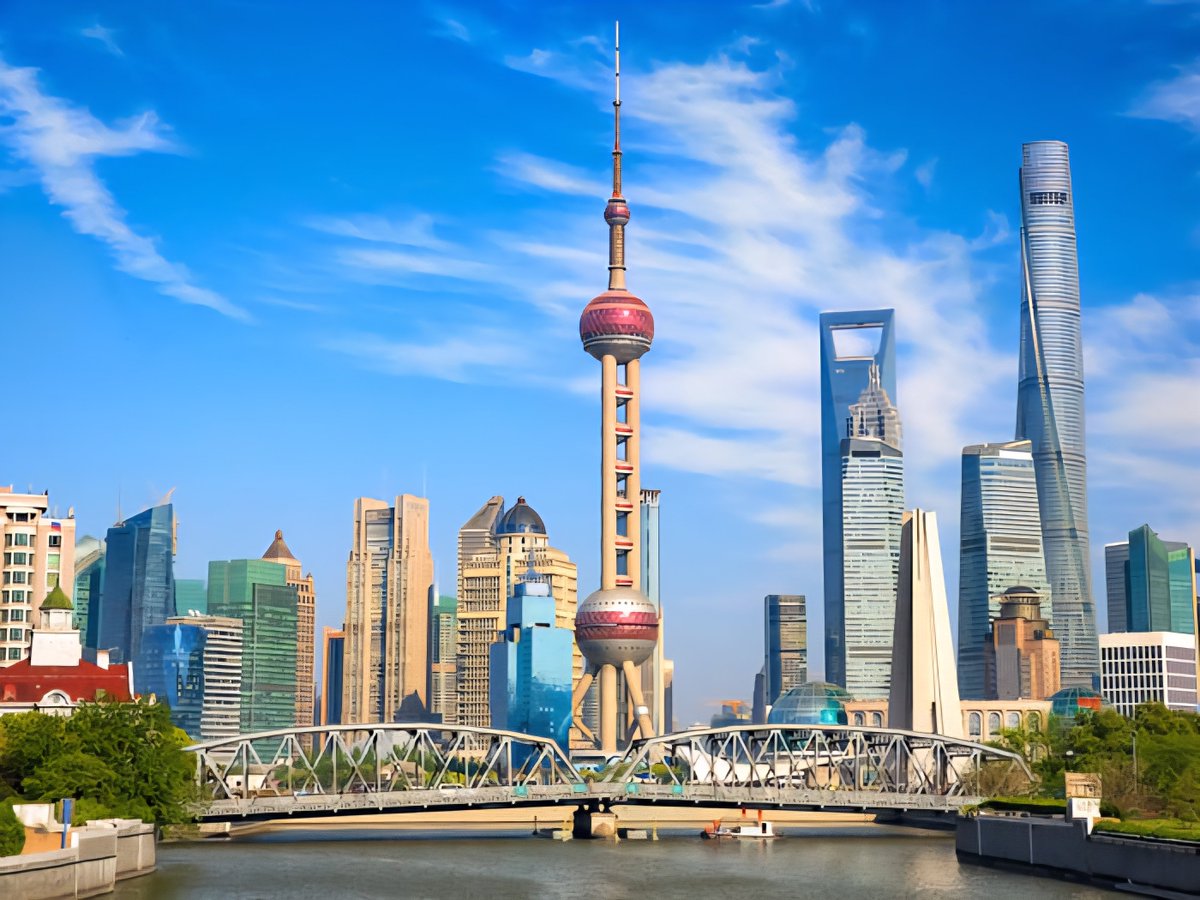
Shanghai and Beijing lead China’s economic surge, collectively contributing over $2.2 trillion in GDP, reflecting the country’s rapid urban expansion.
-
Singapore continues to thrive as a global financial hub, valued at nearly $988 billion.
European and Canadian Economies Hold Their Ground
-
London, the United Kingdom’s financial epicenter, remains prominent with $1.47 trillion, despite geopolitical uncertainties.
-
Toronto and Paris each boast substantial economies, with their diverse industries ranging from finance to technology and manufacturing.
Notable Emerging Markets and Rapid Growth
-
Moscow, Russia, and Jakarta, Indonesia, showcase impressive economic scales, indicating rapid development.
-
Mumbai and Wuhan are emerging as key economic zones within their respective countries, with GDPs over $720 billion now firmly establishing their importance globally.
Noteworthy Highlights
| Rank | City | GDP (USD Trillion) | Key Industries |
|---|---|---|---|
| 1 | Tokyo, Japan | 2.55 | Technology, Finance |
| 2 | New York–Newark, USA | 2.49 | Finance, Media |
| 3 | Los Angeles–Long Beach–Anaheim, USA | 1.62 | Entertainment, Manufacturing |
| 4 | London, UK | 1.47 | Finance, Technology |
| 5 | Seoul, South Korea | 1.42 | Electronics, Automotive |
Largest Economies by Region
-
North America: Anchored by New York, Los Angeles, Chicago, and Washington D.C., the U.S. remains the world’s economic powerhouse.
-
Asia: Cities like Shanghai, Beijing, Seoul, and Singapore reflect Asia’s economic dynamism and growth potential.
-
Europe: London, Paris, and Madrid showcase Europe’s sustained wealth.
-
Emerging Markets: Jakarta, Mumbai, and Bangkok are fast-rising economic centers, hinting at future global shifts.
Global Economic Landscape: A 2025 Perspective
The economic powerhouses of 2025 exhibit a mix of longstanding financial centers and rapidly developing cities. While traditional metropolises like Tokyo and New York still hold dominance, emerging markets such as Jakarta and Mumbai are closing the gap, signaling a more multipolar global economy.
Conclusion
The dominance of Asian cities and the resilience of North American urban centers highlights a dynamic global financial landscape. With constant innovations, infrastructure investments, and economic reforms, these cities are poised to retain or even grow their wealth in the coming years.
As this data continues to evolve, it is clear that the world’s economic epicenters are more geographically diverse than ever, reflecting both technological advancements and shifting market forces in 2025.
Estimated Nominal GDP of Major Metropolitan Areas, data as of November 2025.
Source: CEOWORLD magazine
 ChatGPT
 Perplexity
 Gemini AI
 Grok AI