Select Language:
Top 50 Asian Films That Defined the Decade
Unmissable Classics and Modern Masterpieces
-
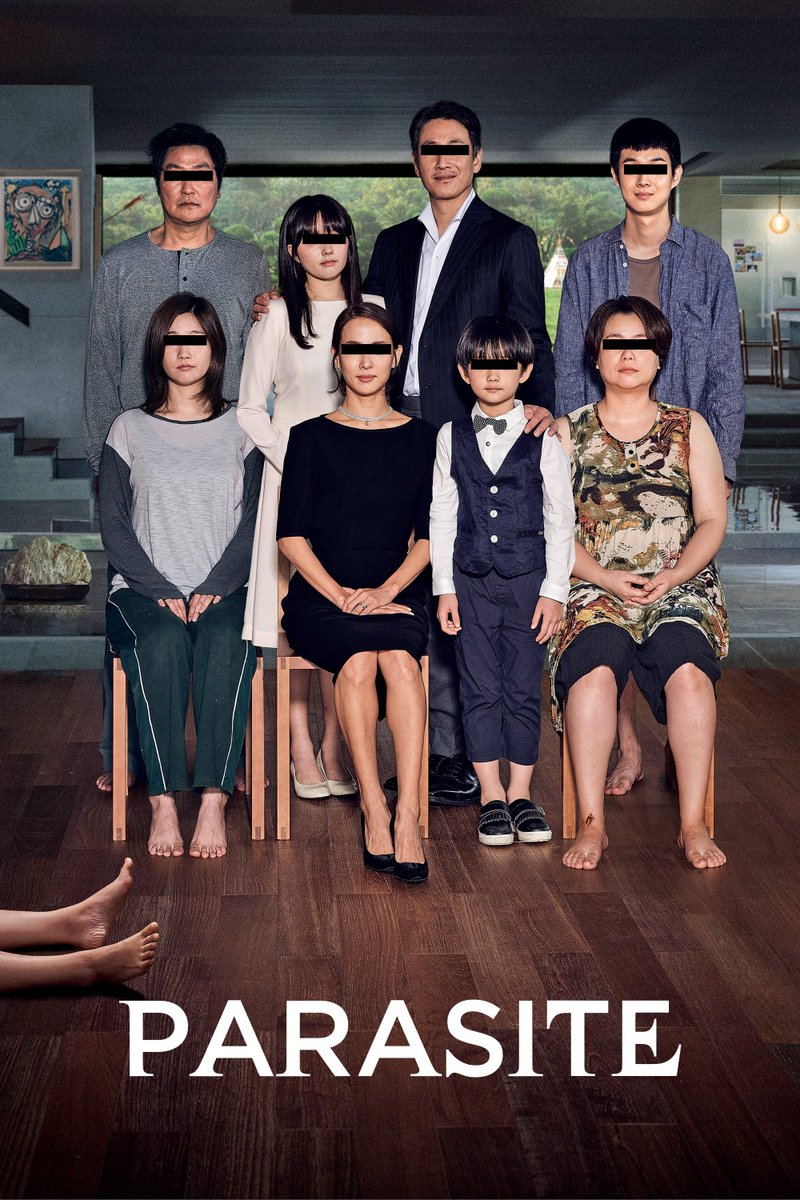
Parasite (2019, South Korea): A groundbreaking social satire, the film made history as the first non-English language film to win Best Picture at the Oscars, captivating audiences worldwide with its sharp commentary on class divide and unexpected storytelling twists.
ADVERTISEMENT -
Seven Samurai (1954, Japan): Akira Kurosawa’s epic tale of honor and heroism remains a blueprint for action cinema, influencing countless films and directors globally for its rich storytelling and dynamic action sequences.
-
Tokyo Story (1953, Japan): Considered one of the greatest films ever, Yasujiro Ozu’s poignant exploration of family dynamics resonates across cultures, emphasizing filial piety and societal change.
-
In the Mood for Love (2000, Hong Kong): Wong Kar-wai’s visually stunning and emotionally subtle film captures longing and restraint, earning a cult following for its poetic depiction of forbidden love.
-
Spirited Away (2001, Japan): This animated masterpiece by Studio Ghibli transports viewers into a enchanted world, blending beautiful artistry with complex themes of identity and growth.
Iconic Films That Shaped Asian Cinema
-
Harakiri (1962, Japan): A searing critique of the samurai code; Kurosawa’s influenced visual storytelling while challenging traditional notions of honor and duty.
-
Pather Panchali (1955, India): Satyajit Ray’s poignant portrayal of rural life in India, recognized globally for its realistic storytelling and poetic visuals, marked the rise of Indian independent cinema.
-
Oldboy (2003, South Korea): This intense revenge thriller redefined what Asian cinema could achieve in genre filmmaking, famous for its twist and brutal storytelling.
-
Yi Yi (2000, Taiwan): A thoughtfully paced portrayal of Taiwanese middle-class life, offering profound insights into family, love, and the pursuit of happiness.
-
Memories of Murder (2003, South Korea): Director Bong Joon-ho’s debut crime thriller is praised for its gripping narrative and social commentary, paving the way for future Korean cinema success.
Historical and Cultural Icons
-
Ran (1985, Japan): Kurosawa’s epic retelling of King Lear set against feudal Japan, known for its breathtaking visuals and complex characters.
-
The Handmaiden (2016, South Korea): A lush and provocative thriller based on British novelist Sarah Waters’ novel, celebrated for its storytelling finesse and stunning visuals.
-
Grave of the Fireflies (1988, Japan): This heart-wrenching animation highlights the horrors of war from a child’s perspective, leaving a lasting emotional impact.
-
Chungking Express (1994, Hong Kong): Wong Kar-wai’s innovative storytelling captures urban loneliness with style and heartfelt emotion.
-
A Separation (2011, Iran): An emotionally charged film that delves into personal and societal issues, earning international acclaim for its honesty and depth.
Groundbreaking Actions and Stories
-
Shoplifters (2018, Japan): Hirokazu Kore-eda’s masterful depiction of a family living on society’s margins explores love and societal perception.
-
Princess Mononoke (1997, Japan): Studio Ghibli’s ecological epic combines fantasy with environmental activism, inspiring viewers globally.
-
Farewell My Concubine (1993, China): A poignant exploration of Chinese opera and history, revealing complex personal and political narratives.
-
Mother (2009, South Korea): A gripping tale of maternal devotion mixed with a murder mystery, showcasing Bong Joon-ho’s storytelling prowess.
-
Battle Royale (2000, Japan): Notorious for its dystopian violence, the film became a cult classic impacting the genre of survival films.
Martial Arts to Modern Action Classics
-
The Raid: Redemption (2011, Indonesia): An adrenaline-pumping martial arts film that set new standards for action choreography.
-
Hero (2002, China): Jet Li’s visually stunning martial arts film features spectacular fight sequences and a compelling narrative about power and sacrifice.
-
Crouching Tiger, Hidden Dragon (2000, China): Ang Lee’s wuxia film captivated audiences with its elegant fight scenes and poetic storytelling.
-
Train to Busan (2016, South Korea): A tense zombie thriller set on a moving train, combining thrilling action with emotional depth.
-
Burning (2018, South Korea): An enigmatic and slow-burn psychological mystery, hailed globally for its layered storytelling.
Digital Masterpieces and Cultural Highlights
-
Perfect Blue (1997, Japan): A psychological thriller that explores identity and obsession, influencing Western horror and anime.
-
Lagaan (2001, India): An inspiring sports drama set against colonial Indian history, blending music, culture, and resilience.
-
Andhadhun (2018, India): A dark comedy fueled by clever twists, showcasing contemporary Indian filmmaking at its best.
-
The Killer (1989, Hong Kong): John Woo’s stylish action film that shaped gun-fu cinematography with its intense choreography.
-
Ugetsu (1953, Japan): A haunting ghost story featuring themes of love and regret set amidst a war-torn landscape.
Emerging and Influential Films in Recent Years
-
Ip Man (2008, Hong Kong): A martial arts saga based on the legendary Wing Chun master, inspiring multiple sequels and global admiration.
-
House of Flying Daggers (2004, China): A romantic wuxia film renowned for its poetic visuals and romantic action sequences.
-
Rashomon (1950, Japan): Kurosawa’s groundbreaking film introduced the narrative technique of multiple perspectives, influencing cinema worldwide.
-
My Neighbor Totoro (1988, Japan): Studio Ghibli’s beloved animated fantasy continues to enchant audiences of all ages.
-
Dangal (2016, India): A sports biopic highlighting gender equality and perseverance, one of India’s highest-grossing films.
Contemporary Artistic and Political Films
-
Infernal Affairs (2002, Hong Kong): A tense crime thriller that inspired Hollywood’s “The Departed,” exploring themes of deception and morality.
-
Spring, Summer, Fall, Winter… and Spring (2003, South Korea): A meditative exploration of life’s cycles, spirituality, and personal growth.
-
Ong-Bak: Muay Thai Warrior (2003, Thailand): Famous for its authentic martial arts sequences and raw energy, revitalizing Thai cinema.
-
The Lunchbox (2013, India): A tender story of connection through food, capturing urban loneliness with poignancy.
-
Devdas (2002, India): An opulent adaptation of famous Indian literature, known for its stunning visuals and tragic romance.
Cinematic Evolution and Impact
-
3 Idiots (2009, India): A thought-provoking comedy-drama about education and pursuing dreams, resonating with youth nationwide.
-
PK (2014, India): A satirical take on religion and society, blending comedy with sharp social critique.
-
Your Name (Kimi no Na wa, 2016, Japan): This animated romantic fantasy achieved global success, celebrated for its beautiful animation and emotional storytelling.
-
Sholay (1975, India): An iconic Bollywood classic blending action, comedy, and friendship, still influential today.
-
Red Cliff (2008, China): An epic historical war saga showcasing strategic brilliance and grand visuals.
Reflections and Future of Asian Cinema
-
The Twilight Samurai (2002, Japan): A quiet yet powerful portrayal of a samurai balancing duty and family.
-
Masaan (2015, India): An evocative story of loss and hope set within India’s social landscape, earning international praise.
-
Police Story (1985, Hong Kong): Jackie Chan’s action-comedy classic that set a new standard in martial arts filmmaking.
-
Still Walking (2008, Japan): A subtle examination of family relationships and memory, distinguished by its realism.
-
A Better Tomorrow (1986, Hong Kong): A defining action classic that helped shape the Hong Kong crime genre.
Note: These films represent a curated selection based on thorough viewing, cultural impact, and artistic influence, reflecting the diverse and dynamic landscape of Asian cinema as of 2025.
 ChatGPT
 Perplexity
 Gemini AI
 Grok AI