Select Language:
50 Most Influential Military Units Throughout History
1. Roman Legions: The Backbone of Ancient Warfare
The Roman legions set the standard for organized military discipline and tactical innovation. Comprising highly trained soldiers equipped with gladius swords and large shields, these units conquered vast territories from Britain to the Middle East. Their engineering prowess and formations like the testudo made them nearly unstoppable in the ancient world.
2. Ottoman Janissaries: Elite Infantry of the Ottoman Empire
Established in the 14th century, the Janissaries were the empire’s shock troops, known for their discipline, advanced weaponry, and loyalty. They played pivotal roles in expanding Ottoman territories and were instrumental in major battles such as Constantinople’s conquest in 1453.
3. Mongol Heavy Cavalry: The Horsemasters of Conquest
Facilitated by exceptional horsemanship and archery skills, the Mongol heavy cavalry conquered Eurasia during the 13th century. Their rapid, mobile warfare tactics overwhelmed larger armies, transforming medieval combat strategies.
4. Spanish Tercios: Masters of the Renaissance Battlefield
The Spanish tercios combined pikemen, swordsmen, and arquebusiers into formidable fighting units in the 16th and 17th centuries. They are credited with revolutionizing infantry tactics and safeguarding Spain’s empire through battles like the Battle of Pavia.
5. Japanese Samurai: Feudal Warriors and Ethos
The samurai embodied discipline, martial arts mastery, and a strict code of honor—bushido. Their weaponry and armor influenced warfare throughout feudal Japan and continue to symbolize martial discipline.
6. U.S. Navy SEALs: Modern Special Forces Powerhouse
Established during WWII, Navy SEALs are renowned for their clandestine operations, counter-terrorism, and hostage rescue missions. Their high-risk tasks have shaped modern special operations and strategic military interventions.
7. Spartan Hoplites: The Stoic Warriors of Ancient Greece
Famous for their resilience and combat prowess, Spartan hoplites fought as a cohesive phalanx in the rugged terrains of Greece. Their training and discipline made them legendary in the Battle of Thermopylae.
8. British SAS: Pioneers of Special Warfare
Formed during WWII, the SAS developed covert tactics, sabotage, and reconnaissance methods. Their daring missions contributed significantly to Allied victories across North Africa, Europe, and beyond.
9. Mongol Horse Archers: Masters of Mobility
Similar to their heavy cavalry counterparts, Mongol horse archers excelled in hit-and-run tactics. Their skill in shooting while riding at full gallop rendered enemy formations vulnerable.
10. Praetorian Guard: Roman Imperial Enforcers
Initially serving as Emperor’s bodyguards, the Praetorians wielded influence in politics and military affairs of ancient Rome. Their loyalty was famously tested during political upheavals.
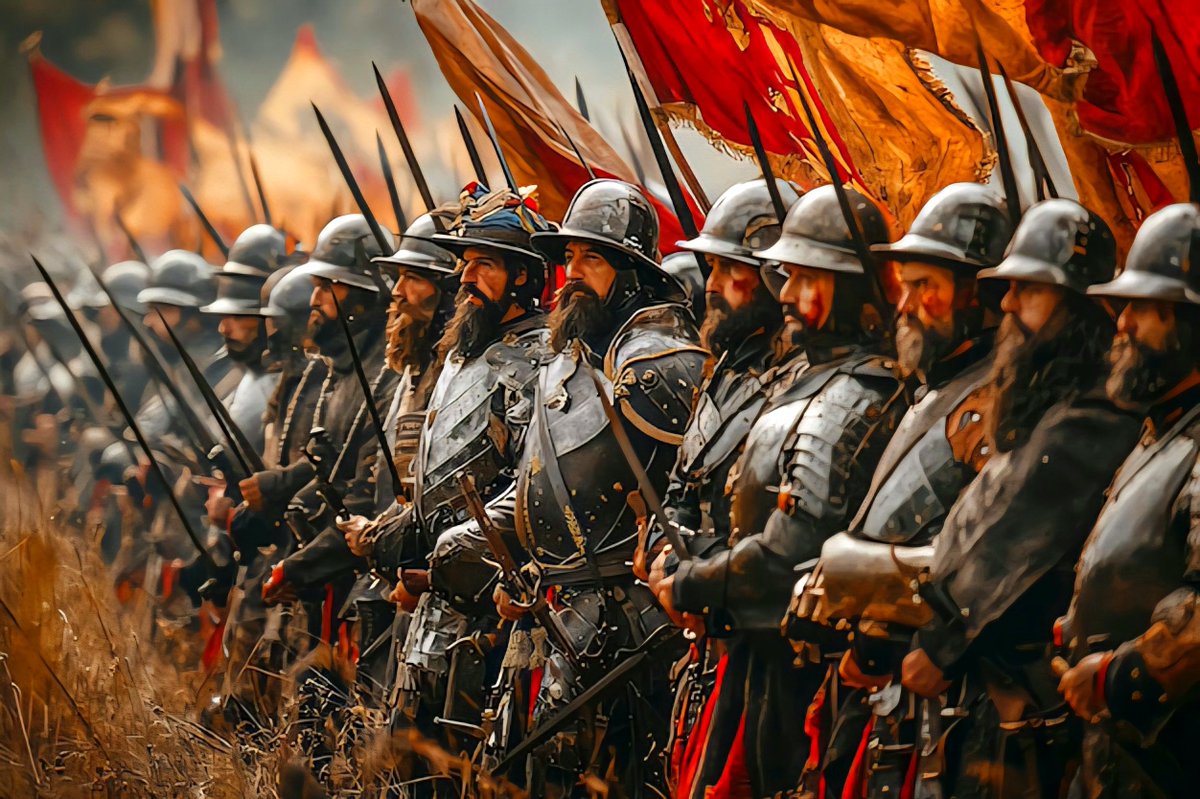
[Image: An iconic representation of military history, showcasing the evolution of warrior hierarchy and technology]
11. Varangian Guard: The Byzantine’s Loyal Enforcers
Comprised primarily of Norse and Scandinavian warriors, the Varangian Guard served as elite mercenaries and bodyguards for Byzantine emperors, known for their fierce loyalty and combat prowess.
12. French Foreign Legion: International Elite
Founded in 1831, the Legion attracts recruits worldwide, training them in rigorous combat disciplines. They’ve played roles in conflicts from Algeria to Mali and are celebrated for their resilience.
13. Zulu Impi: Central American Shock Troops
Under Shaka Zulu, these highly disciplined warriors combined innovative tactics and weapons like the assegai spear and bullhorn formation to dominate regional conflicts during the 19th century.
14. Gurkhas: Fearsome Nepalese Soldiers
Renowned for their bravery and distinct kukri knives, Gurkhas have served in the British Army since the early 19th century, fighting in both world wars and modern conflicts.
15. Knights Templar: Medieval Crusading Orders
A legendary Christian military order, the Templars were known for their martial skills during the Crusades and their enduring influence on Western military traditions.
16. Swiss Pikemen: The Renaissance’s Defensive Wall
Swiss pike units became an unstoppable force during the 15th and 16th centuries, defending European territories and pioneering the use of tightly packed infantry formations.
17. Egyptian Chariot Corps: Ancient Warfare Pioneers
These swift, tactical units played crucial roles in pharaohs’ armies, turning the tide of battles with their mobility and shock value.
18. Viking Raiders: Seafaring Warriors
Famous for their raiding and exploration, Vikings utilized swift ships and agile combat tactics to strike across Europe from the 8th to 11th centuries.
19. Ninja Clans (Shinobi): Japan’s Espionage Experts
Masters of stealth, deception, and unconventional warfare, ninja clans operated covertly during feudal Japan, influencing espionage tactics still studied today.
20. Roman Auxilia: Non-Citizen Legionaries
Complementing the legions, auxiliary troops provided specialized skills and fought in diverse terrains, expanding Roman military reach.
The list continues with units such as the Macedonian Phalanx, U.S. Apache Scouts, Indian Sikh Khalsa, Ottoman Sipahi, Byzantine Cataphracts, U.S. Marines, Soviet Spetsnaz, Japanese Warrior Monks, British Redcoats, Maori Warriors, Persian Immortals, Assyrian Charioteers, Carthaginian War Elephants, German Panzer Divisions, Napoleonic Old Guard, WW2 Gurkha Rifles, Israeli Sayeret Matkal, Berber Cavalry, Moroccan Black Guard, Cossack Cavalry, Korean Hwarang, Roman Equites, Swiss Guards, Greek Peltasts, Tibetan Khampa Warriors, Rajput Warriors, Polish Winged Hussars, U.S. 101st Airborne, WWII British Commandos, and Finnish Ski Troops.
Note: The flags are illustrative of regions associated with these units historically. Many units predate modern national boundaries.
Sources:
Compiled from the Military History Archives, Global Conflict Studies, and reputable historical references.
This list is for informational purposes; rankings are not implied.
 ChatGPT
 Perplexity
 Gemini AI
 Grok AI