
Select Language:
50 Most Influential Military Units in History (2025 Edition)
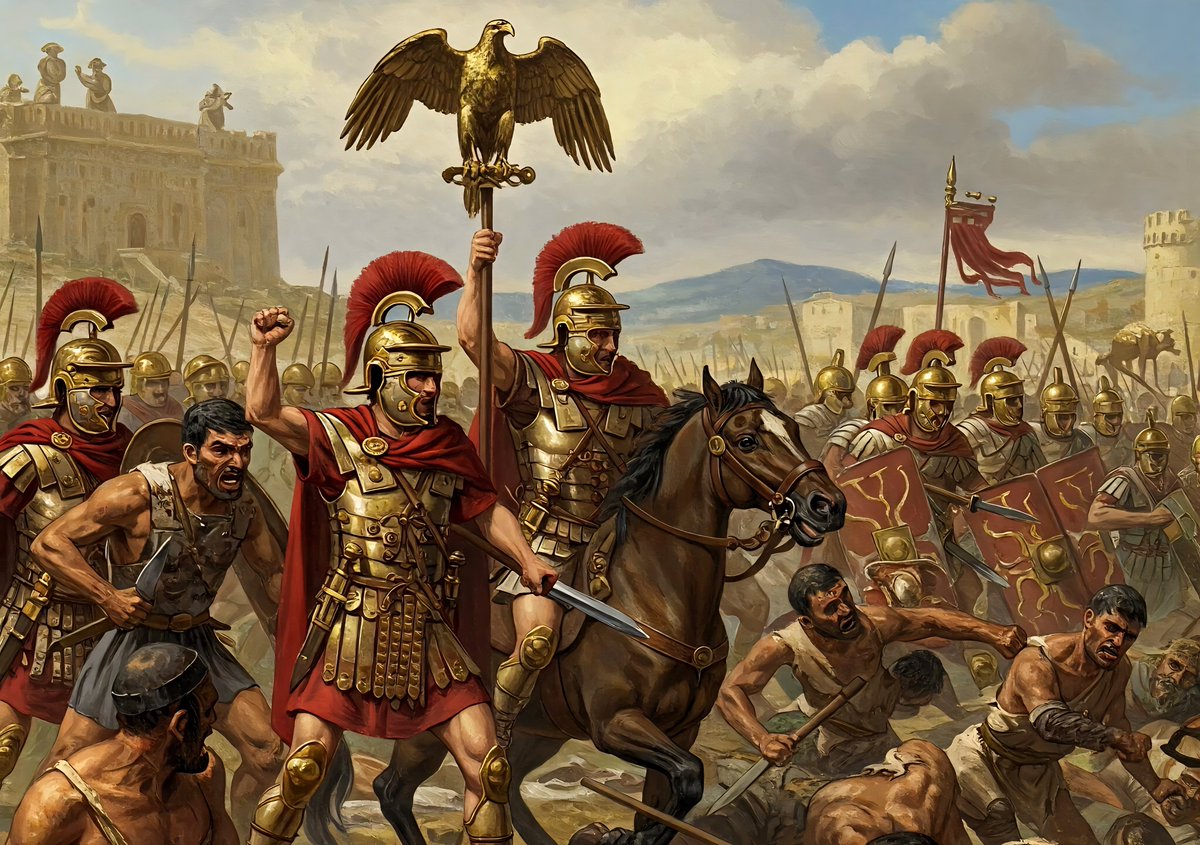
The Legendary Roman Legions
The Roman Legions stand as one of the most iconic military formations in history. Known for their discipline, innovative tactics, and extensive organization, these soldiers laid the foundation for modern armies. Their ability to adapt and conquer vast territories helped secure the Roman Empire’s dominance for centuries. Their influence persists today in military strategy and discipline standards.
The Fearless Ottoman Janissaries
Established in the 14th century, the Ottoman Janissaries were elite infantry units revered for their discipline and combat prowess. Having undergone rigorous training, they served as the empire’s backbone for centuries. Their loyalty and innovation contributed significantly to Ottoman military successes across Europe, Asia, and Africa.
The Mighty Mongol Heavy Cavalry
Led by Genghis Khan, the Mongol heavy cavalry revolutionized warfare in the 13th century. Their superior mobility, tactical flexibility, and terrifying speed made them unstoppable across vast Eurasian steppes. The Mongol cavalry’s strategies shaped future armies and set new standards in mounted warfare.
The Formidable Spanish Tercios
During the 16th and 17th centuries, the Spanish Tercios became legendary for their combined arms tactics, blending pikemen, swordsmen, and arquebusiers into a lethal formation. Their resilience in battles like Pavia and their innovative tactics made them the dominant force in Europe during their peak.
Japan’s Samurai Warriors
The samurai were the noble warriors of feudal Japan, embodying discipline, martial mastery, and honor. Their code of Bushido influenced Japanese culture and military traditions for centuries. Their distinct armor, weapons, and combat skills have left an indelible mark on world history.
The Elite US Navy SEALs
Since their establishment in 1962, Navy SEALs have become synonymous with precision, adaptability, and extreme resilience. Engaged in covert operations worldwide, their skills in jungle, sea, and urban warfare have set the standard for special forces globally.
Spartan Hoplites: Greece’s Warrior Elite
The Spartan soldiers, or Hoplites, epitomize discipline and resilience. Trained from a young age, their phalanx formation was nearly invincible during battles like Thermopylae. Their martial ethos and tactics influenced Greek warfare for generations.
The British SAS: Pioneers of Special Warfare
Founded during World War II, the SAS pioneered modern special operations. Their daring missions, sabotage operations, and intelligence gathering solidified their reputation as one of the world’s premier fighting units.
Mongol Horse Archers: Masters of Mobility
Mongol horse archers combined speed, precision, and tactical acumen to harass enemies from a distance. Their hit-and-run tactics overwhelmed larger armies and shaped warfare across Eurasia.
The Roman Praetorian Guard
Serving as imperial protectors, the Praetorian Guard was tasked with safeguarding Roman emperors. Their influence in politics and military affairs made them a powerful, if sometimes controversial, force in Roman history.
The Varangian Guard of Byzantium
This elite unit composed mainly of Vikings served as the personal bodyguard of Byzantine emperors. Their fierce loyalty and martial skills helped stabilize the empire during turbulent times.
The French Foreign Legion
Established in 1831, the Legion is renowned for its diverse recruits and tough training, serving France’s interests worldwide. Their esprit de corps and resilience guarantee their legacy as one of history’s most storied military units.
Zulu Impi: South Africa’s Guerrilla Fighters
Led by Shaka Zulu, the Impi employed innovative tactics and formidable discipline. Their courage during confrontations like the Battle of Isandlwana cemented their place in military history.
Gurkhas: Nepalese Warriors
Renowned for bravery and combat skills, Gurkha soldiers have been a part of the British Army since the 19th century. Their reputation for fearlessness in high-altitude warfare is legendary.
Knights Templar: Warrior Monks of the Crusades
The Templars combined religious zeal with elite combat skills. Their role in the Crusades, fortified castles, and legendary martial prowess continue to fascinate historians.
Swiss Pikemen: Europe’s Defensive Pillar
During the late Middle Ages and Renaissance, Swiss pikemen formed formidable defensive alliances and played pivotal roles in European battles. Their disciplined phalanx was nearly unstoppable.
Egyptian Chariot Corps
Ancient Egyptian charioteers revolutionized warfare during the New Kingdom. Their mobility and firepower helped secure Egypt’s empire in Africa and the Near East.
Viking Raiders: Fearsome Seafarers
Vikings from Scandinavia terrorized and traded across Europe during the 8th-11th centuries. Their raiding ships and brutal combat tactics made them a legendary force.
Japanese Shinobi (Ninja Clans)
Specialized in espionage, sabotage, and guerrilla warfare, ninjas were vital covert agents in feudal Japan. Their clandestine skills have captured the world’s imagination.
Roman Auxilia: The Auxiliary Troops
Complementing Roman legions, Auxilia were non-citizen troops skilled in various combat roles, expanding Rome’s military reach and expertise across diverse terrains.
Macedonian Phalanx
Under Philip II and Alexander the Great, the Macedonian phalanx used advanced tactics and tight formations to conquer vast regions, laying the groundwork for Hellenistic military dominance.
Apache Scouts: Guardians of the Southwest
Native American Apache scouts provided crucial intelligence to U.S. military campaigns in the 19th and early 20th centuries. Their guerrilla tactics and knowledge of terrain proved invaluable.
Sikh Khalsa: Warriors of Courage
Sikh soldiers are renowned for their martial tradition and bravery. Their disciplined, fearless approach was evident during the Sikh Wars and beyond.
Ottoman Sipahi: Cavalry as Kingdom Builders
Light cavalry units that played essential roles in Ottoman conquests from the 14th to 17th centuries, known for agility and mounted combat.
Byzantine Cataphracts: Armored Cavalry
Elite heavily armored cavalry ensuring the Byzantines’ defensive strength. Their flexibility and resilience kept the empire afloat during challenging times.
US Marines: The Marine Corps’ Rough Warriors
Trained for expeditionary warfare, Marines have been at the forefront of U.S. military interventions worldwide, exemplifying adaptability and tenacity.
Soviet Spetsnaz: Russia’s Special Forces
Known for their intense training and covert operations, Spetsnaz units have been central to Russian national security for decades.
Japanese Sohei Warrior Monks
Medieval monks who fought fiercely to defend their temples, combining spiritual authority with martial skill.
British Redcoats: Colonial and Imperial Soldiers
The backbone of Britain’s armies during colonial expansion, their discipline and organization influenced global warfare strategies.
Maori Warriors of New Zealand
Famous for their fierce combat techniques and warrior culture, Maori fighters played a significant role in New Zealand’s defense history.
Persian Immortal Guard
Elite troops who served as Persia’s standing army and royal guard, renowned for discipline and combat skill.
Assyrian Charioteers
Early military innovators, Assyrian chariot units played a crucial role in expanding and maintaining empire control in Mesopotamia.
Carthaginian War Elephants
Used during the Punic Wars, these massive beasts instilled fear and provided a strategic advantage against opponents.
German Panzer Divisions
World War II’s armored divisions exemplified mechanized warfare, turning the tide on many battlefield fronts.
Napoleonic Old Guard
Napoleon’s elite veterans and shock troops that epitomized discipline, experience, and leadership during European conflicts.
WW2 Gurkhas
Terrifying in combat, Gurkha soldiers served valiantly alongside Allied forces, especially in Asian campaigns.
Israeli Sayeret Matkal
Special forces known for counterterrorism, reconnaissance, and hostage rescue, maintaining Israel’s security interests.
Moroccan Berber Cavalry
Renowned for their agility and desert combat skills, Berber cavalry played pivotal roles in North Africa and beyond.
Moroccan Black Guard
Elite palace guards and military units historically tasked with protecting Moroccan royalty.
Cossack Cavalry
Famous for their horsemanship and fierce independence, Cossacks played crucial roles in Russian military history.
Korean Hwarang
Elite young warriors of ancient Korea, trained in martial arts and leadership, shaping Korea’s martial traditions.
Roman Equites
The equestrian class serving both as cavalry and high-ranking officials, vital in Roman military and political life.
Swiss Guard (Historical)
The Vatican’s legendary security force, known for their loyalty and distinct uniforms, guarding centuries-old traditions.
Greek Peltasts
Light infantry armed with javelins, effective at skirmishing and reconnaissance during Greek warfare.
Tibetan Khampa Warriors
Mountaineers skilled in guerrilla tactics, defending Tibet’s borders and fighting against invading forces.
Indian Rajput Warriors
Famous for their chivalry and martial skills, Rajputs fought fiercely in India’s medieval battles and beyond.
Polish Winged Hussars
Cavalry units renowned for their wedge formation and devastating charges, pivotal in European warfare from the 16th to 18th centuries.
U.S. 101st Airborne
Airborne infantry known for their bravery during WWII and subsequent conflicts, specialists in parachute assaults.
British Commandos (WWII)
Specialist units that pioneered modern special operations tactics, conducting daring raids and sabotage missions during WWII.
Finnish Ski Troops
Resilient fighters specialized in winter warfare and guerrilla tactics in Finland’s harsh climate.
Note: Flags displayed are for modern reference, and these units’ histories predate current nation-states. This list is not ranked and only highlights some of history’s most influential military formations.
Sources: Military History Archives, Global Conflict Studies, and other authoritative references.
 ChatGPT
 Perplexity
 Gemini AI
 Grok AI