Select Language:
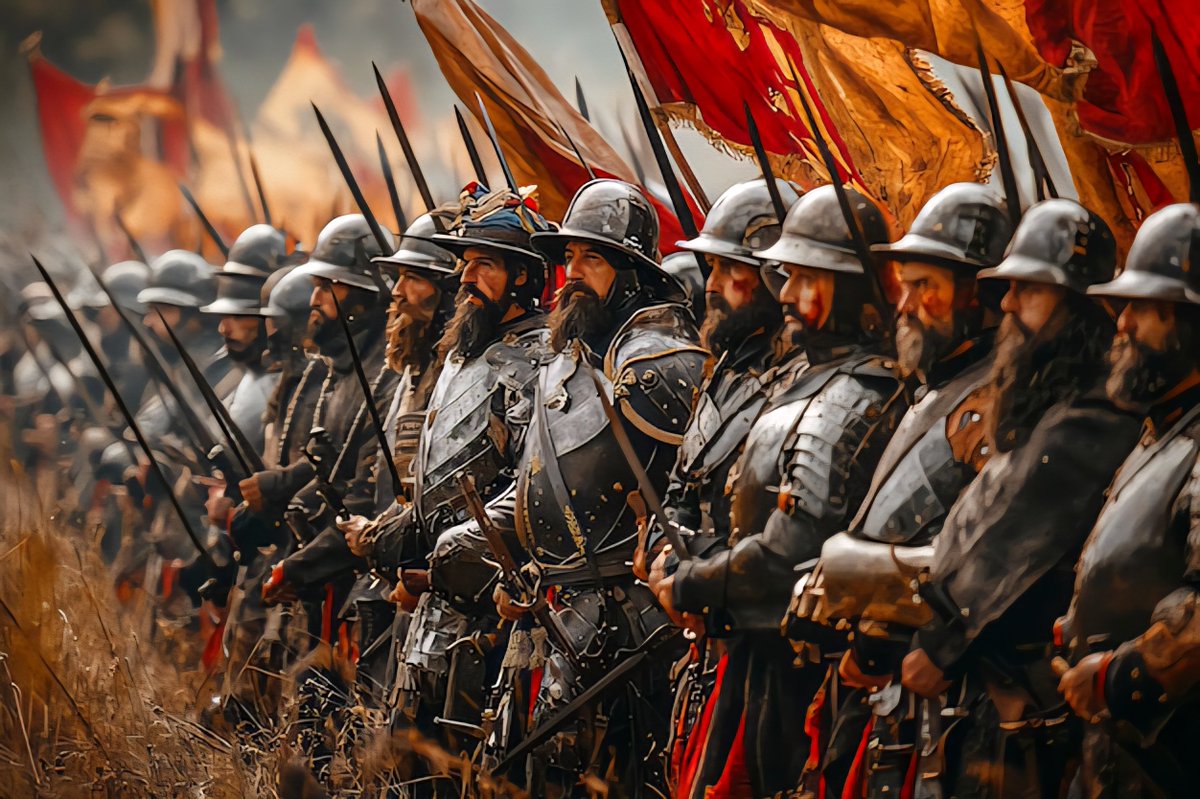
50 Most Influential Military Units Throughout History
1. Roman Legions
The backbone of the Roman Empire’s military might, the Roman Legions set the standard for organized, disciplined warfare. Their innovative tactics, flexible formations, and rigorous training allowed Rome to dominate vast territories across Europe, Africa, and Asia for centuries.
2. Ottoman Janissaries
Established in the 14th century, the Janissaries were an elite infantry force of the Ottoman Empire. Renowned for their discipline, advanced weaponry, and influence over Ottoman politics, they played a critical role in expanding and maintaining Ottoman dominance.
3. Mongol Heavy Cavalry
Under Genghis Khan’s leadership, the Mongol cavalry revolutionized warfare in the 13th century. Their swift, mobile tactics and expert horse archery enabled them to conquer vast Eurasian territories and establish one of history’s largest empires.
4. Spanish Tercios
During the 16th and 17th centuries, the Spanish Tercio was a formidable mixed infantry unit that combined pikemen, musketeers, and swordsmen. Their coordinated fighting style revolutionized European warfare and influenced military tactics for generations.
5. Samurai
Feudal Japan’s legendary warriors, the Samurai were distinguished by their martial prowess, code of honor—Bushido—and mastery of swordsmanship. Their influence extended beyond warfare to Japanese culture and philosophy.
6. U.S. Navy SEALs
Established in 1962, Navy SEALs are renowned for their versatility in unconventional warfare, counterterrorism, and reconnaissance missions. Their rigorous training and adaptability have made them a formidable force in modern military operations.
7. Spartan Hoplites
Ancient Greece’s iconic warriors, Spartan Hoplites epitomized discipline and teamwork. Their formidable phalanx formation allowed them to defend Sparta’s territory and influence Greek warfare strategies profoundly.
8. British SAS
Formed during World War II, the Special Air Service (SAS) set standards for special forces worldwide, specializing in covert operations, sabotage, and reconnaissance across hostile territories.
9. Mongol Horse Archers
Complementing the heavy cavalry, Mongol horse archers utilized rapid, hit-and-run tactics, making their armies highly mobile and difficult to defeat, significantly contributing to the Mongol Empire’s success.
10. Praetorian Guard
Ancient Rome’s elite imperial bodyguard, the Praetorian Guard, held significant political influence and protected Roman emperors, shaping the empire’s political landscape for centuries.
11. Varangian Guard
Made up of Norse warriors, the Varangian Guard served as the personal bodyguards of Byzantine emperors, known for their loyalty and fierce combat skills during the Byzantine Empire’s waning days.
12. French Foreign Legion
Founded in 1831, the French Foreign Legion is a unique multinational military force renowned for its rigorous discipline, diverse personnel, and history of serving France’s overseas interests.
13. Zulu Impi
Under Shaka Zulu, the Zulu Impi was an innovative and highly disciplined military formation that defeated larger British and Boer forces during the late 19th century.
14. Gurkhas
Nepalese soldiers famed for their bravery, Gurkhas have served in the British Army since the 19th century. Their distinctive kukri knives and fearless combat style are legendary.
15. Knights Templar
Medieval Christian military order, the Knights Templar combined religious devotion with formidable combat skills, playing a significant role during the Crusades.
16. Swiss Pikemen
The Swiss infantry’s formidable pike formations, especially during the Renaissance, established Swiss mercenaries as some of the most sought-after soldiers throughout Europe.
17. Egyptian Chariot Corps
Ancient Egypt’s chariot warriors revolutionized warfare, providing rapid mobility and firepower, and dominating neighboring regions for centuries.
18. Viking Raiders
Fearsome Norse warriors from Scandinavia, Vikings are renowned for their raiding, shipbuilding, and combat prowess during the Viking Age, influencing Northern European history.
19. Shinobi (Ninja Clans)
Feudal Japan’s covert operatives, Ninja specialized in espionage, sabotage, and guerrilla warfare, becoming legendary figures in Japanese folklore.
20. Roman Auxilia
Non-citizen allied troops of the Roman Empire, Auxilia provided additional strength, expertise, and flexibility to Roman armies across various campaigns.
21. Macedonian Phalanx
Under Alexander the Great, the Macedonian Phalanx utilized tightly packed troops armed with sarissas, creating an unstoppable fighting force that conquered Persia and beyond.
22. Apache Scouts
Native American Apache warriors served as elite scouts and fighters during the Indian Wars and modern U.S. military operations, known for their tracking skills and guerrilla tactics.
23. Sikh Khalsa
Formed in the 17th century, the Khalsa is a martial order within Sikhism, distinguished by their bravery, discipline, and loyalty in defending their faith.
24. Ottoman Sipahi
The Ottoman cavalry corps, Sipahi, were vital in defending the empire’s borders and conducting rapid assaults during Ottoman expansion.
25. Byzantine Cataphracts
Heavy cavalry armored from head to toe, Byzantine cataphracts were instrumental at critical battles, blending Western and Eastern military traditions.
26. U.S. Marines
Known for their versatility, resilience, and combat professionalism, the United States Marine Corps have been a decisive force in every major U.S. conflict since 1775.
27. Russian Spetsnaz
Russia’s elite special forces, Spetsnaz, excel in counterterrorism, reconnaissance, and clandestine operations with a reputation for ruthless efficiency.
28. Japanese Sohei Warrior Monks
Medieval Japan’s warrior monks combined martial arts with religious duties, defending monasteries and engaging in political conflicts.
29. British Redcoats
During the 18th and 19th centuries, the Redcoats symbolized British imperial might and military discipline during colonial campaigns and conflicts like the Napoleonic Wars.
30. Māori Warriors
Indigenous to New Zealand, Māori warriors are renowned for their fierce fighting skills, traditional weaponry, and the art of warfare called Mau Rākau.
31. Persian Immortals
The elite Persian infantry force, the Immortals were known for their discipline, close combat skills, and their crucial role in the Persian Empire’s military campaigns.
32. Assyrian Charioteers
Ancient Assyrian charioteers helped build a formidable empire through their mobility and tactical prowess in warfare on the ancient Near East.
33. Carthaginian War Elephant Corps
Carthage’s use of war elephants, most famously in the Punic Wars against Rome, created a psychological and physical advantage on the battlefield.
34. German Panzer Divisions
During World War II, Nazi Germany’s armored divisions revolutionized warfare with their powerful tanks and mechanized tactics.
35. Napoleonic Old Guard
The formidable Imperial Guard of Napoleon Bonaparte embodied discipline, experience, and resilience, often used as a reserve force for critical battles.
36. WW2 Gurkha Rifles
Gurkhas played a vital role in WWII campaigns, especially in the Burma Theater, earning a reputation for bravery and combat effectiveness.
37. Israeli Sayeret Matkal
Israel’s special reconnaissance unit specializes in counterterrorism, hostage rescue, and intelligence gathering, often operating in high-risk environments.
38. Berber Cavalry
Originating in North Africa, Berber cavalry units have historically been valued for their light, fast-moving tactics and adaptability in desert terrains.
39. Moroccan Black Guard
An elite royal guard with a long history of defending Moroccan sultans and kings, known for their loyalty and combat prowess.
40. Cossack Cavalry
Russian Cossacks became legendary for their horsemanship, rebellious spirit, and role as frontier fighters across Eastern Europe and Asia.
41. Hwarang (Korean Sacred Warriors)
Ancient Korea’s Hwarang cultivated both martial skills and cultural virtues, serving as elite warriors and royal guards.
42. Roman Equites
The Roman cavalry arm, the Equites, played an essential role in reconnaissance and flanking during Roman military campaigns.
43. Swiss Guard (Historic)
The historic Swiss Guard served as Swiss mercenaries, renowned for their discipline and combat ability, protecting European monarchs and popes.
44. Greek Peltasts
Light infantry from ancient Greece, Peltasts specialized in skirmishing, hit-and-run tactics, and ranged combat, often supporting heavier hoplite formations.
45. Tibetan Khampa Warriors
Tibet’s fierce mountain fighters, Khampas fought with agility and resilience, often defending against invading forces in the high Himalayas.
46. Rajput Warriors
Indian warriors known for their valor, chivalry, and mastery of swordsmanship, Rajputs played a key role in medieval Indian warfare.
47. Polish Winged Hussars
World-famous for their shock tactics and distinctive wings, the Polish Winged Hussars contributed significantly to European military history.
48. U.S. 101st Airborne
The “Screaming Eagles,” renowned for their pivotal roles in D-Day and other WWII battles, are an elite airborne infantry unit known for their bravery.
49. British Commandos (WWII)
Special forces created during World War II, British Commandos pioneered modern special operations with daring raids and covert missions.
50. Finnish Ski Troops
During the Winter War and WWII, Finland’s ski troops showcased extraordinary resilience and mobility in snowy terrains against larger adversaries.
Note: The flags represent the regions where these units or their modern descendants are based; some units predate modern borders and are recognized historically.
This list isn’t ranked; the order is for reference only and doesn’t imply one unit’s superiority over another.
Compiled with insights from Military History Archives, Global Conflict Studies, and other reputable sources.
 ChatGPT
 Perplexity
 Gemini AI
 Grok AI