Select Language:
Top 50 Countries by GDP (PPP) in 2025: A Closer Look
China Continues to Lead with Unmatched Economic Power
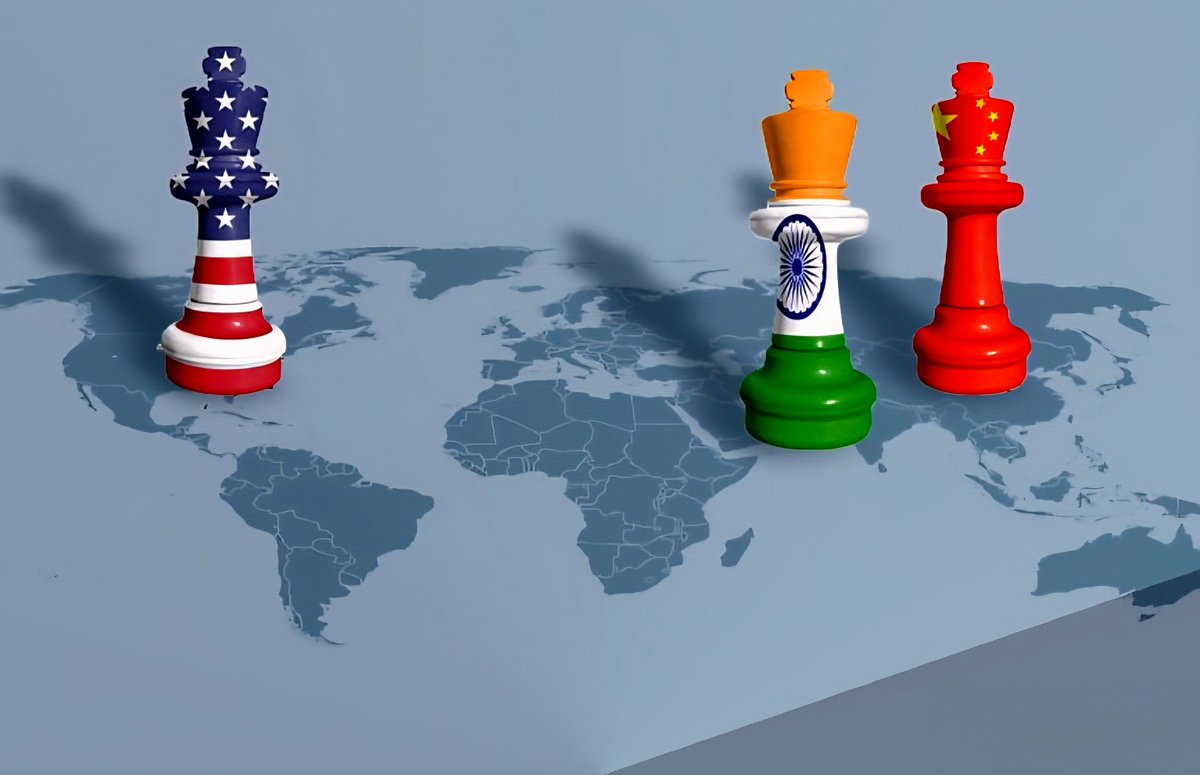
Topping the list once again, China’s economy boasts a staggering GDP (Purchasing Power Parity) of $43.4 trillion. As the world’s most populous country, China’s rapid growth is fueled by its massive manufacturing sector, technological innovation, and expanding consumer market. Despite challenges such as recent geopolitical tensions and internal economic reforms, China maintains its global economic dominance.
The United States Holds Steady in Second Place
The U.S. economy remains resilient with a GDP (PPP) of $31.8 trillion. Although experiencing fluctuations due to evolving trade policies and inflation concerns, the U.S. continues to be the economic powerhouse with significant contributions from technology, finance, and healthcare sectors. Its technological innovations and robust consumer base support its position as the world’s second-largest economy.
India’s Rapid Growth Secures the Third Spot
With a GDP (PPP) of $19.1 trillion, India’s economy has surged forward thanks to advancements in technology, infrastructure development, and a burgeoning middle class. The nation’s focus on digital transformation and manufacturing expansion has propelled its economy into the global top three, making it a rising star on the financial stage.
Russia’s Economy, Despite Sanctions, Remains Significant
Russia’s economy, valued at $7.3 trillion, maintains its position through energy exports, notably oil and natural gas. While sanctions and geopolitical tensions have impacted growth, Russia continues to leverage its natural resources and strategic alliances to sustain its economic standing.
Japan’s Economy Steady Despite Challenges
With a GDP (PPP) of $6.9 trillion, Japan remains an influential economic player. The country’s advanced technology, automobile industry, and innovation in robotics are vital components of its economic strength. Despite demographic challenges, Japan adapts by fostering innovation and maintaining its export-driven economy.
Germany’s Stronghold in Europe
Germany’s economy, worth $6.3 trillion, is the largest in Europe. Its global leadership in automotive, machinery, and chemical industries drives its economic resilience. Germany’s focus on sustainable energy and technological advances continues to support its economic stability.
Indonesia, Brazil, and France Close the Top 10
- Indonesia: A swift-growing economy with a GDP (PPP) of $5.3 trillion, propelled by its rich natural resources, expanding manufacturing, and digital economy.
- Brazil: At $5.1 trillion, Brazil remains South America’s largest economy, demonstrating resilience through agriculture, mining, and energy sectors.
- France: Valued at $4.6 trillion, France sustains its economic strength through luxury goods, aerospace, and technology sectors.
UK and Turkey Making Notable Strides
- United Kingdom: With a GDP (PPP) of $4.5 trillion, the UK continues to be a global financial hub, despite navigating post-Brexit economic adjustments.
- Turkey: Surpassing many of its European counterparts, Turkey’s economy stands at $3.9 trillion, driven by manufacturing, tourism, and a growing tech scene.
Major Economies in Latin America, Asia, and Africa
- Mexico ($3.5 trillion): Positioned as North America’s GDP leader, its manufacturing and export sectors continue to thrive.
- South Korea ($3.4 trillion): An innovation-driven economy, especially in electronics and automotives.
- Vietnam and Bangladesh: Both countries show impressive growth, with Vietnam at $1.8 trillion and Bangladesh closing in at the same figure, reflecting shifting global manufacturing hubs.
- Nigeria ($1.6 trillion): Africa’s largest economy, with oil, agriculture, and services sectors expanding steadily.
Key Middle Eastern Economies
- Saudi Arabia ($2.7 trillion): Diversifying beyond oil, focusing on technology and tourism.
- UAE ($910 billion): Major hub for global trade and finance within the Middle East, with a focus on diversification.
European and Asian Powerhouses
- Netherlands ($1.5 trillion) and Belgium ($900 billion): Key contributors to Europe’s economy, with robust logistics and finance sectors.
- Hong Kong ($590 billion): Continues to be a vital global financial hub despite geopolitical tensions.
This list reflects the shifting landscape of global economic power in 2025, highlighting emerging markets alongside traditional giants. Countries are increasingly leveraging technology, resource management, and innovative policies to enhance their standings on the world stage.
Source: IMF, Figures rounded.
 ChatGPT
 Perplexity
 Gemini AI
 Grok AI